


AI Legaltech: The Ultimate Guide to Firm Transformation
The legal industry stands on the cusp of an unparalleled transformation, with the annual ILTACON conference serving as a perennial barometer for innovation. As we approach this year's gathering, the air is thick with anticipation, particularly following groundbreaking announcements from industry titans like NetDocuments and DISCO. Law.com's recent "Pre-ILTACON Legaltech Rundown" highlighted these pivotal developments, notably NetDocuments' unveiling of new AI tools and DISCO's launch of an agentic e-discovery solution. These aren't mere incremental updates; they signify a profound shift towards intelligent automation and autonomous capabilities that are poised to redefine the very fabric of legal practice. For law firm owners and legal professionals, understanding the implications of this advanced AI legaltech is no longer optional—it's an essential strategic imperative for survival and growth in an increasingly competitive landscape.
This wave of innovation, spearheaded by advancements in generative AI and machine learning, extends far beyond the traditional confines of e-discovery and document management. It's permeating every facet of a law firm's operations, from the initial client intake and sophisticated case management to targeted marketing efforts and 24/7 client support. The tension between adopting these disruptive technologies and clinging to traditional methodologies creates a compelling narrative for the industry. Firms like Allen & Overy, early adopters of AI platforms like Harvey AI, are already demonstrating a clear competitive edge, signaling a future where efficiency, precision, and client responsiveness are powered by intelligent systems. The question is no longer *if* AI will transform legal services, but *how quickly* firms can integrate these powerful tools to unlock unprecedented levels of productivity and client value.
As we delve deeper into this new era of legal innovation, this guide will explore the practical applications, strategic advantages, and critical considerations for law firms embracing AI legaltech. From understanding the nuances of agentic AI to leveraging integrated AI management systems, we aim to provide a comprehensive roadmap for navigating this exciting, yet complex, technological frontier. The goal is not just to keep pace, but to lead, by harnessing the full potential of AI to build a more efficient, profitable, and client-centric legal practice. Discover how these advancements can empower your firm to achieve sustained growth and deliver superior legal outcomes.
The New Frontier: Agentic AI in E-Discovery and Beyond
The recent announcement from DISCO regarding its agentic e-discovery tool marks a significant leap in legal technology. For years, e-discovery has been a bottleneck, demanding immense human effort for document review and analysis. Agentic AI, however, introduces a paradigm shift. Unlike traditional AI that primarily assists with tasks, an agentic system is designed to act autonomously, making decisions, learning from feedback, and even initiating new actions to achieve a defined goal. Andrew Sieja, DISCO's founder, envisioned a future where technology would radically simplify legal work, and this new tool embodies that vision by moving beyond mere predictive coding to a system that can independently strategize and execute complex e-discovery workflows.
Simultaneously, NetDocuments, a stalwart in secure cloud-based document management, has unveiled its own suite of new AI tools. While specifics are often under wraps until major conferences like ILTACON, the industry anticipates enhancements that will further automate document drafting, review, and organization. David Wang, CEO of NetDocuments, has consistently emphasized the importance of secure, intuitive platforms that empower legal professionals. These tools are expected to leverage advanced natural language processing (NLP) and machine learning to offer features like intelligent document classification, automated metadata tagging, and even AI-driven insights into document content, significantly reducing the manual burden on legal teams.
The implications of these advancements are profound for legal professionals. Learn more about AI Website Readability: Essential Strategies for Law Firms. Imagine an e-discovery process where an AI agent can autonomously identify relevant documents, flag privilege issues, and even propose redactions, all while learning from human feedback to refine its accuracy over time. This not only dramatically cuts down on the time and cost associated with large-scale litigation but also frees up highly skilled lawyers to focus on strategic legal analysis rather than rote review. According to a 2024 report by the Thomson Reuters Institute, firms adopting advanced AI tools for e-discovery and document management are reporting up to a 30% reduction in case preparation time, directly translating into higher profitability and improved client satisfaction.
This isn't just about efficiency; it's about accuracy and consistency. Human error, fatigue, and subjective interpretations can plague traditional e-discovery. Agentic AI and sophisticated document management tools offer a level of precision that is difficult for human teams to replicate consistently across vast datasets. The ability of these systems to quickly process and cross-reference millions of documents ensures that critical evidence is not overlooked, and potential liabilities are identified early. This enhanced reliability is a game-changer for risk management and the overall integrity of legal proceedings, providing law firms with a robust competitive advantage in a data-intensive legal landscape.
Optimizing Legal Workflows and Document Automation
Beyond e-discovery, the integration of AI is revolutionizing core legal workflows. Document automation, once a niche feature, is now becoming a sophisticated engine for efficiency. AI-powered platforms can generate complex legal documents—from initial drafts of contracts and pleadings to intricate corporate governance documents—with remarkable speed and accuracy, leveraging pre-approved clauses and firm-specific templates. This capability significantly accelerates the initial stages of legal work, allowing attorneys to spend less time on repetitive drafting and more time on client counseling and strategic planning. A recent ABA TechReport indicated that firms utilizing advanced document automation save an average of 15-20 hours per week on document-related tasks, translating to substantial cost savings and increased capacity.
The impact extends to due diligence and contract review, traditionally arduous tasks. Learn more about AI Legal Management: The Essential Future for Law Firms. AI tools can rapidly analyze vast volumes of contracts, identifying key clauses, anomalies, and potential risks far more quickly than human reviewers. For instance, in an M&A transaction, an AI system can highlight critical change-of-control provisions or indemnification clauses across hundreds of agreements within minutes, dramatically compressing transaction timelines. This isn't about replacing lawyers but augmenting their capabilities, allowing them to focus on the nuanced legal interpretation and negotiation that only human expertise can provide. Firms that embrace these capabilities are not just working smarter; they're fundamentally reshaping their service delivery models, offering faster, more cost-effective, and higher-quality outcomes to their clients.
Transformative Power: AI in Law Firm Management and Client Engagement
The true promise of AI legaltech lies in its ability to integrate across all aspects of law firm management, creating a synergistic ecosystem that drives efficiency, client satisfaction, and profitability. Imagine a comprehensive AI Law Firm Management System that seamlessly handles case management, automates billing cycles, streamlines client intake, and orchestrates document automation, all while providing AI-powered legal workflows that adapt to your firm's unique needs. This integrated approach moves beyond siloed solutions, offering a holistic view of firm operations and client interactions. Firms like Linklaters have invested heavily in developing internal AI capabilities to manage complex international transactions, demonstrating the strategic advantage of a unified platform.
Client intake, often a time-consuming and inconsistent process, is being revitalized by AI. Intelligent intake forms can gather comprehensive client data, identify potential conflicts of interest, and even suggest appropriate legal services based on client needs, all before a lawyer's first engagement. This not only enhances the client experience by providing a swift and professional onboarding process but also ensures that critical information is captured accurately from the outset. Automated billing systems, powered by AI, can track billable hours with greater precision, identify billing anomalies, and even predict revenue trends, offering unprecedented financial clarity to firm leadership. These efficiencies directly impact the bottom line, allowing firms to optimize resource allocation and improve cash flow.
Beyond internal operations, AI is profoundly reshaping how law firms engage with the market and their clients. Learn more about AI Voice Assistant: Essential for Modern Law Firm Growth. An AI Marketing Platform can create compelling video content, automate social media campaigns, generate targeted legal content, and provide sophisticated analytics to track ROI. This allows firms to reach a broader audience, nurture leads more effectively, and understand which marketing efforts yield the best returns. Consider the competitive landscape where firms are vying for attention; an AI-powered platform can ensure your firm's voice is heard, and its expertise is showcased effectively, attracting high-value clients and fostering sustained growth.
Furthermore, the emergence of AI Voice Assistants is revolutionizing client support and lead qualification. These intelligent assistants can provide 24/7 phone answering, qualify leads based on predefined criteria, book appointments directly into calendars, and offer multilingual support, ensuring no potential client is left unattended. This level of responsiveness significantly enhances the client experience, particularly for individuals seeking immediate legal assistance. By routing qualified calls to the appropriate legal professionals, AI voice assistants ensure that attorneys can focus on substantive legal work, while the AI handles the preliminary client interactions, creating a seamless and highly efficient client journey.
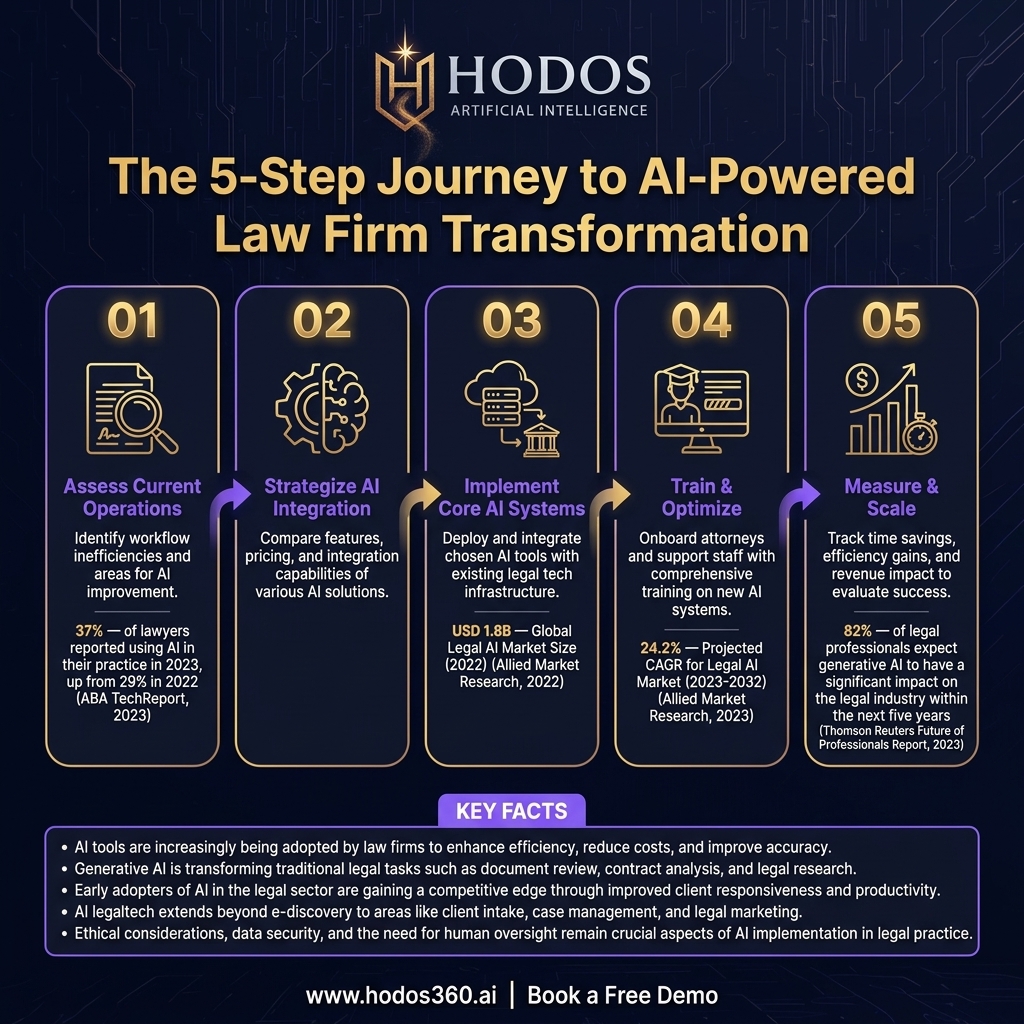
- ✓Enhanced Operational Efficiency: AI automates repetitive tasks across case management, billing, and document handling, freeing up legal professionals for higher-value work.
- ✓Superior Client Experience: From intelligent client intake to 24/7 AI voice assistants, clients receive faster, more consistent, and personalized service.
- ✓Strategic Marketing Advantage: AI-powered marketing platforms enable targeted content creation, social media automation, and precise ROI tracking, boosting client acquisition.
- ✓Improved Financial Performance: Automated billing and predictive analytics provide greater financial clarity, optimize resource allocation, and enhance profitability.
- ✓Data-Driven Decision Making: AI provides insights from operational data, helping firm leadership make informed strategic decisions about growth and resource deployment.
- ✓Reduced Risk and Error: AI minimizes human error in document review, compliance checks, and data entry, ensuring greater accuracy and mitigating potential liabilities.
- ✓Scalability and Growth: Integrated AI systems allow firms to scale operations more easily, handling increased client volume without proportional increases in overhead.
Beyond the Hype: Practical Applications and ROI for Law Firms
While the promise of AI legaltech can sound futuristic, its practical applications are already delivering tangible returns on investment for forward-thinking law firms. The initial skepticism surrounding AI, often fueled by fears of job displacement or exorbitant costs, is giving way to a recognition of its indispensable value. A 2023 McKinsey report on AI adoption in professional services highlighted that early adopters experienced an average of 15-20% improvement in productivity and a 10-15% reduction in operational costs within the first two years. This isn't abstract data; it translates directly into increased partner profits and more competitive service offerings for clients.
Consider the real-world impact on a firm specializing in corporate law. Manually reviewing thousands of contracts for a merger or acquisition could take weeks, involving multiple junior associates. With an AI-powered contract analysis tool, this process can be compressed to days, or even hours, identifying critical clauses, potential risks, and compliance issues with unparalleled speed. As Sarah Jane Hughes, a partner at a leading AmLaw 100 firm, recently stated at LegalTech NYC 2026, "AI isn't just a tool; it's a force multiplier. It allows our junior lawyers to engage in higher-level strategic work from day one, rather than being bogged down in repetitive tasks. Learn more about Law Firm AI: The Ultimate Guide to Proprietary Platforms. This enhances their development and ultimately improves client outcomes." This shift allows firms to allocate human capital to more complex, value-added activities, thereby maximizing the return on their most valuable asset: their legal talent.
Furthermore, the investment in AI legaltech is not just about internal efficiency; it's about gaining a strategic edge in client acquisition and retention. Firms that can offer faster turnarounds, more transparent pricing, and more personalized service due to AI-driven efficiencies are naturally more attractive to clients. The ability to use an AI Marketing Platform to precisely target potential clients with relevant content, measure campaign effectiveness, and adapt strategies in real-time provides a significant competitive advantage. This data-driven approach ensures that marketing spend is optimized, leading to a higher conversion rate for new clients and stronger relationships with existing ones.
For example, a boutique personal injury firm might use AI to analyze historical case data, identify patterns in jury awards, and predict potential settlement ranges more accurately, informing their negotiation strategy. An AI Voice Assistant can handle initial inquiries, gather details about an accident, and schedule a consultation within minutes, ensuring that potential clients receive immediate attention during a stressful time. These aren't just minor improvements; they represent fundamental shifts in how legal services are delivered and perceived, creating a distinct value proposition that resonates deeply with modern clients who expect speed, transparency, and technological sophistication from their legal providers.
The Strategic Advantage of AI-Powered Marketing and Client Acquisition
In today's crowded legal market, effective marketing is paramount, and AI is providing an unprecedented strategic advantage. An AI Marketing Platform moves beyond rudimentary SEO, offering sophisticated tools for content generation, social media automation, and even AI video creation. Imagine generating high-quality blog posts, engaging social media updates, and professional explainer videos with AI assistance, tailored to specific client demographics and legal niches. This dramatically reduces the time and cost associated with content production, allowing firms to maintain a consistent and impactful online presence.
Crucially, these platforms come equipped with robust analytics and ROI tracking capabilities. Learn more about AI Document Automation: An Essential Shift for Law Firms. Firms can precisely measure which campaigns are generating leads, what content resonates most with their target audience, and the direct financial return on their marketing investment. This eliminates guesswork, enabling agile adjustments to marketing strategies and ensuring that every dollar spent is optimized for maximum impact. By leveraging AI to understand market trends and client behavior, firms can anticipate needs, proactively engage with potential clients, and build a powerful brand presence that differentiates them from competitors, ultimately leading to a more robust and sustainable client pipeline.
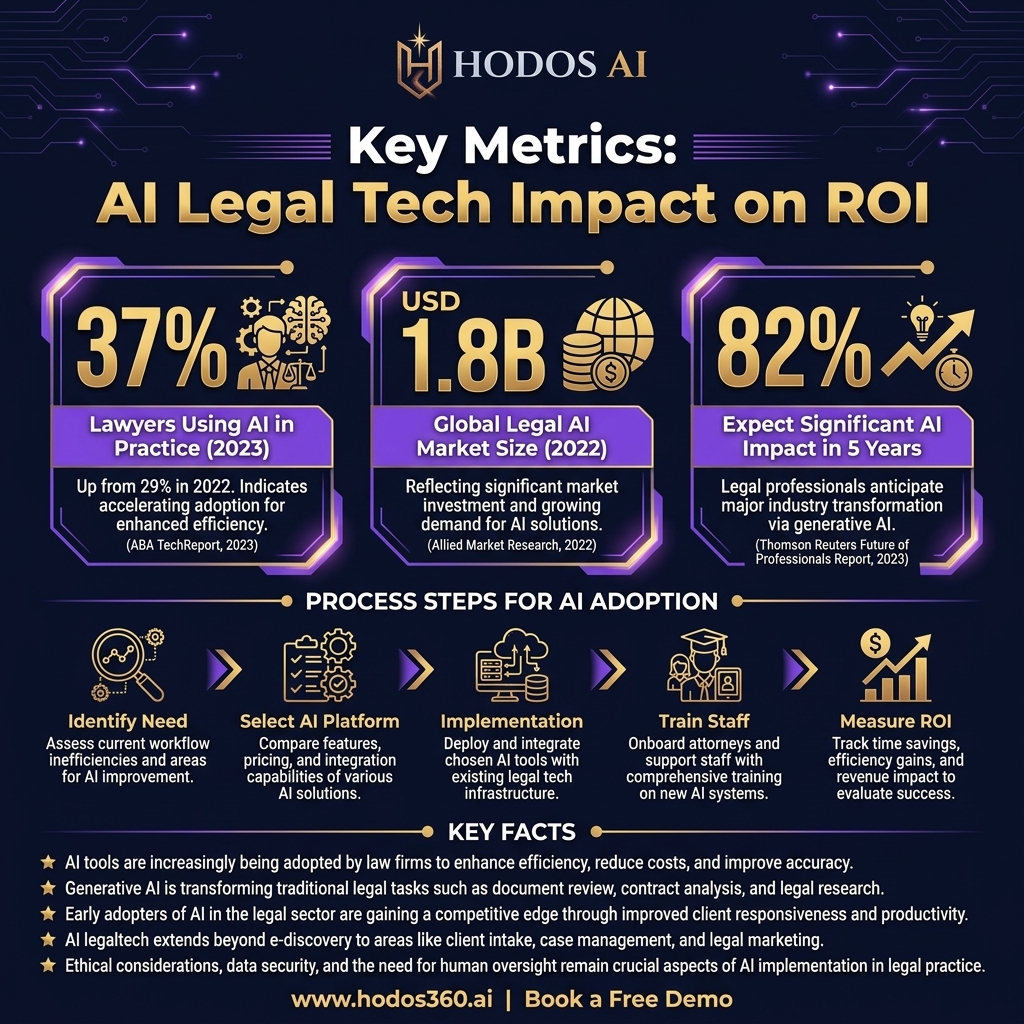
Navigating Ethical AI and Data Security in Legal Practice
The rapid ascent of AI legaltech, while promising immense benefits, also introduces complex ethical considerations and heightened data security challenges that law firms must proactively address. The legal profession is bound by stringent ethical obligations, notably ABA Model Rule 1.1 Competence, which requires lawyers to keep abreast of changes in the law and its practice, including the benefits and risks associated with relevant technology. Similarly, ABA Model Rule 1.6 Confidentiality of Information mandates that lawyers protect client information, making data security paramount when deploying AI systems that process sensitive legal data. The "human conflict" here often lies between the undeniable efficiency gains of AI and the imperative to uphold professional duties, creating a tension that demands careful navigation.
One of the primary concerns revolves around data privacy and security. AI systems, particularly those that utilize cloud-based processing, must adhere to the highest standards of encryption, access control, and compliance with regulations like GDPR and the impending enforcement of the EU AI Act. Firms must ensure that any AI vendor they partner with has robust security protocols in place, conducts regular audits, and can guarantee the segregation and protection of client data. The risk of data breaches, whether through malicious attacks or system vulnerabilities, is magnified when vast amounts of confidential information are processed by external AI platforms, underscoring the need for rigorous due diligence and continuous monitoring.
Ethical AI deployment also necessitates addressing issues of bias and transparency. AI models are trained on historical data, which can inadvertently perpetuate or even amplify existing biases found in that data. Learn more about AI Mistakes: Ultimate Guide to Lawyer Liability & Safeguards. In legal contexts, this could lead to biased outcomes in predictive analytics for case outcomes or even in the drafting of legal documents. Firms must be vigilant in understanding the provenance of their AI tools' training data, implementing mechanisms for bias detection, and ensuring human oversight in critical decision-making processes. As Sam Altman of OpenAI and Dario Amodei of Anthropic have both publicly acknowledged, the responsible development and deployment of AI demand constant vigilance and a commitment to ethical principles.
Furthermore, the question of accountability in the event of an AI error remains a complex legal and ethical puzzle. If an AI system generates a flawed legal brief or misses a critical document in e-discovery, who bears the ultimate responsibility? Lawyers cannot abdicate their professional duties to an algorithm. This mandates that firms implement robust internal review processes, ensure lawyers are adequately trained in the use and limitations of AI tools, and maintain a clear understanding of when and how to rely on AI-generated outputs. The integration of AI requires not just technological adoption but a fundamental recalibration of professional responsibility and oversight within the firm.
Ensuring Responsible AI Deployment and Continuous Oversight
To mitigate the risks associated with AI, law firms must establish comprehensive governance frameworks for its deployment. This includes developing internal policies for AI use, providing mandatory training for all legal professionals on ethical AI practices, and defining clear protocols for data handling and security. Firms should prioritize AI solutions that offer transparent methodologies, explainable AI (XAI) capabilities, and robust audit trails, allowing for human review and intervention when necessary. Continuous oversight is not a one-time task but an ongoing commitment to monitor AI performance, address emergent biases, and adapt to evolving regulatory landscapes.
Moreover, engaging with legal tech providers who prioritize security and ethical design is crucial. Platforms like HODOS 360, built with enterprise-grade security and compliance in mind, offer a foundation for responsible AI adoption. By selecting vendors committed to data protection and ethical AI development, firms can significantly reduce their exposure to risk while still harnessing the transformative power of AI. This proactive approach ensures that AI serves as a powerful enabler for legal practice, rather than a source of ethical or security vulnerabilities.

The Future-Ready Law Firm: Embracing AI for Sustained Growth
The legal profession is experiencing a digital renaissance, and the pre-ILTACON buzz around NetDocuments and DISCO's new AI tools is just a glimpse into a future where technology is inextricably linked to legal success. The narrative of disruption versus tradition is playing out in real-time, with firms that embrace AI legaltech poised to outperform those that hesitate. A 2024 Gartner report predicted that by 2027, generative AI will be embedded in 70% of legal tech solutions, emphasizing that this isn't a temporary trend but a fundamental shift in the industry's operating model. Law firm owners and legal professionals who proactively integrate AI into their strategies will not only enhance their operational efficiency but also redefine their value proposition to clients.
The competitive landscape is becoming increasingly stark. Firms that leverage AI for superior client intake, efficient case management, automated document workflows, and targeted marketing will attract and retain top talent and clients. Conversely, those that cling to outdated manual processes risk falling behind, struggling with rising operational costs, slower service delivery, and a diminishing ability to compete on value. The conflict is clear: adapt or be outmaneuvered. The era of AI legaltech demands a forward-looking mindset, a willingness to invest in innovation, and a commitment to continuous learning.
Embracing AI isn't about replacing the human element of law; it's about elevating it. It’s about empowering lawyers to focus on the intricate legal strategy, the empathetic client counseling, and the complex problem-solving that truly define their profession. AI handles the mundane, the repetitive, and the data-intensive tasks, allowing legal professionals to dedicate their expertise where it matters most. This synergy between human intelligence and artificial intelligence creates a more fulfilling work environment for attorneys and delivers superior, more cost-effective outcomes for clients.
To become a future-ready law firm, the path forward involves strategic adoption of integrated AI solutions. This means exploring platforms that offer comprehensive services, from AI-powered law firm management systems that streamline every aspect of your operations to AI marketing platforms that drive client acquisition, and AI voice assistants that ensure exceptional client engagement. The goal is to build a resilient, agile, and technologically advanced practice that is equipped to thrive in the evolving legal landscape. By making informed decisions today, law firms can secure a competitive advantage and ensure sustained growth for years to come. Ready to explore the next generation of legal tech and transform your practice today?
Frequently Asked Questions
What is 'agentic AI' in legal tech, and how does it differ from traditional AI?+
Agentic AI refers to systems capable of autonomous action, decision-making, and learning to achieve specific goals, rather than merely assisting human users. In legal tech, this means tools like DISCO’s e-discovery solution can independently initiate and execute complex tasks, such as identifying relevant documents or flagging issues, while continually refining its performance based on feedback. Traditional AI typically requires more direct human instruction and oversight for each step.
How can AI Law Firm Management Systems benefit a small or mid-sized firm?+
AI Law Firm Management Systems offer significant benefits for smaller firms by automating time-consuming administrative tasks like case management, billing, client intake, and document generation. This frees up valuable time for attorneys and staff, allowing them to focus on legal work and client service, thereby increasing efficiency, reducing overhead costs, and improving profitability. It levels the playing field against larger firms by providing access to advanced tools previously out of reach.
What are the primary ethical considerations for law firms adopting AI?+
Key ethical considerations include maintaining client confidentiality (ABA Model Rule 1.6), ensuring competence in using technology (ABA Model Rule 1.1), addressing potential biases in AI algorithms, and ensuring human oversight in critical decision-making. Firms must also carefully vet AI vendors for data security, understand the limitations of AI tools, and establish clear accountability for AI-generated outputs to uphold professional responsibilities.
Can AI help law firms with their marketing efforts and client acquisition?+
Absolutely. AI Marketing Platforms can revolutionize legal marketing by automating content creation (blogs, social media posts, videos), optimizing SEO, and managing social media campaigns. They provide advanced analytics to track ROI, identify effective strategies, and precisely target potential clients. This leads to more efficient client acquisition, stronger brand presence, and a more robust pipeline of new business, ensuring marketing spend is always optimized.
How does AI impact data security and privacy within a law firm?+
AI, particularly cloud-based solutions, introduces heightened data security and privacy concerns. Firms must ensure AI platforms comply with regulations like GDPR and the EU AI Act, employing robust encryption, access controls, and data segregation. Due diligence in selecting vendors is crucial. While AI can enhance security through anomaly detection, it also centralizes data, making robust safeguards and continuous monitoring essential to protect sensitive client information from breaches.