


Essential Legal AI Tools for Modern Law Firms & Counsel
The legal industry stands at a pivotal juncture, grappling with mounting caseloads, shrinking budgets, and an ever-increasing demand for efficiency. For years, legal professionals have sought technological solutions, yet many found them piecemeal or difficult to integrate. The recent surge in advanced artificial intelligence, however, marks a true paradigm shift, as highlighted by Bloomberg Law's recent article, "Best Legal AI Tools for In-House Counsel and Law Firms." This article underscores a critical truth: legal AI tools are no longer a futuristic concept but an immediate necessity for competitive advantage and operational excellence.
Consider the plight of Sarah Chen, General Counsel for a rapidly scaling tech startup. Her legal team faced an overwhelming influx of contract reviews, regulatory compliance checks, and intellectual property filings, all while managing a lean budget. Traditional methods led to burnout, bottlenecks, and the constant risk of oversight. Firms like Allen & Overy, which famously partnered with AI startup Harvey AI to enhance their legal services, exemplify a growing trend: embracing AI to augment human capabilities, not replace them. This strategic adoption allows legal teams to move beyond mere survival to proactive, data-driven legal practice.
This comprehensive guide delves into the practical applications of legal AI tools, dissecting how they empower law firms and in-house counsel to navigate the complexities of modern legal practice. We'll explore specific AI-powered solutions, from sophisticated case management to intelligent marketing and client interaction, demonstrating how these innovations are reshaping everything from legal research and drafting to operational efficiency. The goal is not just to understand AI, but to strategically implement it to unlock unprecedented levels of productivity and client satisfaction, transforming challenges into opportunities for growth and innovation.
The Transformative Power of AI in Law Firm Management
The backbone of any successful legal practice is its management system. Historically, these systems, while functional, have been largely reactive. Today, AI is injecting proactive intelligence into every facet of law firm management, offering an AI law firm management solution that transcends traditional case management. Firms are moving beyond simply tracking deadlines to predicting case outcomes, automating routine administrative tasks, and optimizing resource allocation. Learn more about Legora's Strategic Leap: Essential AI Law Firm Management. According to a 2024 report by Thomson Reuters, firms adopting AI-powered practice management solutions reported an average 20% increase in operational efficiency and a 15% improvement in client intake processes within the first year.
At events like LegalTech NYC 2026, industry leaders such as Jack Newton, CEO of Clio, consistently emphasize the shift towards integrated, intelligent platforms. He noted, "The future of legal practice isn't just about automation; it's about intelligent automation that learns and adapts to a firm's unique needs." This vision is realized through platforms that embed AI into core functions like client intake, which uses natural language processing to extract key information from initial inquiries, or billing, where AI can identify patterns to prevent revenue leakage and ensure accurate time tracking. These capabilities free up valuable attorney time, allowing them to focus on high-value legal work rather than administrative burdens.
Streamlining Operations with AI-Powered Workflows
One of the most profound impacts of AI in management systems lies in the creation of AI-powered legal workflows. These intelligent systems automate task assignments, track progress against deadlines with predictive analytics, and route documents for review based on content and context. For instance, a new client intake form can trigger a series of automated actions: creating a new client file, drafting an engagement letter using pre-approved templates, and assigning initial discovery tasks to a paralegal. Learn more about Agentic Marketing: The Ultimate Guide for Law Firms. This minimizes human error and significantly accelerates the initial stages of any legal matter, ensuring consistency and compliance across the board. Such automation acts as a tireless legal assistant, handling repetitive tasks with precision.
Enhancing Legal Research and Drafting with Advanced AI
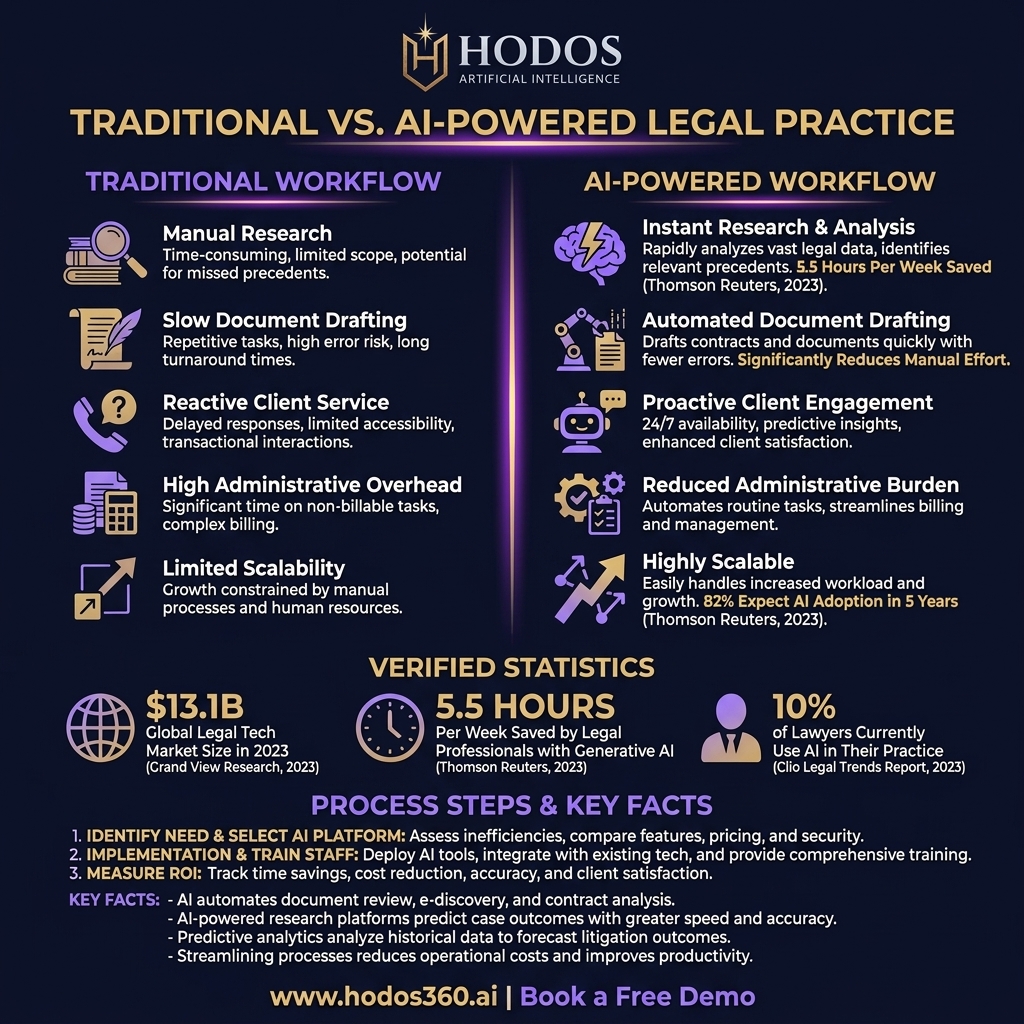
The landscape of legal research has been irrevocably altered by advanced legal AI tools. Platforms like Lexis+AI and Thomson Reuters' CoCounsel have moved beyond keyword searches to semantic understanding, allowing lawyers to pose complex questions in natural language and receive highly relevant, synthesized answers. This capability dramatically cuts down research time, enabling attorneys to uncover obscure precedents or nuanced interpretations that might have been missed through traditional methods. The ethical imperative to maintain competence, as outlined in ABA Model Rule 1.1, now includes understanding the benefits and risks of relevant technology, making the adoption of these tools a professional responsibility.
While general-purpose large language models like ChatGPT, Claude, and Gemini have captured public imagination, their utility in legal research and drafting requires careful discernment. Learn more about Voice AI: Essential Guide to Transforming Legal Operations. While they can generate initial text or summarize vast amounts of information, their lack of legal domain specificity and hallucination risks necessitate rigorous human oversight. Specialized legal AI, on the other hand, is trained on vast corpora of legal documents, statutes, and case law, providing more accurate and contextually appropriate outputs. This distinction is crucial for legal professionals seeking reliable and compliant AI solutions for their practice, moving beyond a simple AI lawyer query to robust, verifiable legal insights.
The Role of Generative AI in Document Creation
Generative AI is proving invaluable in the initial stages of document creation, serving as a powerful drafting assistant. Imagine instantly generating a first draft of a non-disclosure agreement, a complex brief, or even a nuanced motion, tailored to specific jurisdictional requirements and client needs. While these tools significantly accelerate the drafting process, they do not eliminate the need for human review and refinement. Learn more about AI Adoption: The Ultimate Guide for Law Firm Success. Attorneys remain essential for injecting strategic legal judgment, ensuring accuracy, and adapting the AI-generated content to the unique circumstances of each case. This partnership between human expertise and AI efficiency promises a future where legal professionals spend less time on rote drafting and more on strategic thinking.
AI for Client Acquisition and Marketing in Legal Services
In a competitive legal market, attracting and retaining clients is paramount. AI marketing platform solutions are revolutionizing how law firms connect with potential clients, moving beyond generic campaigns to highly personalized, data-driven outreach. AI can analyze market trends, client demographics, and past campaign performance to identify the most effective channels and messages. This includes AI-powered content generation for blog posts, social media updates, and email newsletters, ensuring a consistent and compelling brand voice without demanding extensive attorney time.
Firms are leveraging AI for everything from creating engaging video content for social media to automating their outreach on platforms like LinkedIn. Learn more about AI Voice Assistants: Ultimate Competitive Edge for Law Firms. For instance, a boutique litigation firm in Chicago reported a 25% increase in qualified leads after implementing an AI marketing platform that optimized their Google Ads and social media campaigns. The platform automatically A/B tested ad copy, identified optimal posting times, and even generated personalized follow-up emails. This level of precision and automation allows firms to maximize their marketing ROI and build a strong online presence that resonates with their target audience, turning a generic online presence into a powerful client magnet.
Revolutionizing Client Interaction with AI Voice Assistants
Client experience is a key differentiator in the legal industry, and responsiveness is critical. AI voice assistants are transforming the front office, providing 24/7 phone answering capabilities that ensure no potential client call goes unanswered. These intelligent assistants can handle routine inquiries, answer frequently asked questions, and even provide multilingual support, catering to a diverse client base. A study by Gartner in 2025 indicated that firms utilizing AI-powered virtual receptionists saw a 30% improvement in client satisfaction scores due to enhanced responsiveness and accessibility.
Beyond simple answering services, these AI voice assistants are adept at initial lead qualification, gathering essential information from callers to determine their legal needs and fit for the firm. Learn more about AI-Native Law Firms: The Ultimate Guide to Thriving in a New Era. They can then seamlessly route calls to the appropriate department or attorney, or even book appointments directly into the firm's calendar. This not only optimizes the client intake process but also frees up administrative staff to focus on more complex tasks, ensuring that every interaction is efficient, professional, and ultimately, beneficial for both the client and the firm. It’s like having a highly efficient, tireless personal legal assistant dedicated to client engagement.
Optimizing Client Intake and Lead Qualification
The initial client intake process is often a bottleneck, consuming valuable time for both prospective clients and firm staff. AI voice assistants streamline this by conducting preliminary interviews, collecting necessary background information, and even performing initial conflict checks. This ensures that by the time a human attorney or paralegal engages, they have a comprehensive understanding of the client's situation, allowing for more productive first consultations. This pre-qualification also filters out unqualified leads, ensuring that legal professionals spend their time on cases that align with the firm's expertise and capacity.
Strategic Implementation of Legal AI Tools for Competitive Advantage
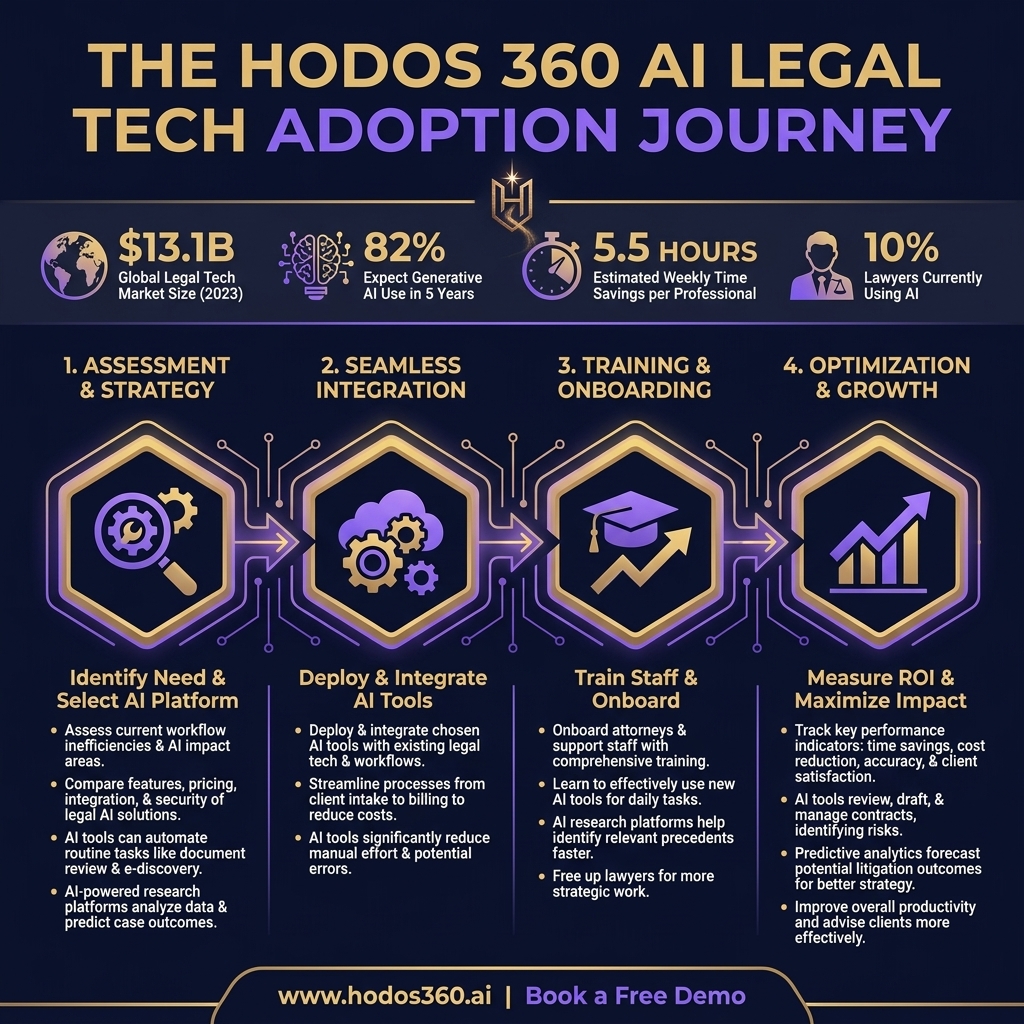
Adopting legal AI tools is not merely about purchasing software; it's a strategic imperative that requires careful planning and a phased approach. Firms that rush into AI without a clear strategy often face integration challenges and underutilized potential. Conversely, those that thoughtfully integrate AI, such as the strategic rollouts seen at firms like Latham & Watkins with their internal AI initiatives, gain a significant competitive edge. This involves assessing current workflows, identifying pain points where AI can provide the most impact, and ensuring robust data security protocols are in place to comply with client confidentiality (e.g., Federal Rule of Civil Procedure 26 on discovery of electronically stored information).
The human element remains central to successful AI integration. Comprehensive training for attorneys and staff on how to effectively use and oversee AI tools is crucial. Firms must foster a culture of innovation, encouraging experimentation while emphasizing the ethical responsibilities associated with AI deployment. The market shows a clear divergence: firms embracing AI are capturing larger market shares and attracting top talent, while those resistant to change risk falling behind, struggling with outdated inefficiencies and declining profitability. The drama unfolds in real-time as the legal industry divides into AI adopters and those who resist the inevitable tide of technological progress.
For law firms and in-house counsel looking to strategically implement a comprehensive AI solution, platforms like HODOS 360 offer an integrated approach. Our AI Law Firm Management System consolidates case management, billing, client intake, and document automation into a single, intelligent platform. Complementing this, our AI Marketing Platform drives client acquisition, while AI Voice Assistants revolutionize client interaction. Finally, our Web & Mobile Development services ensure a cutting-edge digital presence, all powered by AI to provide a holistic solution.
Successfully implementing AI requires a commitment to continuous learning and adaptation. The legal tech landscape is dynamic, with new innovations emerging constantly. Firms must stay abreast of these developments, regularly evaluating their AI stack and adjusting their strategies to maintain a competitive edge. This proactive stance ensures that AI remains a powerful enabler of legal excellence, rather than a fleeting trend. The future belongs to those who embrace intelligent tools to enhance, not diminish, human legal expertise.
- ✓Conduct a Needs Assessment: Identify specific pain points and areas where AI can deliver the most significant impact on efficiency and client service.
- ✓Prioritize Data Security: Implement robust cybersecurity measures and ensure AI tools comply with all relevant privacy regulations and ethical guidelines.
- ✓Start Small, Scale Smart: Begin with pilot programs in specific departments or for particular tasks, then expand successful implementations across the firm.
- ✓Invest in Training: Provide comprehensive training for all staff on how to effectively use, monitor, and critically evaluate AI-generated outputs.
- ✓Foster a Culture of Innovation: Encourage attorneys and staff to experiment with AI, share insights, and contribute to the firm's evolving AI strategy.
- ✓Regularly Evaluate & Optimize: Continuously assess the performance of AI tools, gather feedback, and adapt strategies to maximize benefits and address challenges.

Key Takeaways and Next Steps
The adoption of legal AI tools is no longer optional; it's a strategic imperative for any law firm or in-house legal department aiming for sustained growth and efficiency. From automating routine tasks and enhancing legal research to revolutionizing client acquisition and interaction, AI offers a comprehensive suite of solutions that empower legal professionals to deliver superior service and achieve better outcomes. The evidence is clear: firms that embrace this technological shift are poised to outpace their competitors, attract top talent, and secure a prominent position in the evolving legal landscape.
For those ready to harness the full potential of artificial intelligence, platforms like HODOS 360 provide an integrated ecosystem designed specifically for the legal industry. By consolidating essential services—from AI-powered practice management to advanced marketing and client engagement tools—we empower firms to streamline operations, enhance client experiences, and drive measurable growth. It's time to transform your practice and secure your firm's future in the age of AI. Discover how HODOS 360 can elevate your legal practice.
Frequently Asked Questions
What are the primary benefits of legal AI tools for small firms?+
Small firms can leverage legal AI tools to level the playing field against larger competitors. Benefits include automating administrative tasks like billing and document generation, enhancing legal research efficiency, and improving client intake processes. This allows lean teams to maximize productivity, reduce overhead, and focus on high-value legal work, making sophisticated technology accessible without requiring extensive in-house IT resources.
How do legal AI tools ensure data security and client confidentiality?+
Reputable legal AI tools prioritize data security through robust encryption, strict access controls, and compliance with industry-specific regulations like HIPAA or GDPR. Many platforms offer on-premise or private cloud deployment options for enhanced control. Firms must conduct due diligence, review vendor security protocols, and ensure their use of AI aligns with professional obligations under rules like ABA Model Rule 1.6 on confidentiality of information.
What's the difference between general AI (ChatGPT) and specialized legal AI?+
General AI, like ChatGPT, is trained on broad internet data and excels at creative text generation or general knowledge queries. Specialized legal AI, conversely, is trained on vast legal datasets (statutes, case law, briefs) and designed for legal-specific tasks like contract analysis, e-discovery, or legal research. Specialized AI offers greater accuracy, contextual understanding, and compliance with legal standards, significantly reducing the risk of 'hallucinations' common in general-purpose models.
How can in-house counsel leverage AI for compliance and risk management?+
In-house counsel can use AI to automate compliance checks, monitor regulatory changes, and identify potential risks in contracts or communications. AI tools can rapidly analyze large volumes of documents for specific clauses, flag non-compliant language, or predict potential litigation risks based on historical data. This proactive approach helps legal departments stay ahead of regulatory demands, reduce exposure, and efficiently manage corporate governance, transforming a reactive function into a strategic asset.
What are the ethical considerations when using AI in legal practice?+
Ethical considerations include maintaining attorney competence (ABA Model Rule 1.1), ensuring client confidentiality (Rule 1.6), supervising non-lawyer assistants (Rule 5.3 applies to AI tools), and avoiding unauthorized practice of law (Rule 5.5). Attorneys must understand AI's limitations, verify outputs, and remain ultimately responsible for all legal advice and services. Transparency with clients about AI use is also crucial to uphold trust and professional integrity.