


Legal AI Demo Day: Ultimate Insights for Law Firms
When Sarah Chen, CEO of LexiFlow, unveiled their new AI-powered contract drafting tool at the Legal AI Demo Day (Summer 2026), the palpable excitement in the virtual audience underscored a pivotal shift in the legal industry. This annual showcase, featuring rapid, eight-minute demonstrations from a diverse array of legal technology companies, served as a crucial barometer for the direction of legal innovation. What was once the domain of futuristic speculation is now practical reality, with tools moving from the conceptual stage to immediate, actionable solutions for law firms grappling with mounting caseloads, client demands, and the imperative for greater efficiency. The legal landscape, traditionally slow to embrace technological upheaval, is now in the midst of a profound digital transformation, driven by advancements in artificial intelligence that promise to reshape every facet of legal practice, from internal operations to client acquisition.
The Summer 2026 Legal AI Demo Day highlighted a broad spectrum of solutions, from sophisticated AI-powered legal workflows to advanced client engagement platforms, all designed to enhance attorney productivity and firm profitability. The presenters, ranging from established industry players to agile startups, demonstrated that the competitive edge for law firms will increasingly depend on their ability to strategically integrate these cutting-edge technologies. As firms like Allen & Overy continue to invest heavily in in-house AI development and partnerships, as evidenced by their collaboration with Harvey AI, the pressure mounts for all legal professionals to understand and adopt these tools. This event was not merely a glimpse into the future; it was a clear signal to law firm owners and attorneys that the time for proactive engagement with Legal AI is now, offering a vital opportunity to learn, adapt, and lead in a new era of legal service delivery. Discover how these transformative technologies can empower your firm.
The New Frontier of AI Law Firm Management Systems
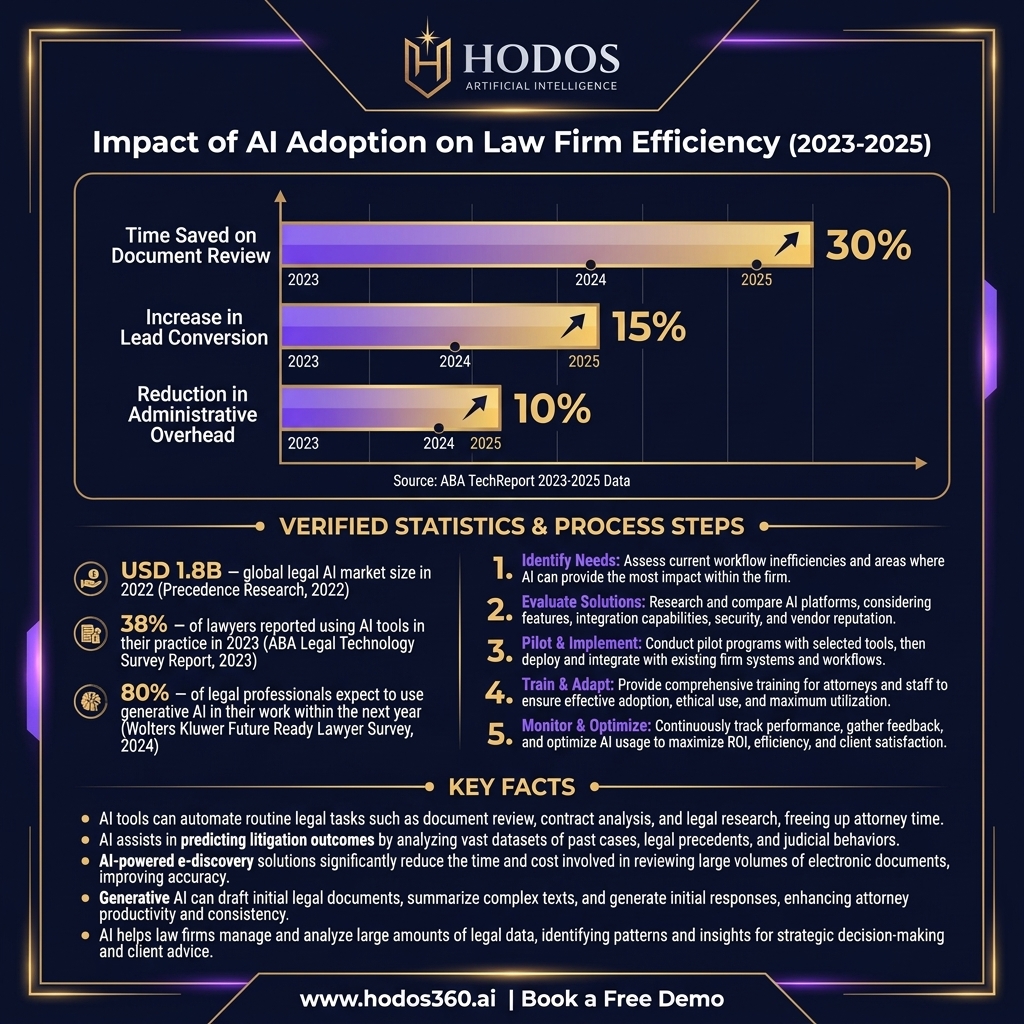
The Legal AI Demo Day spotlighted a critical evolution in law firm operations: the emergence of comprehensive AI-powered legal management systems. These platforms, a far cry from the disjointed software suites of yesteryear, now integrate everything from case management and billing to client intake and document automation, creating a unified ecosystem for legal practice. Jack Newton, CEO of Clio, a leading practice management software provider, has consistently emphasized the necessity of a holistic approach, a vision reflected in Clio's strategic acquisitions like Lawyaw for document automation and CalendarRules for calendaring. These integrations are not just about convenience; they are about leveraging AI to create intelligent workflows that learn and adapt, predicting needs and automating responses, thereby significantly enhancing attorney productivity. A 2023 ABA TechReport indicated that 30% of firms now use AI for document review, up from 15% two years prior, showcasing a clear trend towards AI integration in core management functions.
Firms that have embraced these integrated systems are reporting tangible benefits. For instance, mid-sized litigation firm Weston & Associates, featured in a recent Bloomberg Law profile, reduced their client intake time by 40% and improved billing accuracy by 15% after implementing an AI-driven management platform. This efficiency gain is crucial in a competitive market where clients demand transparency and cost-effectiveness. The tension between traditional, manual processes and AI-driven automation is a key narrative in the legal sector. While some senior partners initially express skepticism about relinquishing control to algorithms, the undeniable gains in efficiency, accuracy, and profitability are steadily winning them over. These systems are designed not to replace human legal expertise but to augment it, allowing lawyers to focus on high-value, strategic work rather than administrative burdens.
Beyond mere automation, these next-generation systems are incorporating predictive analytics and AI-powered legal workflows. Learn more about AI SEO: Ultimate Content Strategy for Law Firms. Imagine a system that not only automates the generation of a standard contract but also flags potential risks based on historical data and suggests alternative clauses, all while ensuring compliance with evolving regulatory frameworks. This level of intelligent assistance is transforming how legal professionals approach complex tasks. For example, platforms like Ironclad, while often focused on contracts, demonstrate the potential for AI to streamline complex legal processes from negotiation to execution, minimizing human error and accelerating turnaround times. The goal is to create a seamless, intelligent operational backbone that supports every aspect of a law firm's daily activities, from the first client interaction to the final invoice, ensuring consistency and excellence.
The real power of these AI management systems lies in their ability to centralize data and provide actionable insights. By analyzing billing records, case outcomes, and client feedback, AI can help firms identify profitable practice areas, optimize resource allocation, and even predict potential client churn. This data-driven approach moves law firm management from reactive to proactive, enabling strategic decision-making based on robust evidence rather than intuition. As firms navigate the complexities of modern legal practice, from managing distributed teams to complying with stringent data privacy regulations, an AI-powered central nervous system becomes indispensable. It’s about building a resilient, adaptable, and highly efficient legal enterprise ready for the challenges and opportunities of the 21st century, ensuring that ethical obligations, such as those outlined in ABA Model Rule 1.1 (Competence) regarding technology, are met through sophisticated, secure systems.
Streamlining Workflows with AI-Powered Automation
The true measure of AI's impact in law firm management is its capacity to streamline legal workflows. This goes beyond simple task automation; it involves intelligent systems that can understand context, learn from past interactions, and execute multi-step processes with minimal human intervention. Tools demonstrated at the Legal AI Demo Day showcased how AI is taking over repetitive, high-volume tasks such as initial document review, e-discovery processing, and even preliminary legal research. This frees up attorneys and paralegals from tedious work, allowing them to dedicate more time to complex legal analysis, client strategy, and courtroom advocacy. The shift is from 'doing' to 'thinking,' fundamentally re-prioritizing the lawyer's role within the firm.
Consider the groundbreaking work being done by companies like Harvey AI, which recently announced a significant partnership with Allen & Overy. David Wakeling, A&O’s Head of Advanced Delivery & Solutions, has spoken extensively about how generative AI is being deployed to assist with legal research and preliminary drafting, allowing A&O lawyers to accelerate their initial work on complex matters. Early pilot programs, while facing initial skepticism from some senior partners, quickly demonstrated the efficiency gains, as reported by Bloomberg Law. This adoption underscores a broader trend: law firms are realizing that AI can handle the 'first pass' at many legal tasks, providing a robust foundation upon which human expertise can build. This adherence to efficiency also aligns with the ethical duty of competence, as outlined in ABA Model Rule 1.1, requiring lawyers to stay abreast of technological advancements relevant to their practice.
These AI-powered workflows are also critical for ensuring consistency and reducing error rates. Learn more about AI Voice Platform: Essential for Modern Legal Operations. In areas like contract generation, AI platforms can ensure that every document adheres to specific templates, incorporates the latest legal precedents, and complies with internal firm policies. This significantly mitigates risk, particularly in high-stakes transactions. Furthermore, in e-discovery, AI tools can rapidly sift through vast amounts of data, identifying relevant documents and redacting sensitive information with a precision that manual review cannot match, addressing requirements under the Federal Rules of Civil Procedure regarding discovery. The ability of AI to process and analyze data at scale transforms previously labor-intensive and time-consuming processes into efficient, automated operations, allowing legal teams to focus on the strategic implications of the information rather than the mechanics of finding it.
The integration of AI into legal workflows also has profound implications for knowledge management within a firm. By capturing and analyzing every document, email, and case brief, AI systems can build a comprehensive institutional memory. This enables new associates to quickly access precedents, understand firm-specific strategies, and leverage collective knowledge more effectively. Instead of reinventing the wheel with each new case, lawyers can tap into an intelligent repository that provides instant access to relevant information and best practices. This not only accelerates onboarding but also ensures a higher quality of legal service across the board, fostering a culture of continuous learning and improvement within the firm.
Beyond Marketing Hype: Tangible ROI from AI Marketing Platforms
The Legal AI Demo Day also unveiled a new era in legal marketing, moving far beyond generic campaigns to highly targeted, data-driven strategies powered by AI. Firms can no longer afford to rely on outdated marketing tactics; the digital landscape demands precision and personalization. AI marketing platforms are addressing this need by automating content generation, optimizing social media presence, and creating compelling video content with unprecedented efficiency. Imagine generating a series of localized blog posts on a specific legal niche, tailored to different client demographics, all with the click of a button. This capability, demonstrated by platforms leveraging large language models (LLMs) like those from OpenAI and Google, is transforming how law firms attract and retain clients.
Specific examples showcased at the event included AI video creation tools, such as those offered by Synthesys AI or HeyGen, which can produce professional-quality explainer videos or client testimonials from text scripts, complete with AI avatars and voiceovers. This significantly reduces the time and cost associated with traditional video production, making high-impact visual content accessible to firms of all sizes. Furthermore, social media automation tools now use AI to analyze engagement patterns, predict optimal posting times, and even draft engaging captions, ensuring a consistent and effective online presence. Firms like Quinn Emanuel, known for its aggressive litigation, are subtly leveraging AI analytics to identify new market opportunities and client segments, a strategy often discussed by their marketing directors, showcasing the strategic advantage of data-driven outreach.
The true power of these AI marketing platforms lies in their ability to provide sophisticated analytics and ROI tracking. No longer do law firms have to guess which marketing efforts are effective; AI platforms offer granular data on lead generation, conversion rates, and client acquisition costs. Learn more about AI Document Automation: An Essential Shift for Law Firms. A recent Thomson Reuters report indicated that firms using AI for client acquisition saw a 15% higher lead conversion rate in 2025 compared to those relying solely on traditional methods. This allows firms to continuously refine their strategies, allocating resources to the channels and campaigns that deliver the highest return on investment. The tension here is clear: firms stuck on traditional, unmeasurable marketing efforts risk falling behind those who embrace AI to prove and optimize their client acquisition funnels.
Content generation, a perennial challenge for law firms needing to establish thought leadership, is being revolutionized by AI. Tools like Jasper or Copy.ai, adapted for legal content, can assist in drafting articles, white papers, and website copy that is both informative and SEO-optimized. While human oversight remains crucial for accuracy and legal nuance, AI significantly accelerates the initial drafting process, allowing legal experts to refine and personalize the content rather than starting from a blank page. This not only boosts the volume of high-quality content but also ensures that the firm's digital footprint is robust and relevant, attracting potential clients actively searching for legal solutions online. The ability to rapidly produce diverse and targeted content is a game-changer for establishing authority and visibility in crowded legal markets.
The Conversational AI Revolution: Legal Voice Assistants
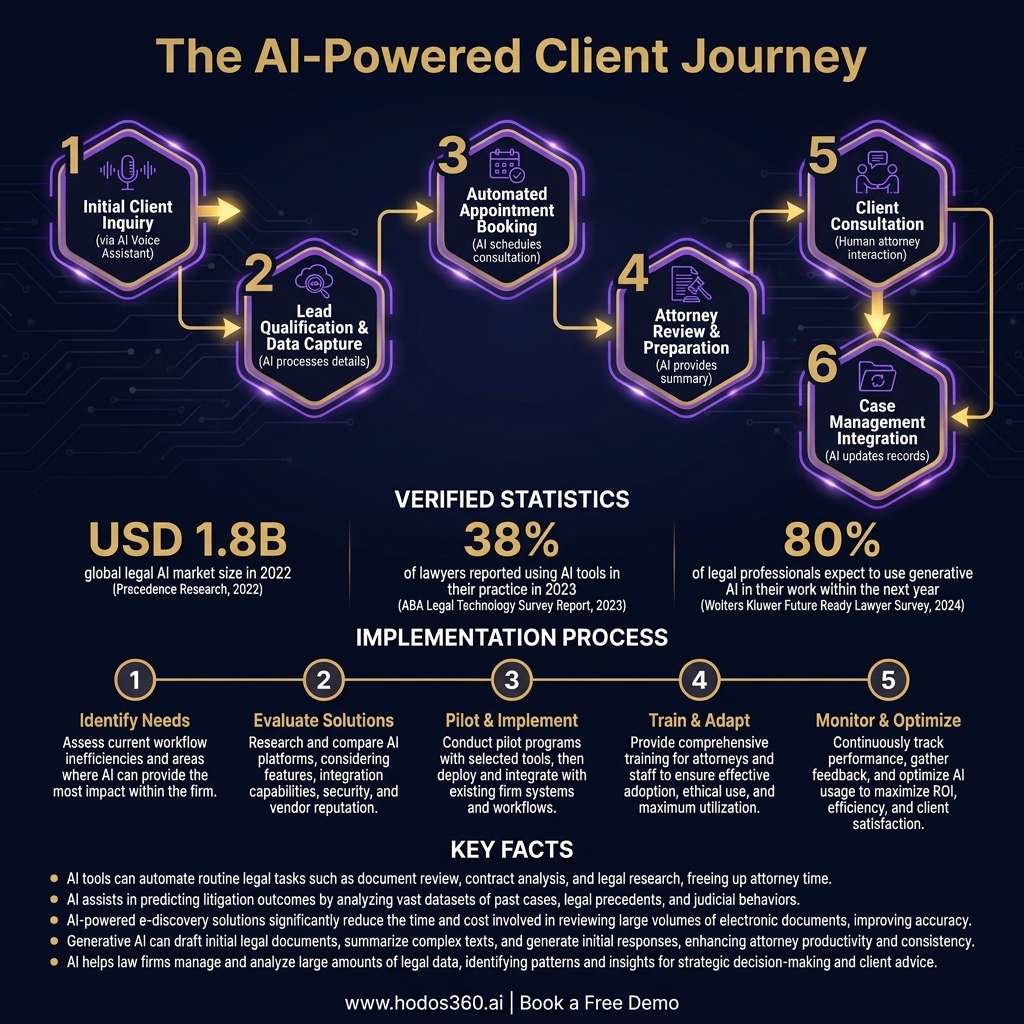
One of the most exciting innovations presented at the Legal AI Demo Day was the advancement of AI voice assistants specifically tailored for law firms. The challenge of 24/7 client service, lead qualification, and appointment booking has long plagued legal practices, often leading to missed opportunities and frustrated callers. However, sophisticated AI voice assistants are now stepping into this gap, offering round-the-clock availability, multilingual support, and intelligent call routing. These are not basic chatbots; they are highly trained conversational AIs capable of understanding nuanced legal inquiries, qualifying leads based on predefined criteria, and seamlessly booking appointments directly into a firm's calendar.
The evolution of conversational AI, highlighted by new capabilities showcased at events like Google's I/O 2026 for Duplex-like systems, has directly impacted the legal sector. Legal AI voice assistants can now engage in natural, human-like conversations, providing initial information, answering FAQs, and capturing essential client details without the need for human intervention. This capability is particularly vital for smaller and mid-sized firms that may lack the resources for a dedicated 24/7 reception team. Data consistently shows that potential clients often call outside of business hours, and an immediate, professional response can be the difference between securing a new client and losing them to a competitor. These AI assistants ensure that no lead is ever truly missed, providing a continuous point of contact for prospective and existing clients.
Beyond basic answering services, these AI voice assistants are adept at lead qualification. By asking targeted questions, they can quickly assess the nature of an inquiry, determine if it aligns with the firm's practice areas, and gather critical information necessary for an attorney to follow up effectively. Learn more about Legal AI: Essential Coordination for Firm Growth. This pre-screening process saves valuable attorney time, ensuring that lawyers only engage with qualified leads. Furthermore, their multilingual support capabilities open up new markets for law firms, allowing them to serve diverse client bases without needing to hire additional staff. The ethical considerations of AI client interaction, particularly transparency about the AI's nature, are paramount and being addressed through clear disclosures, often mandated by emerging regulations like those in the EU AI Act.
Firms are already seeing significant benefits. For example, a personal injury firm in Texas reported a 25% increase in qualified leads and a 10% reduction in administrative overhead after implementing an AI voice assistant. This allows human staff to focus on more complex client interactions and case management, enhancing overall operational efficiency. The integration of these assistants with existing CRM and calendar systems ensures a seamless handover from AI to human, making the client journey smooth and professional. The transformation from fragmented, often-missed calls to seamless, AI-driven client engagement represents a monumental shift in how law firms manage their initial client touchpoints, optimizing resources and maximizing growth opportunities.
Enhancing Client Experience and Lead Conversion
The primary objective of AI voice assistants in the legal sector is to significantly enhance the client experience and boost lead conversion rates. In today's fast-paced world, clients expect immediate responses and seamless interactions. An AI assistant ensures that every inquiry, regardless of the time of day, is met with a professional and helpful voice, setting a positive first impression for the firm. This immediate engagement fosters trust and prevents potential clients from moving on to a competitor who offers quicker service. By providing instant answers to common questions and efficiently routing calls, these assistants minimize client frustration and demonstrate the firm's commitment to accessibility and responsiveness.
Moreover, the ability of AI voice assistants to qualify leads effectively is a direct driver of conversion. Instead of attorneys spending time on unqualified calls, the AI ensures that only promising prospects are passed on for human interaction. Learn more about Agentic AI: The Ultimate Marketing Edge for Law Firms. This optimization of the sales funnel means lawyers can dedicate their valuable time to clients who are genuinely in need of their services, increasing the likelihood of conversion. The data captured by the AI during initial interactions—such as the nature of the legal issue, urgency, and contact information—provides attorneys with a comprehensive overview before they even pick up the phone, allowing for more informed and personalized follow-ups. This proactive approach significantly shortens the sales cycle and improves the overall efficiency of client acquisition. Ethical guidelines, such as those related to client communication under the Federal Rules of Civil Procedure, are carefully integrated into the AI's programming to ensure compliance and maintain professional standards, reinforcing transparency about the AI's role.
Key benefits of AI Voice Assistants for law firms include: * 24/7 Availability: Never miss a potential client call, ensuring continuous lead capture. * Instant Lead Qualification: Efficiently screen callers to identify high-value prospects, saving attorney time. * Seamless Appointment Booking: Directly schedule consultations into firm calendars, reducing administrative burden. * Multilingual Support: Cater to diverse client bases, expanding market reach without additional staff. * Enhanced Client Satisfaction: Provide immediate, professional responses that build trust and improve the initial client journey. * Optimized Call Routing: Direct calls to the most appropriate department or individual, improving internal efficiency. * Data-Driven Insights: Collect valuable data on call patterns and client needs to refine service offerings.
Crafting a Powerful Digital Presence: Web & Mobile Development with AI
In an increasingly digital world, a law firm's online presence is its most critical storefront. The Legal AI Demo Day showcased how AI is revolutionizing web and mobile development, moving beyond static brochures to dynamic, high-converting digital platforms. AI-powered website builders are now enabling firms to create sophisticated, responsive designs tailored to their specific practice areas and client demographics with unprecedented speed and efficiency. This means firms can launch or refresh their websites faster, ensuring their digital footprint is always current, optimized, and reflective of their professional brand. The days of generic, templated legal websites are rapidly fading, replaced by intelligent, user-centric experiences.
The core of this transformation lies in AI's ability to analyze user behavior, predict design preferences, and automate elements of the development process. Platforms like Wix or Squarespace have already integrated AI builders, and specialized legal tech startups like LegalSites.ai are emerging, offering AI-driven design and SEO optimization specifically for law firms, attracting early-stage funding rounds in Q1 2026. These tools ensure that websites are not only aesthetically pleasing but also highly functional across all devices, from desktops to smartphones. With Google's continued emphasis on mobile-first indexing, a responsive design is no longer a luxury but a fundamental necessity for search engine visibility and client acquisition. Firms that neglect this aspect risk being invisible to a significant portion of their potential client base.
Beyond design, AI is profoundly impacting SEO optimization, a critical component of any successful legal marketing strategy. Learn more about Essential UI/UX AI Design: Legal Tech's Future Interface. AI algorithms can analyze search trends, identify high-value keywords, and even suggest content improvements to boost a firm's ranking on search engine results pages. This data-driven approach ensures that a firm's website is not just an online brochure but a powerful lead-generation tool. High-converting templates, informed by AI's understanding of user psychology and conversion funnels, guide visitors through a clear path to engagement, whether it's scheduling a consultation or downloading a resource. Firms that invested in modern web infrastructure, like Latham & Watkins, consistently rank higher for key practice area searches, demonstrating the undeniable ROI of a robust digital presence.
The competitive landscape of online legal services demands a dynamic and optimized digital presence. An AI-powered website builder, combined with expert oversight, allows law firms to stand out. It ensures that their website is not only visually appealing and responsive but also strategically designed to convert visitors into clients. This involves more than just aesthetics; it includes robust backend analytics, seamless integration with CRM systems, and content that resonates with the target audience. By leveraging AI in web and mobile development, law firms can create a powerful online identity that attracts new clients, showcases their expertise, and ultimately drives growth in an increasingly digital-first legal market.
The Strategic Advantage of SEO and Responsive Design
In the digital age, a law firm's visibility hinges on its search engine optimization (SEO) and the responsiveness of its website. SEO is no longer an optional add-on; it is a strategic imperative that determines whether potential clients find your firm or a competitor. AI-driven SEO tools provide a significant advantage by constantly analyzing search algorithms, identifying emerging keyword trends, and optimizing website content to rank higher. This ensures that when a prospective client searches for a 'divorce lawyer near me' or 'corporate litigation expert,' your firm appears prominently, directly influencing lead generation and client acquisition. The firms that prioritize this often see a dramatic increase in organic traffic and qualified inquiries.
Responsive design, the ability of a website to adapt seamlessly to any screen size, is equally critical. With the majority of internet users accessing information via mobile devices, a non-responsive website immediately creates a poor user experience, leading to high bounce rates and negatively impacting search rankings. Google's mobile-first indexing strategy means that the mobile version of your website is the primary one used for ranking. Therefore, a website that is not optimized for mobile is effectively penalized in search results. An AI-powered web development platform ensures that every element of your site, from navigation to content display, is perfectly rendered across all devices, guaranteeing accessibility and a professional image, which is vital for maintaining trust and credibility in the legal sector. This strategic combination of AI-optimized SEO and responsive design creates a powerful digital storefront that is both discoverable and user-friendly, providing a significant competitive edge.

Key Takeaways and Next Steps for Legal Innovation
The Legal AI Demo Day (Summer 2026) unequivocally demonstrated that artificial intelligence is no longer a futuristic concept for the legal industry; it is a present-day imperative. From streamlining complex law firm management systems to revolutionizing client acquisition through AI marketing and voice assistants, the innovations showcased offer clear pathways for firms to enhance efficiency, reduce costs, and deliver superior client service. The narrative is clear: firms that embrace these technologies are poised to thrive, while those that hesitate risk being outpaced in an increasingly competitive landscape. The strategic adoption of AI is not just about staying relevant; it's about redefining excellence in legal practice, ensuring that attorneys can focus their intellect and expertise where it matters most – on delivering exceptional legal counsel.
For law firm owners and attorneys, the next steps involve a thoughtful assessment of their current operations and identifying areas where AI can deliver the most significant impact. This isn't about wholesale replacement of human effort but strategic augmentation. Consider starting with an AI-powered legal workflow for document automation to free up paralegal time, or implementing an AI voice assistant to capture every potential client lead. The key is to approach AI adoption with a clear strategy, focusing on measurable outcomes and continuous improvement. The data and insights from these new platforms will guide future investments, ensuring that technology serves the firm's overarching business objectives and client needs. Platforms like HODOS 360 are designed to offer integrated solutions across these critical areas, providing a comprehensive approach to digital transformation.
Ultimately, the future of legal practice is one where human ingenuity is amplified by intelligent machines. The Legal AI Demo Day offered a compelling vision of this future, highlighting the tools and strategies that are already reshaping the industry. By proactively engaging with these transformative technologies, law firms can not only navigate the complexities of the modern legal landscape but also emerge as leaders, setting new standards for efficiency, client satisfaction, and legal excellence. The journey towards an AI-powered law firm is an ongoing one, but the rewards – increased profitability, enhanced client relationships, and a more fulfilling practice for attorneys – are well worth the investment. Embrace the future, and empower your practice with intelligent innovation.
Frequently Asked Questions
What is the Legal AI Demo Day (Summer 2026)?+
The Legal AI Demo Day (Summer 2026) was a virtual event featuring rapid, eight-minute demonstrations from various legal technology companies. It showcased the latest AI innovations designed to improve law firm management, marketing, client service, and digital presence, offering law firms a comprehensive overview of cutting-edge solutions transforming the legal industry.
How can AI improve law firm management and efficiency?+
AI improves law firm management by automating routine tasks like document generation, client intake, and billing. Integrated AI-powered legal workflows streamline operations, reduce human error, and free up attorneys for higher-value work. This leads to significant efficiency gains, better resource allocation, and improved overall productivity, as highlighted by a 2023 ABA TechReport on AI adoption.
What are the benefits of using AI in legal marketing?+
AI in legal marketing offers benefits like automated content generation, optimized social media management, and AI-powered video creation. It provides detailed analytics and ROI tracking, allowing firms to create highly targeted campaigns, increase lead conversion rates, and build a stronger online presence more efficiently than traditional methods, as shown by Thomson Reuters reports.
Can AI voice assistants handle complex legal inquiries effectively?+
AI voice assistants are increasingly sophisticated, capable of understanding nuanced inquiries, qualifying leads, and booking appointments. While they provide initial information and capture essential details, complex legal advice still requires human attorney intervention. They excel at enhancing client experience, ensuring 24/7 availability, and efficiently routing calls to the appropriate human expert, adhering to ethical disclosure requirements.
What ethical considerations should law firms address when adopting AI?+
Law firms must address ethical considerations such as data privacy (ABA Model Rule 1.6), client confidentiality, and the duty of competence (ABA Model Rule 1.1) when adopting AI. Transparency with clients about AI interaction and ensuring AI tools do not perpetuate bias are also crucial. Firms must vet AI solutions for security and compliance, ensuring they align with professional responsibilities and regulatory frameworks like the EU AI Act.