
AI Website Builders: Ultimate Growth for Law Firms
Just two years ago, Sarah Chen, managing partner at LexCorp Legal, faced a familiar dilemma. Her firm’s website, a static relic from 2018, was hemorrhaging potential clients. Despite LexCorp’s stellar reputation in corporate litigation, their online presence felt like a forgotten dusty legal tome next to the sleek, interactive digital storefronts of competitors.
She recalled a conversation at LegalTech NYC 2024, where Jensen Huang, CEO of NVIDIA, passionately articulated his vision for generative AI's pervasive impact, a vision that seemed distant from LexCorp's immediate digital woes. Yet, the firm down the street, Innovate Legal, founded by the visionary Marcus Thorne, had just launched a stunning new site, built in mere days, that was actively converting leads and dominating local search results.
The stark contrast highlighted a growing chasm: firms embracing AI-powered web development were thriving, while others risked digital obsolescence. This wasn't just about aesthetics; it was about survival and growth in a hyper-competitive legal market.
Today, in June 2026, the narrative has shifted dramatically. The initial skepticism surrounding AI website builders has given way to widespread adoption, particularly among small to mid-sized law firms seeking to level the playing field.
These sophisticated AI tools are no longer just for tech startups; they are becoming essential for legal practices aiming for efficient client acquisition and robust digital marketing. The transformation is profound, moving beyond simple templates to intelligent platforms that understand legal nuances, generate relevant content, and optimize for search engines autonomously.
This evolution signifies a pivotal moment for legal professionals, offering a pathway to build a commanding online presence without the prohibitive costs or extensive time commitments traditionally associated with bespoke web development.
From automated content generation to responsive design and advanced SEO capabilities, AI website builders are redefining what's possible for legal practices.
Firms like LexCorp Legal, once hesitant, are now actively exploring these solutions, driven by competitive pressures and the undeniable success stories of early adopters. The AI Journal recently highlighted how these builders empower small businesses – a category that includes many law firms – by providing unprecedented control over their digital destiny.
This article delves into the core benefits, groundbreaking features, and strategic implications of integrating AI-powered web development into your firm's digital strategy, ensuring you not only keep pace but lead the charge in the rapidly evolving legal tech landscape. The future of your firm's online presence is here, and it's powered by AI.
For firms ready to embrace this future, explore the possibilities with HODOS 360's Web & Mobile Development services.
The Evolution of Legal Web Design: Beyond Static Pages
The journey of legal web design has been a rapid ascent from rudimentary online brochures to dynamic, intelligent platforms. Historically, a law firm's website was often a static digital card, a placeholder that offered basic contact information and perhaps a list of practice areas. Building these sites was a laborious, expensive process, often requiring specialized agencies and months of development.
This meant that only larger firms could afford truly bespoke, high-performing websites, leaving small businesses and solo practitioners at a significant disadvantage. The rise of template-based builders offered some relief, democratizing access to web creation, but they often lacked the sophistication needed for effective legal marketing or the ability to adapt to evolving digital trends.
The legal sector, traditionally cautious about adopting new technologies, found itself perpetually playing catch-up in the digital arena.
The advent of AI has fundamentally disrupted this paradigm. No longer are firms bound by the limitations of manual coding or generic templates. Modern AI website builders leverage advanced algorithms and machine learning to understand a firm's specific needs, target audience, and legal specializations.
Learn more about AI Marketing Automation: The Ultimate Guide for Law Firms. They can analyze vast datasets of successful legal websites, identifying design elements, content strategies, and SEO keywords that drive engagement and conversions. This intelligence allows for the rapid creation of highly customized, performant websites that were once the exclusive domain of multi-million dollar budgets.
Firms can now focus on their core legal work, entrusting the complexities of website design and optimization to intelligent systems, thereby reducing operational overhead and accelerating their digital footprint.
This shift is not merely incremental; it's a paradigm leap. According to a 2025 report by Thomson Reuters, law firms that actively invested in digital transformation, including advanced web presence, saw an average 15% increase in client inquiries compared to those with outdated digital strategies.
The report highlighted that firms utilizing AI tools for web development reported significantly higher client satisfaction rates with their online experience. The competitive landscape for legal services is increasingly being defined by digital visibility and user experience, making the adoption of sophisticated AI website builders not just an advantage, but a necessity for sustained business growth and relevance in the legal sector.
Firms that fail to adapt risk being overshadowed in a market where digital first impressions are paramount.
Empowering Law Firms: Core Benefits of AI Website Builders
The benefits of AI website builders for law firms extend far beyond mere convenience, fundamentally empowering them to compete more effectively and efficiently. One of the most significant advantages is unparalleled speed and agility in deployment. Traditional website development cycles can span months, a timeline that is often incompatible with the dynamic needs of a growing law firm.
AI builders, however, can generate fully functional, aesthetically pleasing, and legally compliant websites in a matter of hours or days. This rapid deployment allows firms to quickly adapt to market changes, launch new practice areas, or respond to emerging legal trends with a timely and relevant online presence, a crucial factor in securing new clients and maintaining competitive edge.
This speed is a game-changer for small businesses and solo practitioners who often lack dedicated IT or marketing teams.
Cost-efficiency is another compelling benefit. Custom web development can easily run into tens of thousands of dollars, a prohibitive expense for many law firms. AI website builders offer a significantly more affordable alternative, providing enterprise-grade features at a fraction of the cost.
This democratizes access to sophisticated digital tools, allowing firms of all sizes to invest in a high-quality online presence without compromising their operational budgets. Learn more about AI SEO: Ultimate Content Strategy for Law Firms. The ROI is further amplified by the reduction in ongoing maintenance costs, as AI often automates updates and performance monitoring.
This financial accessibility fosters greater innovation within the legal sector, enabling firms to allocate resources more strategically towards client service and legal excellence, rather than extensive web development fees.
Furthermore, these AI tools significantly enhance personalization and user experience. Gone are the days of one-size-fits-all templates.
AI builders can tailor content, design, and functionality based on user behavior, geographic location, and specific legal inquiries. For instance, a potential client searching for 'family law attorney in Miami' will see a website optimized for that specific query, featuring relevant content, testimonials, and contact information prominently displayed.
This level of personalized experience not only improves user engagement but also dramatically increases conversion rates, turning casual visitors into qualified leads. Clio's 2025 Legal Trends Report indicated that firms with highly personalized client intake processes saw a 20% higher conversion rate from initial inquiry to signed retainer, underscoring the value of an intelligent, client-centric website design.
Seamless Client Journeys: From Click to Consultation
The ultimate goal of any law firm website is to convert visitors into clients. AI website builders are designed with this objective at their core, meticulously crafting seamless client journeys that guide prospective clients from their initial click to a scheduled consultation. These platforms integrate sophisticated lead capture mechanisms, including AI-powered chatbots that can answer preliminary questions, qualify leads, and even book appointments directly into a firm's calendar.
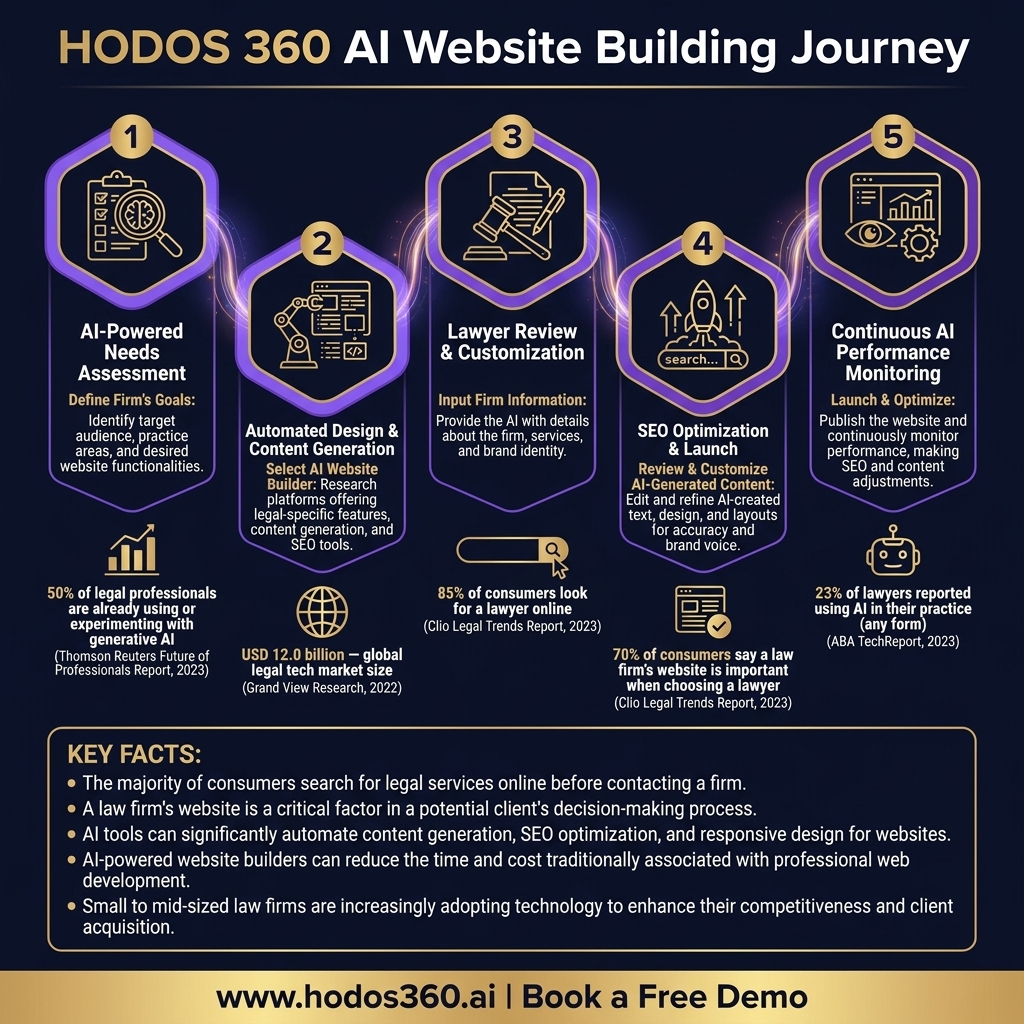
This automation ensures that no potential client falls through the cracks, providing 24/7 responsiveness that traditional firms struggle to match. The efficiency gained in client intake automation is invaluable, freeing up administrative staff to focus on more complex tasks and ensuring a consistently professional first impression.
This is a critical breakthrough for small businesses looking to optimize their operational workflows and maximize client engagement from the outset.
Moreover, the AI continually analyzes user interaction data, identifying pain points in the client journey and suggesting improvements. Learn more about AI Marketing Intelligence: The Ultimate Guide for Law Firms.
For example, if many users drop off at a specific form field, the AI can recommend simplifying the form or providing additional context. This iterative optimization process ensures that the website is always performing at its peak, maximizing its ability to attract and convert. The integration of AI-powered analytics provides actionable insights into visitor behavior, allowing firms to understand what content resonates most, where traffic originates, and how to refine their marketing efforts.
This data-driven approach transforms the website from a passive brochure into an active, intelligent marketing and client intake engine, constantly learning and improving to serve the firm's growth objectives.
AI-Powered Website Development: Features Redefining Legal Digital Presence
The capabilities of AI website builders are constantly expanding, incorporating cutting-edge advancements in artificial intelligence to offer features that were once unimaginable. One of the most impactful is AI-powered content generation. Leveraging large language models (LLMs) from pioneers like OpenAI and Anthropic, these AI tools can draft blog posts, service descriptions, FAQs, and even practice area summaries.
While human oversight remains critical for legal accuracy and tone, the AI significantly reduces the time and effort required for content creation, ensuring a steady stream of fresh, relevant material that keeps the website dynamic and engaging. This is particularly beneficial for smaller firms that may not have dedicated marketing or content teams, allowing them to maintain a rich digital presence comparable to much larger entities.
The ability to rapidly generate high-quality, SEO-optimized content is a major competitive advantage.
Another transformative feature is advanced SEO optimization. AI builders don't just suggest keywords; they actively optimize the site's structure, meta descriptions, image alt text, and internal linking strategy to rank higher on search engines.
They monitor search trends and algorithm changes in real-time, automatically adjusting the site to maintain visibility. Learn more about Web Application Development: Essential AI Workflows Emerge. This proactive approach to SEO ensures that law firms remain discoverable by potential clients, driving organic traffic without constant manual intervention.
Furthermore, the integration of responsive design ensures that the website functions flawlessly across all devices – desktops, tablets, and smartphones – a critical factor for both user experience and search engine ranking. Google's mobile-first indexing mandates that a mobile-friendly site is no longer optional but essential for online visibility.
Beyond content and SEO, AI website builders are incorporating features like multilingual support, enabling firms to reach diverse client bases with automatically translated and localized content, a growing necessity in globalized legal markets. Accessibility features, guided by AI, ensure compliance with standards like WCAG (Web Content Accessibility Guidelines), making legal information available to individuals with disabilities and avoiding potential legal pitfalls related to digital accessibility.
The ability to generate and embed AI-powered video snippets for client testimonials or explanatory legal content is also emerging, further enriching the user experience and building trust. These breakthroughs are making a tangible difference for small businesses in the legal sector, allowing them to expand their reach and enhance their professional image globally.
Automating Content and SEO for Legal Visibility
The synergy between automated content generation and sophisticated SEO is where AI website builders truly shine for law firms. Manually producing a consistent stream of high-quality, legally accurate content and then optimizing it for search engines is an immense undertaking. AI streamlines this entire process.
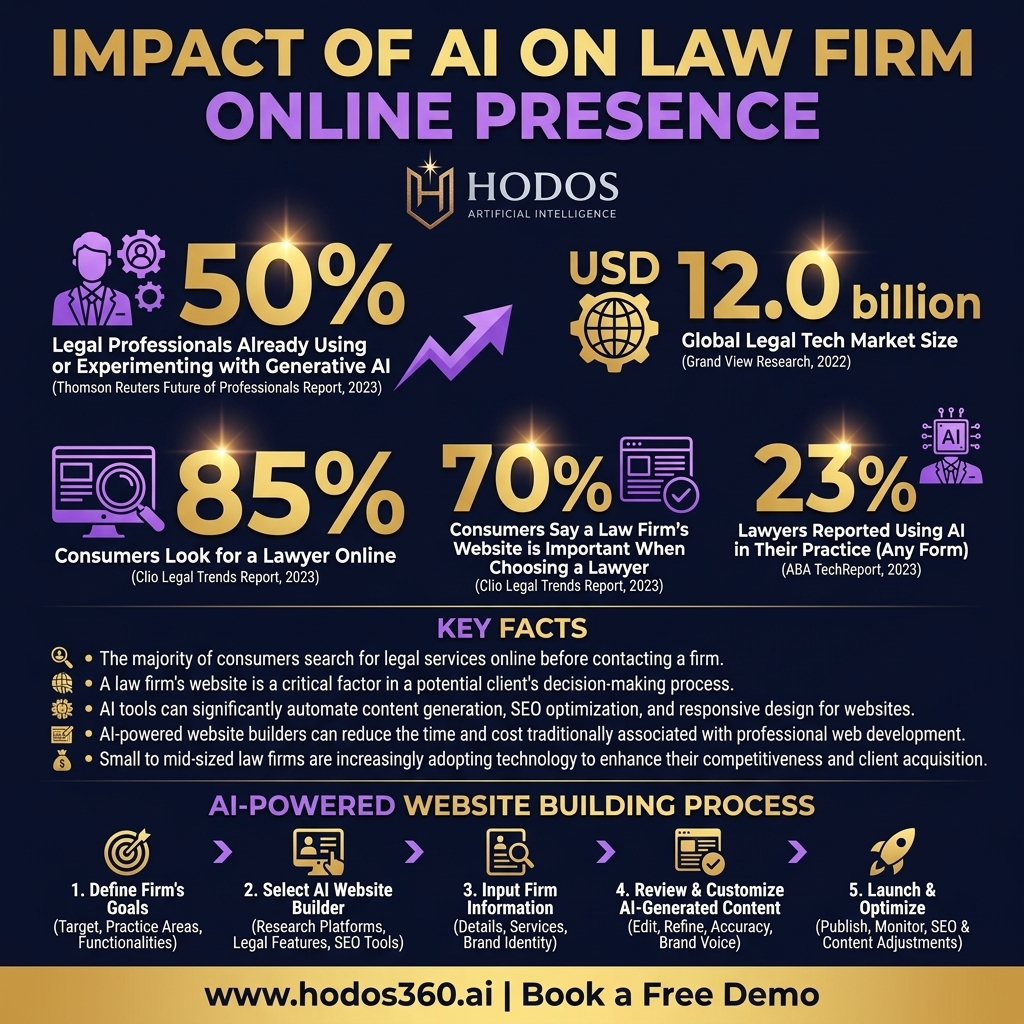
For example, an AI can analyze recent court rulings or legislative changes, then suggest and even draft blog posts explaining their implications for clients. This ensures the firm's website remains a timely and authoritative resource. Tools like Durable AI, which focus specifically on AI-generated websites for small businesses, demonstrate the power of this integration by providing immediate, SEO-ready content tailored to specific industries, including legal.
Moreover, the AI continuously monitors keyword performance, competitor rankings, and user engagement metrics. Learn more about AI Litigation: The Ultimate Platform for Modern Law Firms. If a particular keyword isn't performing well, the AI can suggest content adjustments, new article topics, or even modifications to existing pages to improve its ranking.
This dynamic, data-driven approach to SEO is far more effective than traditional, static methods. It ensures that a law firm's digital presence is not only visible but also highly relevant to the specific legal challenges potential clients are searching for, transforming the website into a powerful lead generation engine.
This continuous optimization is crucial in a constantly evolving digital landscape, ensuring that a firm's online visibility remains robust.
- ✓Rapid Deployment: Launch a fully functional, professional law firm website in days, not months, significantly reducing time-to-market for new legal services.
- ✓Cost Efficiency: Access advanced web development features at a fraction of the cost of traditional bespoke solutions, optimizing marketing budgets for small businesses.
- ✓AI-Powered Content Generation: Automatically draft blog posts, FAQs, and service descriptions, ensuring a consistent stream of fresh, SEO-friendly legal content.
- ✓Advanced SEO Optimization: AI continually analyzes and adjusts website elements for higher search engine rankings, driving organic traffic and qualified leads.
- ✓Personalized User Experience: Tailor website content and design based on user behavior and specific inquiries, enhancing engagement and conversion rates.
- ✓24/7 Lead Capture: Implement AI chatbots and smart forms for round-the-clock lead qualification and appointment booking, streamlining client intake.
- ✓Multilingual & Accessible Design: Effortlessly support multiple languages and ensure WCAG compliance, expanding reach and inclusivity for your legal services.
Strategic Implementation: Integrating AI Builders into Your Firm's Digital Strategy
Integrating AI website builders into a law firm’s overarching digital strategy requires careful consideration and a strategic approach. It's not simply about choosing a platform; it's about aligning the chosen AI tools with the firm's specific business growth objectives, ethical obligations, and existing technology stack.
Firms must evaluate platforms based on their ability to integrate with existing case management systems, CRM software, and AI Marketing Platform solutions. The goal is to create a cohesive digital ecosystem where client data flows seamlessly, marketing efforts are synchronized, and the website acts as a central hub for all online interactions.
This integration is crucial for maximizing efficiency and ensuring a holistic approach to digital presence, avoiding fragmented systems that can hinder productivity.
One critical aspect of strategic implementation involves navigating the ethical considerations surrounding AI-generated content and data privacy. With the enforcement of the EU AI Act news and increasing global scrutiny on AI regulation, law firms must ensure that their AI-powered websites adhere to strict ethical guidelines and data protection laws.
This includes transparently disclosing the use of AI where appropriate, ensuring factual accuracy in AI-generated legal content (with human review), and safeguarding client data processed through website forms or chatbots. The American Bar Association (ABA) provides guidance through rules like ABA Model Rule 7.1 (Communications Concerning a Lawyer's Services), which emphasizes that lawyers must not make false or misleading communications about their services.
Learn more about AI Legal Marketing: Proven Strategies for Law Firm Growth. This underscores the need for vigilant human oversight even with the most advanced AI tools.
Furthermore, firms should view their AI website builders as dynamic assets requiring ongoing refinement. While AI automates much of the optimization process, regular human review of analytics, user feedback, and content performance remains vital.
This collaborative approach – leveraging AI for efficiency and scale, while retaining human judgment for strategic direction and ethical compliance – is the most effective path to sustained digital success. The market for AI website builders is highly competitive, with new breakthroughs emerging constantly. Firms must stay informed about the future trends in this space, attending conferences like LegalTech NYC 2026 to evaluate new offerings and ensure their digital strategy remains cutting-edge.
This continuous engagement ensures that the firm's online platform remains robust and responsive to market demands.
Navigating Ethical AI in Web Design
As law firms increasingly rely on AI website builders, the ethical implications become paramount. The legal profession is founded on trust, accuracy, and confidentiality, principles that must extend to their digital platforms. When an AI generates content, for instance, a human lawyer must meticulously review it for legal accuracy, tone, and compliance with advertising rules.
The potential for AI to inadvertently generate misleading information or perpetuate biases, as highlighted in numerous AI regulation news stories, necessitates this diligent oversight. Firms must also be acutely aware of data privacy regulations, such as the California Consumer Privacy Act (CCPA) or the General Data Protection Regulation (GDPR), when collecting client information through AI-powered forms or chatbots.
Ensuring secure data handling and transparent privacy policies is not just good practice; it's a legal and ethical imperative that safeguards both the firm and its clients.
Moreover, the very design of the website, when influenced by AI, must uphold principles of fairness and accessibility.
An AI-driven design should not inadvertently create barriers for certain user groups or present information in a way that is confusing or manipulative. The development of AI models for web design must be guided by ethical AI principles, ensuring they promote inclusivity and transparency. Firms might consider external audits of their AI-powered websites to ensure compliance with evolving ethical standards and legal requirements, demonstrating a commitment to responsible AI adoption.
The integration of AI into web development, while offering immense advantages, demands an unwavering commitment to the ethical foundations of the legal profession.

Key Takeaways and Next Steps: Building a Future-Proof Online Presence
The narrative of AI website builders in the legal sector has shifted from curiosity to critical necessity. For law firms in 2026, embracing these AI tools is no longer an option but a strategic imperative for sustained business growth and competitive advantage. The ability to rapidly deploy, cost-effectively manage, and continuously optimize a highly personalized and SEO-driven digital presence fundamentally reshapes the landscape of legal marketing and client intake.
Firms that leverage these breakthroughs will not only attract more clients but also streamline their operations, allowing their legal teams to focus on what they do best: providing exceptional legal counsel. The initial tension between tradition and disruption has given way to a clear path forward: intelligent adoption of AI-powered solutions.
To effectively harness the power of AI website builders, law firms must prioritize platforms that offer deep integration capabilities, robust security features, and a commitment to ethical AI practices. Look for solutions that provide seamless connectivity with your existing legal tech stack, from AI Law Firm Management System to AI Voice Assistants.
The goal is to create a unified digital ecosystem that enhances every facet of your firm's operations. Investing in a future-proof online presence means choosing partners who understand the unique demands of the legal industry and can deliver tailored, intelligent solutions. As the future trends indicate, AI will only become more sophisticated, making early adoption a significant long-term advantage.
For law firms ready to transform their online presence and unlock unparalleled business growth, the time to act is now. Explore how modern AI website builders can elevate your firm's visibility, attract qualified leads, and establish a dominant digital footprint. HODOS 360's Web & Mobile Development services offer bespoke AI-powered website building, responsive design, and SEO optimization tailored specifically for legal professionals.
Our platform ensures your firm not only keeps pace with the digital revolution but leads it, providing high-converting templates and intelligent workflows that drive real results. Begin your journey towards a smarter, more efficient, and highly successful digital future today. Discover how HODOS 360 can empower your firm.
Frequently Asked Questions
What specifically makes AI website builders beneficial for law firms?+
AI website builders offer law firms unprecedented speed in deployment, significantly reducing the time and cost associated with creating a professional online presence. They automate content generation, optimize for legal-specific SEO, and provide personalized user experiences, all crucial for attracting and converting clients in a competitive market. These tools allow firms to focus more on legal work and less on complex web development, driving efficient business growth.
How do AI website builders handle legal content accuracy and ethical considerations?+
While AI can generate initial drafts of legal content, human oversight remains critical. Law firms must review all AI-generated content for accuracy, tone, and compliance with legal advertising regulations like ABA Model Rule 7.1. Reputable AI builders also incorporate features for data privacy and accessibility to help firms meet ethical and regulatory standards, ensuring responsible AI adoption in web design.
Can AI website builders integrate with existing law firm management systems?+
Yes, many advanced AI website builders are designed to integrate seamlessly with existing legal tech stacks, including case management systems, CRM software, and client intake platforms. This integration ensures a unified digital ecosystem, allowing for automated lead capture, appointment booking, and efficient data flow, which streamlines operations and enhances the overall client journey from initial contact to service delivery.
What kind of SEO advantages do AI website builders provide for law firms?+
AI website builders offer significant SEO advantages by automatically optimizing site structure, content, and meta-data for search engines. They analyze legal search trends, identify high-value keywords, and adapt to algorithm changes in real-time, ensuring the law firm's website ranks prominently for relevant queries. This continuous, data-driven optimization is vital for driving organic traffic and attracting qualified leads, boosting the firm's digital presence.
Are AI website builders suitable for small law firms and solo practitioners?+
Absolutely. AI website builders are particularly beneficial for small law firms and solo practitioners. They democratize access to sophisticated web development and marketing tools that were once exclusive to larger firms. These builders offer cost-effective solutions, reduce the need for dedicated marketing staff, and empower small businesses to establish a professional, high-performing online presence quickly and efficiently, leveling the competitive playing field.