


Essential Website Design: Powering Law Firm Growth in 2026
The digital storefront of a law firm is no longer a static brochure; it's a dynamic, interactive gateway to client acquisition and brand reputation. WebsiteDigital's Q3 2026 analysis of website building platforms, widely covered by FinancialContent, reveals a seismic shift: the demand for sophisticated, AI-integrated website design tailored to professional services is skyrocketing. For law firms, this isn't merely about aesthetics; it's about competitive survival and growth in an increasingly crowded market.
Leading legal professionals, like Sarah Chen, Managing Partner at JurisTech Law Group, emphasize that their firm’s website is often the primary conduit for new client inquiries. "The days of a basic online placeholder are over," Chen remarked at LegalTech NYC 2026. "Our clients expect seamless navigation, quick answers, and a clear demonstration of our expertise online. Our website design needs to reflect the same level of precision and professionalism we offer in our legal services." This sentiment echoes across the industry, particularly as digitally native clients enter the legal market, bringing elevated expectations for digital engagement.
This comprehensive analysis delves into the critical trends shaping website design for law firms in 2026, from the profound impact of AI on web development to the non-negotiable demands of mobile optimization, data security, and accessibility. We will explore how law firms can harness these advancements to not only meet but exceed client expectations, transforming their website from a cost center into a powerful revenue generator and securing a greater share of the legal market.
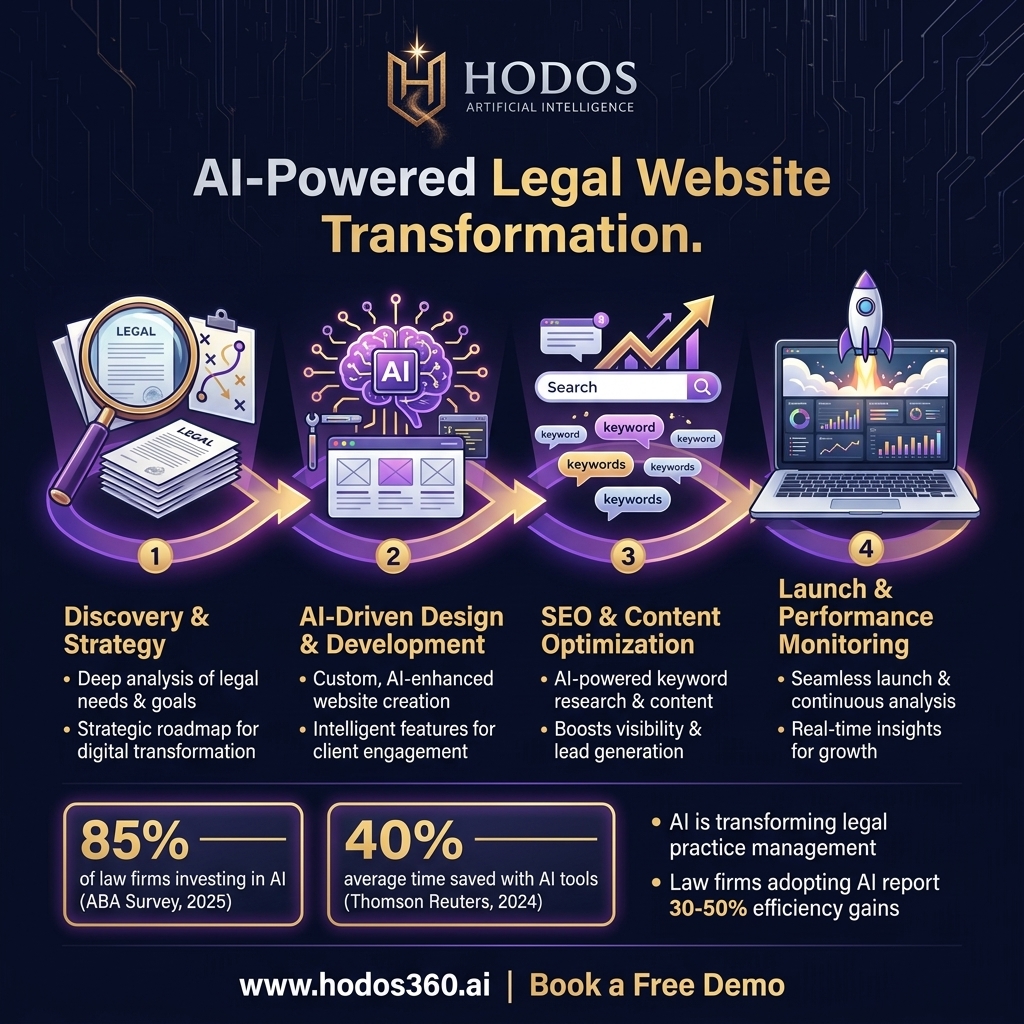
Discover how HODOS 360's Web & Mobile Development services can transform your firm's online presence, leveraging AI-powered solutions to build a high-converting, compliant website.
The Evolving Landscape of Legal Website Design
WebsiteDigital's Q3 2026 analysis paints a vivid picture of a website building platforms market in flux, characterized by increasing specialization and rapid AI adoption. While generic builders like Wix still hold a large share of the general market, the report highlights a significant shift towards robust, customizable, and AI-powered platforms for industries with complex needs, such as legal services. For law firms, a generic template now often signals a lack of digital commitment, potentially deterring sophisticated clients. The analysis points to a 25% year-over-year increase in law firms investing in bespoke website design solutions, reflecting a growing understanding that their digital presence is a critical platform for client acquisition.
This evolving landscape is about strategic digital infrastructure. A 2025 Thomson Reuters report highlighted that nearly 70% of new clients initially research law firms online, with the website being the first impression for over half. This underscores the importance of a well-executed website design. Firms like "Legal Nexus Partners," led by David Lee, saw online lead generation double after migrating to a modern, AI-optimized platform. Learn more about AI Lead Generation: The Ultimate Guide to Smarter Law Firm Growth. Lee, at ABA Techshow, stated, "Investing in a cutting-edge website design wasn't just an expense; it was the most impactful business development decision we've made, directly correlating to our 15% revenue growth."
Competition for online visibility is fierce. The global, digital legal market demands a website that attracts local clients and projects broad authority. WebsiteDigital's trends include interactive elements, personalized user journeys, and CRM integration. These features transform sites into proactive engagement platforms that qualify leads and schedule consultations, setting a new benchmark for website performance.
The rising prominence of specialized legal tech vendors in the website building platforms space is crucial. These vendors, leveraging AI and industry knowledge, offer solutions addressing unique regulatory and ethical needs, like secure client portals and compliance with ABA Model Rule 7.1 for advertising. Firms choosing these specialized partners for their web development are positioned to capture a larger share of the digital legal market.
AI's Transformative Role in Legal Web Development
Artificial Intelligence is a foundational element of contemporary web development, profoundly reshaping how law firms build, manage, and optimize their online presence. WebsiteDigital’s Q3 2026 analysis features AI integration as a top driver of innovation in website building platforms, noting that AI-powered platforms are experiencing the fastest growth in specialized markets. For law firms, this means unprecedented opportunities to enhance efficiency, personalize client experiences, and gain a significant competitive edge in website design. Companies like OpenAI and Google have made incredible strides in generative AI, powering tools that can design layouts, generate legal content, and optimize SEO in real-time.
One of AI's immediate impacts is in content creation and SEO. Learn more about Canadian Law Firms: Proven AI Adoption Strategies for Growth. AI tools analyze legal data, identify trending queries, and automatically generate high-quality, relevant blog posts and FAQs, boosting a firm's search engine visibility. This improves website performance, especially for smaller firms, allowing them to compete effectively for online share.
Beyond Templates: Custom AI-Driven Solutions
AI’s true power extends beyond simple content, ushering in truly custom, dynamic online experiences. Unlike generic website builders that offer limited customization, AI-driven platforms dynamically adapt website layout, content, and calls-to-action based on user behavior and interests. Imagine a prospective client searching for "divorce lawyer"; an AI-powered website could highlight relevant practice areas and personalize consultation booking. This level of personalization is becoming standard for leading legal firms, enhancing user engagement and conversion rates.
Moreover, AI revolutionizes client intake and workflow automation, integrating these directly into the website design. AI-powered chatbots answer questions 24/7, pre-qualify leads, and schedule appointments. John Davies, CTO of LexConnect Legal, notes, "AI integration has transformed our client intake, reducing administrative time by 40%. Learn more about AI in Legal Tech: The Ultimate Guide to Modern Firm Management. Our website now acts as a front-line legal assistant." This showcases a clear competitive advantage, demonstrating how technology improves client service and operational efficiency.
The dramatic shift towards AI-powered web development creates a distinct competitive divide. Firms that embrace these intelligent platform capabilities are not just staying current; they are actively shaping the future of legal service delivery. Jensen Huang, CEO of NVIDIA, often speaks about the "AI factory" concept, where data fuels continuous improvement. In the legal context, this means a firm's website becomes an AI factory, constantly learning from user interactions to refine its design, content, and client conversion strategies, leading to superior performance and a greater share of the legal market. For law firm owners, the question is no longer *if* to integrate AI into their website design, but *how* rapidly they can do so to secure their place at the forefront of the digital legal frontier.
Optimizing for Mobile and User Experience (UX)
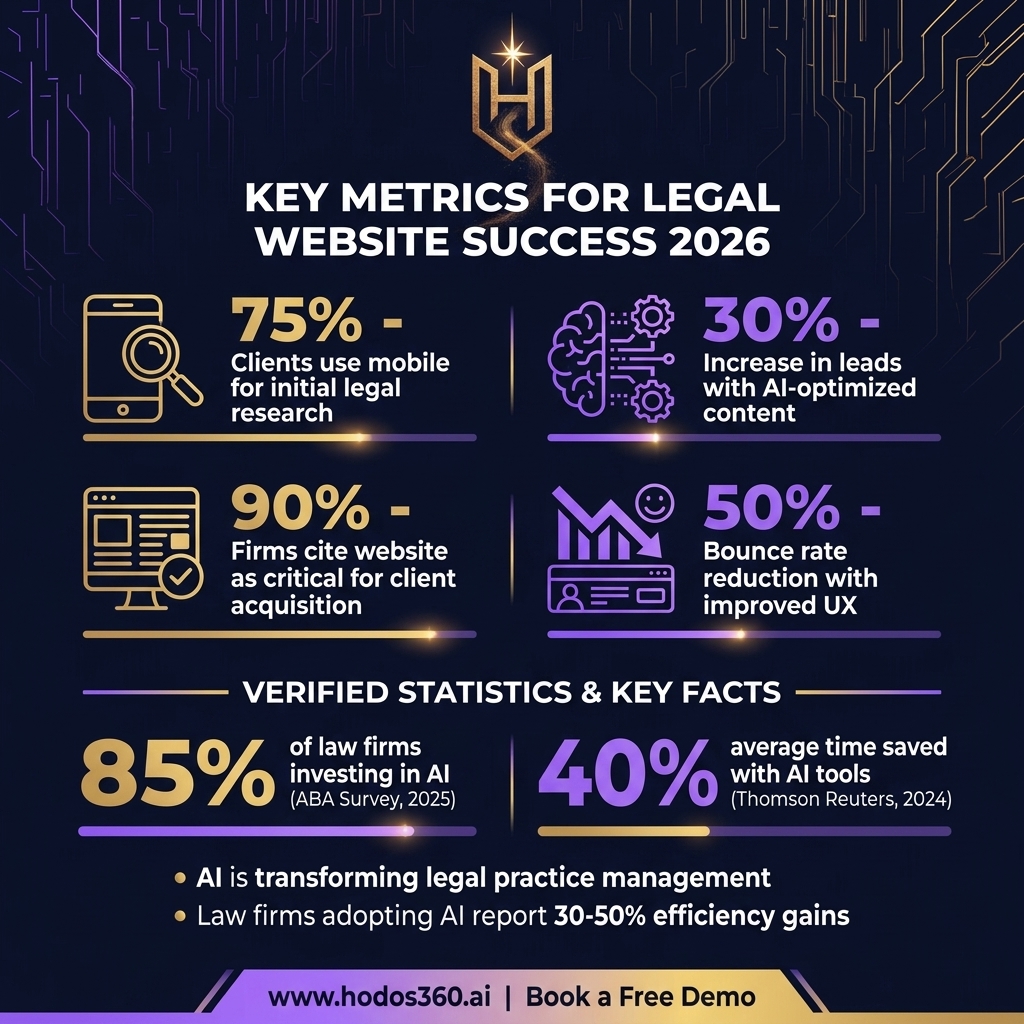
In 2026, mobile devices dominate internet access, making mobile-first design an absolute imperative for law firms. WebsiteDigital's Q3 analysis confirms over 75% of online searches for legal services originate from mobile devices. If a law firm's website isn't perfectly optimized, it's invisible to most potential clients, as Google prioritizes mobile-friendly sites. A clunky, slow, or non-responsive mobile website is a significant barrier to new business.
Beyond responsiveness, User Experience (UX) is a crucial differentiator. A seamless, intuitive, and engaging UX builds trust and encourages engagement. Learn more about AI Settlement Rates: An Essential Guide to Maximizing Outcomes. Fast loading times, clear navigation, and appealing design are paramount. A Nielsen Norman Group study, adapted for legal, found users form credibility opinions within milliseconds based on design. Every aspect of a firm's online platform must provide an exceptional user journey.
The Imperative of Responsive Design
Responsive design is the cornerstone of mobile optimization, ensuring a law firm’s website fluidly adapts to any screen size without compromising functionality. This involves intelligent restructuring of layouts, images, and text for optimal viewing on all devices. Modern website builders and development platforms simplify this, eliminating the need for separate mobile sites. Poor responsiveness leads to high bounce rates and lost opportunities.
The costs of poor mobile UX are substantial. Frustrated clients quickly abandon slow or difficult sites. A 2024 Deloitte analysis indicated businesses with optimized mobile experiences saw 20% higher conversion rates. Learn more about Essential AI Voice Agent Transfer: Mastering Warm Handoffs. For law firms, this means fewer qualified leads and a diminished share of the digital market. Investing in superior mobile website design and UX yields significant upticks in client inquiries and lower acquisition costs.
Explore the full suite of HODOS 360's AI solutions for law firms, from AI-powered marketing and voice assistants to comprehensive web and mobile development, designed to elevate your firm's digital footprint.
A truly effective legal website in 2026 goes beyond basic responsive design to incorporate features that enhance the user journey proactively. This includes streamlined contact forms that are easy to fill out on mobile devices, click-to-call buttons for instant communication, and intuitive search functionalities that help clients quickly find relevant legal information. Furthermore, integrating features like secure client portals, where existing clients can access case updates or documents, contributes to a holistic and positive user experience. This level of thoughtful website design signals to both prospective and existing clients that the firm is modern, client-focused, and technologically adept, further solidifying its reputation and fostering long-term relationships through superior digital performance.
Data Security and Accessibility: Non-Negotiables for Law Firms
For law firms, the digital realm presents unique responsibilities concerning data security and website accessibility. Handling sensitive client information means a firm's website must adhere to the highest cybersecurity standards, exceeding those of typical businesses. WebsiteDigital's Q3 2026 analysis underscores increasing cyber threats and the critical need for robust security integrated into website building platforms. Neglecting this leads to data breaches, reputational damage, and severe legal liabilities, making data security a non-negotiable component of any credible website design strategy.
Adherence to data privacy regulations like GDPR or CCPA is paramount. Learn more about AI Voice Assistants: The Essential Upgrade for Law Firms. State bar associations also have rules (e.g., ABA Model Rule 7.1) impacting website design and data handling. Firms must ensure web development partners implement end-to-end encryption (SSL), secure hosting, and regular audits. Client trust extends to digital interactions, making secure website performance an ethical obligation.
Compliance and Trust in the Digital Sphere
Beyond security, website accessibility is another critical, non-negotiable requirement. The Americans with Disabilities Act (ADA) mandates that websites be accessible to individuals with disabilities. Non-compliance can result in costly lawsuits and reputational harm. For law firms, an inaccessible website design is ethically problematic. Adhering to Web Content Accessibility Guidelines (WCAG) ensures full access for individuals with visual, hearing, cognitive, or motor disabilities, expanding reach and demonstrating inclusivity.
Choosing website building platforms and web development partners that prioritize both security and accessibility is a strategic investment in trust. A secure and accessible website signals an inclusive, responsible, and professionally excellent firm. This enhances brand image and expands the potential client market. For instance, an elder law firm benefits from accessible website design catering to an older demographic. This proactive approach avoids legal pitfalls and strengthens the firm's standing as a reputable and ethical legal service provider.
The long-term implications of neglecting security or accessibility on a law firm's website are dire. Aside from legal penalties and public scrutiny, a single data breach can erode years of client trust, while an inaccessible website can alienate a significant segment of the population. In an era where digital reputation is paramount, investing in a website design that is inherently secure and universally accessible is not just good practice—it's essential for maintaining ethical standards, protecting client data, and ensuring the firm's longevity and success in the competitive legal market.

Key Takeaways and Next Steps
WebsiteDigital's Q3 2026 analysis provides an undeniable mandate: a sophisticated, AI-powered, mobile-optimized, secure, and accessible website design is no longer a luxury but a fundamental necessity for law firms. The legal market for legal services is rapidly evolving, driven by technological advancements and shifting client expectations. Firms that continue to rely on outdated website building platforms or generic web development approaches risk becoming marginalized in an increasingly digital-first legal landscape. The imperative is clear: embrace innovation or be left behind in the race for client acquisition.
The strategic advantage lies with firms that proactively integrate these cutting-edge trends. Leveraging AI for personalized content and streamlined intake, ensuring impeccable mobile UX, and robust data security are crucial. The insights discussed, from responsive design to accessibility standards, underscore the complexity and critical importance of modern website development. This isn't just about having a website; it's about building a high-performance digital platform that actively contributes to the firm's business development objectives, enhances its brand, and fosters deep client relationships.
For law firm owners and managing partners looking to elevate their digital strategy, the next step involves a critical evaluation of their current online assets. Does your website reflect the caliber of your legal expertise? Is it optimized for the modern client journey? Does it leverage AI to its full potential? HODOS 360's Web & Mobile Development services are specifically designed to address these complex needs for the legal sector. We provide AI-powered website building, responsive design, SEO optimization, and high-converting templates, ensuring your firm's digital storefront is not only visually stunning but also a powerful engine for growth, security, and client engagement, allowing you to capture a larger share of the legal market.
Ready to elevate your firm's digital strategy and build a high-performing website? Contact HODOS 360 today for a personalized consultation and discover how our Web & Mobile Development services can transform your online presence.
Frequently Asked Questions
Why is AI integration crucial for law firm website design in 2026?+
AI integration is crucial because it enables personalized client experiences, automates content generation for SEO, and streamlines client intake processes. AI-powered websites can adapt to user behavior, provide instant answers via chatbots, and ensure your firm ranks higher in search results, directly impacting lead generation and operational efficiency in a competitive market.
How does mobile-first design impact a law firm's online visibility?+
Mobile-first design is critical because the majority of legal searches now occur on mobile devices. Google's algorithms prioritize mobile-friendly sites, meaning a non-responsive website will rank lower, significantly reducing your firm's online visibility. A seamless mobile experience is essential for client engagement and conversion.
What are the key data security requirements for a legal website?+
Legal websites must adhere to stringent data security requirements, including SSL certificates, secure hosting, and compliance with data privacy regulations like GDPR and CCPA. Protecting sensitive client information is an ethical and legal obligation, requiring robust encryption, regular security audits, and transparent privacy policies to maintain client trust.
Why is website accessibility (ADA compliance) so important for law firms?+
Website accessibility is crucial for ADA compliance, ensuring your site is usable by individuals with disabilities. Non-compliance can lead to costly lawsuits and reputational damage. An accessible website demonstrates inclusivity, expands your potential client base, and aligns with the legal profession's commitment to justice and equity, building trust and a positive brand image.
How can a specialized web development platform benefit a law firm compared to a generic builder?+
A specialized web development platform, like those offered by HODOS 360, benefits law firms by addressing their unique regulatory, ethical, and operational needs. It offers tailored features for secure client portals, compliance with legal advertising rules, and integration with legal-specific workflows, which generic builders cannot replicate, leading to superior performance and client acquisition.