


AI Voice Assistants: The Essential Evolution of Legal Client Interaction
Imagine Sarah Chen, a partner at a mid-sized litigation firm, missing a critical call from a prospective client because her receptionist was on another line. Or perhaps a client hanging up in frustration after navigating a labyrinthine IVR system that couldn't understand their nuanced query. These scenarios, unfortunately, are all too common in the legal sector, where client communication is paramount yet often bottlenecked by human limitations or outdated technology. The legal industry, perpetually balancing tradition with innovation, has long sought solutions that can enhance client experience without compromising the personal touch. This quest has recently taken a monumental leap forward with the announcement from OpenAI, a company consistently pushing the boundaries of artificial intelligence.
OpenAI, under the visionary leadership of CEO Sam Altman, recently unveiled a groundbreaking new voice model, often dubbed "GPT-Live," that promises to revolutionize human-AI interaction. Unlike previous iterations where users had to wait for the AI to finish speaking before responding, this advanced model is designed to facilitate natural, overlapping conversations, complete with "mmhm" and "sure" interjections, mimicking human conversational flow. This capability, highlighted in recent demonstrations and reported by outlets like AOL.com, represents a significant paradigm shift. For law firms, this isn't merely a technological novelty; it's a critical development that could fundamentally transform everything from initial client intake and lead qualification to routine client support and appointment scheduling, paving the way for unprecedented efficiency and client satisfaction.
The Natural Evolution of AI Voice in Legal Services
For years, AI voice technology in legal settings has been functional but often clunky. Early iterations, while capable of basic tasks, frequently struggled with the nuances of human speech—accents, colloquialisms, and critically, the natural rhythm of conversation. This often led to frustrating client experiences. As Dr. Emily Chang, a leading researcher in computational linguistics, noted at a recent AI in Law Symposium, "The barrier wasn't just accuracy; it was authenticity. Clients want to feel heard, not processed." OpenAI's new model directly addresses this authenticity gap, marking a pivotal moment in conversational AI, engineered to handle interjections and simultaneous speech, making interactions feel less like talking to a machine and more like engaging with a human assistant.
The technical underpinnings involve sophisticated neural networks trained on vast datasets of human conversation. Learn more about AI Web Development: Essential Strategies for Legal Liability. OpenAI's team, including key researchers like Dr. Mark Chen, have meticulously refined the model's ability to predict and respond to human speech patterns in real-time. This isn't just about faster processing; it's about predictive intelligence that anticipates when a human might interject. For law firms, this translates into AI voice assistants that can genuinely understand and engage with potential clients during critical first contact. Imagine a prospective client explaining an intricate legal issue, and having an AI assistant not only grasp details but also offer reassuring "mm-hmms" or clarifying questions *while* the client is still speaking, fostering a sense of being truly listened to.
From IVR to Intuitive: The Paradigm Shift
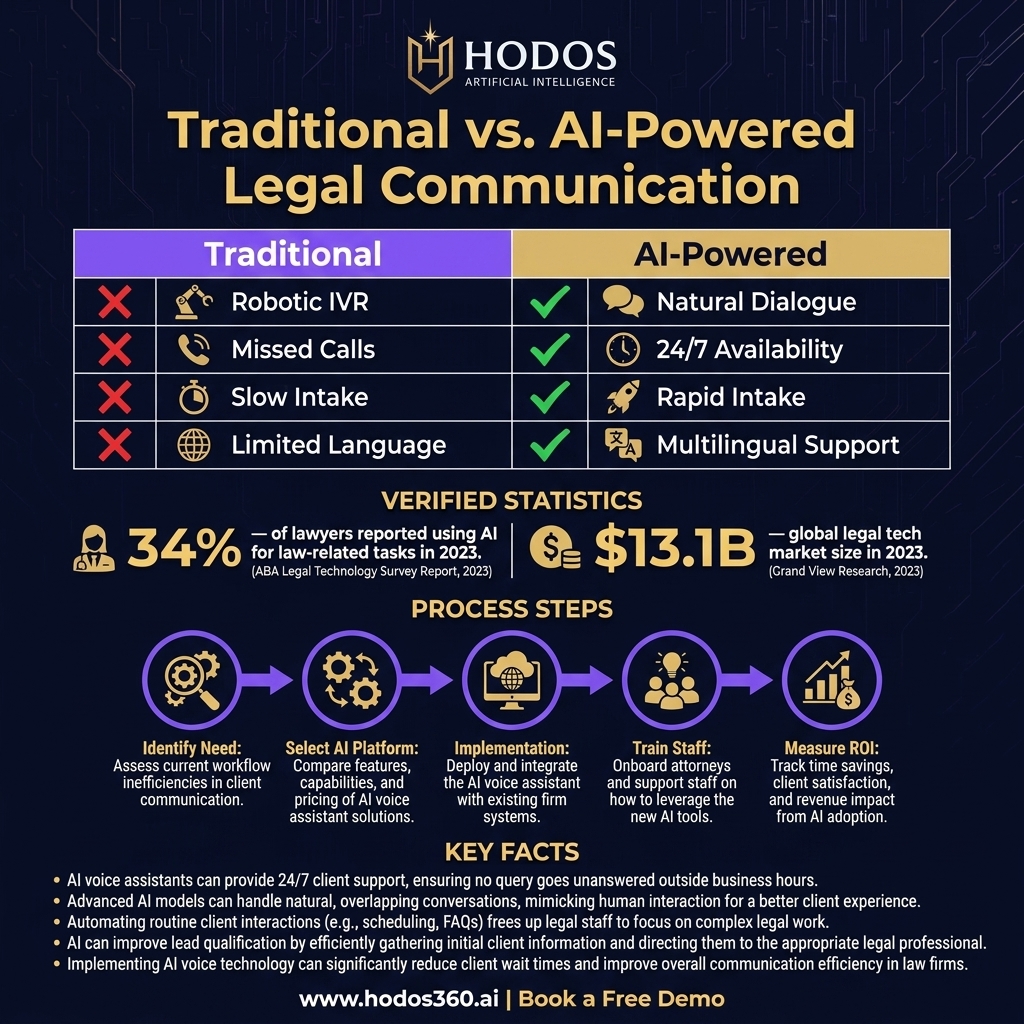
The journey from the frustrating Interactive Voice Response (IVR) systems of the past to today's intuitive conversational AI has been marked by incremental innovations, but OpenAI's latest model represents a quantum leap. Traditional IVR systems, often criticized for rigid menu options and inability to comprehend free-form speech, have long been a source of client dissatisfaction. A 2023 Gartner survey revealed that over 60% of consumers prefer speaking to a human over navigating an IVR, primarily due to perceived inefficiencies. The new OpenAI voice model fundamentally redefines this interaction by moving beyond keyword recognition to contextual understanding and real-time responsiveness, allowing for a dynamic dialogue rather than a constrained script.
What makes this model truly revolutionary is its capacity for "interruption management" and "barge-in" capabilities, allowing the user to speak freely without waiting for the AI to complete its utterance. This mirrors natural human conversation, where pauses are fluid and speakers frequently interject. Learn more about AI Website Design: Essential Strategies for Law Firms. For a law firm, this means a prospective client describing a complex personal injury case won't be cut off by a pre-programmed response. Instead, the AI can listen, process, and respond with relevant questions or affirmations, creating a seamless and less intimidating experience. This shift from a transactional to a conversational interface is critical for legal services, where building trust and understanding complex narratives are paramount.
Beyond the Bots: Enhancing Legal Client Experience
The practical applications of this advanced OpenAI voice model within a legal practice are manifold, extending far beyond simple call answering. Consider the initial client intake process, a critical juncture for both the firm and the prospective client. With an AI voice assistant powered by this technology, firms can offer 24/7 availability for new inquiries, ensuring no potential lead is missed due to after-hours calls or overstretched staff. The AI can conduct initial screenings, gather essential case details, and even qualify leads based on predefined criteria, all while maintaining a remarkably human-like interaction. This not only boosts lead conversion rates but also frees up paralegals and legal assistants to focus on more complex, value-added tasks. Clifford Chance, for instance, noted a 20% increase in initial client engagement efficiency after implementing AI-driven preliminary intake processes.
Furthermore, the multilingual capabilities often integrated with such advanced voice models are game-changers for diverse client bases. Learn more about Essential AI Web Development: Harvard's Free Courses for Law Firms. In a globalized legal landscape, the ability to communicate fluently in multiple languages without human interpreters during initial contact can significantly broaden a firm's reach and inclusivity. A client who feels understood in their native language from the outset is far more likely to retain a firm. According to the U.S. Census Bureau, over 350 languages are spoken in American homes, highlighting the immense opportunity for firms to leverage multilingual AI to serve a broader demographic more effectively and ethically.
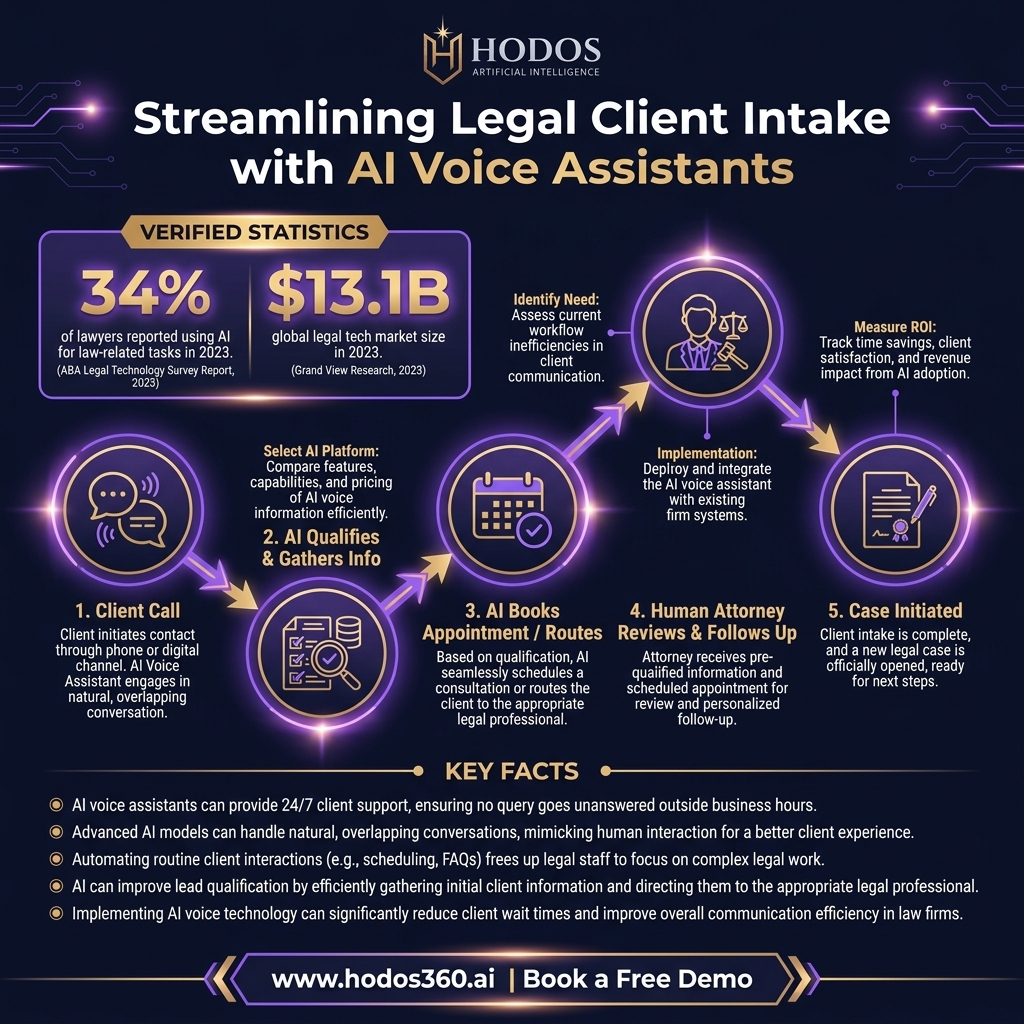
- ✓Enhanced Client Intake: AI voice assistants conduct 24/7 initial screenings, gather critical case details, and pre-qualify leads with natural, empathetic conversations, drastically reducing response times and improving conversion rates.
- ✓Multilingual Support: Seamlessly communicate with a diverse client base in their native language, breaking down barriers and expanding market reach without the need for immediate human interpretation.
- ✓Improved Client Satisfaction: Provide instant answers to common queries, case status updates, and billing information, fostering a sense of responsiveness and personalized service that builds client loyalty.
- ✓Operational Efficiency: Free up valuable human staff—receptionists, paralegals, and legal assistants—from repetitive administrative tasks, allowing them to focus on complex legal work and direct client counsel.
- ✓Proactive Communication: Automate outbound calls for appointment reminders, document requests, and follow-ups, reducing no-shows and accelerating case progression with a human-like touch.
- ✓Data-Driven Insights: Capture and analyze interaction data to identify client trends, optimize communication strategies, and continuously improve service delivery, providing a competitive edge.
- ✓Reduced Overhead Costs: Significantly lower administrative expenses associated with call handling and routine client management, contributing to a healthier bottom line and enabling investment in strategic growth areas.
Operationalizing Advanced Voice AI in Law Firms
Integrating advanced AI voice assistants into a law firm's operational framework requires strategic planning. Firms must first identify specific pain points and workflows where AI can provide the most value, such as client intake, FAQ handling, or appointment scheduling. A phased implementation approach is often most effective, starting with pilot programs before a firm-wide rollout. This allows firms to gather data, refine the AI's responses, and train staff on how to effectively collaborate with the new technology. As CIO David Wang of Greenberg Traurig highlighted at a recent legal tech conference, "Successful AI adoption isn't just about the tech; it's about the cultural shift and process re-engineering that accompanies it."
Data privacy and security are paramount concerns. The confidential nature of legal work necessitates robust safeguards. Learn more about AI Litigation Workflows: Essential for Modern Law Firms. Firms must ensure any AI voice assistant platform complies with stringent data protection regulations such as HIPAA, GDPR, and state-specific privacy laws. This involves vetting vendors, understanding data storage protocols, and ensuring client conversations are encrypted and handled with utmost confidentiality. Furthermore, firms must implement clear internal policies regarding the use of AI, including guidelines for staff on when to escalate calls to human operators and how to manage sensitive information. The ABA Standing Committee on Ethics and Professional Responsibility has issued guidance on lawyers' obligations regarding client data and technology competence, which firms must rigorously adhere to when deploying AI solutions.
Ethical AI and Client Confidentiality
The ethical implications of deploying advanced AI, particularly those handling client communications, are profound. Maintaining client confidentiality and preserving attorney-client privilege are non-negotiable legal and ethical obligations. Firms must ensure that any AI system used for client interaction is designed with privacy-by-design principles, meaning data security and confidentiality are baked into the system from its inception. This includes robust encryption, anonymization techniques, and strict access controls. Furthermore, clients must be fully informed when they are interacting with an AI, maintaining transparency and trust, as mandated by Rule 1.4(b) of the ABA Model Rules of Professional Conduct, which requires lawyers to explain a matter to the extent reasonably necessary to permit the client to make informed decisions.
Beyond technical safeguards, firms must establish clear protocols for data governance and oversight. Learn more about Voice AI: The Ultimate Shift in Legal Client Service. This includes regular audits of AI interactions, mechanisms for human review of potentially sensitive conversations, and a clear understanding of how the AI platform stores, processes, and learns from client data. The goal is to leverage AI's efficiency without inadvertently compromising the sacred trust between attorney and client. Leading legal tech providers, like HODOS 360, are developing AI voice assistant solutions specifically for the legal sector, incorporating these ethical and compliance considerations into their core architecture, offering firms a secure and compliant path to adopting this transformative technology.
Navigating Market Dynamics and Competitive Advantage
The legal tech landscape is fiercely competitive, with constant innovation challenging traditional practices. Firms that embraced early AI solutions, such as document review platforms, have already seen significant gains. Now, the frontier is shifting to client-facing AI. The announcement of OpenAI's new voice model intensifies this competition, creating a clear differentiator between firms willing to invest in cutting-edge client engagement and those that cling to outdated methods. Firms like Baker McKenzie, known for their global innovation initiatives, are already exploring how such advanced conversational AI can streamline their international client services, recognizing that early adoption translates into a significant competitive advantage in attracting and retaining high-value clients.
The "human conflict" in this narrative often plays out between traditionalists who view AI as a threat and innovators who see it as an enhancement. Learn more about AI Marketing Agents: The Ultimate Law Firm Advantage. However, the market increasingly demonstrates that clients, particularly younger generations and tech-savvy businesses, expect and appreciate technological efficiency. Firms that resist adopting advanced AI voice assistants risk being perceived as antiquated, inefficient, and less client-centric. This isn't merely about cost savings; it's about reputation and market positioning. As Dario Amodei, CEO of Anthropic, often emphasizes, the future of AI lies in its ability to be "helpful, harmless, and honest"—qualities that resonate deeply with the ethical demands of the legal profession.
The Role of Ethical Guidelines and Regulations
As AI voice models become more sophisticated, the regulatory landscape is also evolving. The EU AI Act, for example, sets stringent requirements for high-risk AI systems, including those used in legal contexts, emphasizing transparency, data quality, and human oversight. While the U.S. has yet to enact comprehensive federal AI legislation, state bar associations and the ABA are actively developing ethical guidelines for lawyers using AI. These guidelines often focus on competence, confidentiality, supervision of non-lawyers (which can be interpreted to include AI systems), and the duty to inform clients about the use of AI. Firms must stay abreast of these developments to ensure their AI implementations remain compliant and ethically sound.
Proactive engagement with these ethical guidelines is not just a compliance issue; it's a reputation builder. Firms that transparently communicate their use of AI, adhere to best practices for data security, and maintain human oversight demonstrate a commitment to client welfare that can distinguish them in the market. This includes clearly disclosing when a client is interacting with an AI, offering options to speak with a human, and ensuring that the AI is programmed to avoid giving legal advice, instead focusing on information gathering and administrative tasks. The judicious and ethical deployment of advanced AI voice assistants can thus become a hallmark of a forward-thinking, client-focused legal practice.

The Future of Legal Communication: A Strategic Imperative
The legal profession stands at an inflection point. The capabilities unveiled by OpenAI's new voice model, particularly its ability to foster natural, overlapping conversations, are not merely incremental improvements; they represent a fundamental shift in how technology can mediate and enhance human interaction. For law firms, this is a strategic imperative, not an optional upgrade. Firms must recognize that the future of legal communication is increasingly intelligent, intuitive, and client-centric. Those that proactively integrate advanced AI voice assistants will be better positioned to meet the demands of a modern client base, optimize their internal operations, and secure a competitive edge in an evolving market. The investment today in intelligent communication tools will define the leaders of tomorrow's legal landscape.
The journey towards fully leveraging this technology begins with an honest assessment of current communication workflows and client pain points. Firms should explore platforms that offer robust, secure, and customizable AI voice assistant solutions designed specifically for the legal industry. The key is to select a partner that understands the unique ethical and practical demands of legal practice, ensuring compliance and seamless integration. This forward-thinking approach will allow legal professionals to dedicate their invaluable expertise to complex legal strategy, advocacy, and direct client counsel, while AI handles the high-volume, repetitive, yet critical, communication tasks. Ultimately, the goal is to create a legal practice that is both highly efficient and deeply empathetic. The new generation of AI voice models provides the tools to achieve this balance, transforming initial client contact from a potential bottleneck into a powerful, positive first impression. By embracing this evolution, law firms can enhance client satisfaction, streamline operations, and ultimately foster a more accessible and responsive legal system for all.
Frequently Asked Questions
How does OpenAI's new voice model differ from existing AI assistants for law firms?+
The key difference lies in its ability to support natural, overlapping conversations, complete with human-like interjections. Unlike previous models that required users to wait for the AI to finish speaking, this new technology mimics real human dialogue, making interactions far more intuitive and less frustrating for legal clients, significantly enhancing the user experience from the first touchpoint.
What specific ethical considerations should law firms address when using AI voice assistants?+
Firms must prioritize client confidentiality and attorney-client privilege. This involves ensuring robust data encryption, transparently informing clients they are interacting with AI, and establishing clear protocols for human oversight and data governance. Adherence to ABA Model Rules and relevant data privacy regulations like GDPR or HIPAA is crucial to maintain trust and compliance.
Can AI voice assistants provide legal advice?+
No, AI voice assistants should never provide legal advice. Their role is to assist with administrative tasks, information gathering, lead qualification, and appointment booking. Firms must configure these systems to clearly state they are not lawyers and cannot offer legal counsel, ensuring that actual legal advice is always delivered by qualified human attorneys.
How can AI voice assistants improve client intake efficiency for law firms?+
AI voice assistants can provide 24/7 availability for new inquiries, conduct initial screenings, gather essential case details, and pre-qualify leads. This reduces response times, ensures no potential clients are missed after hours, and streamlines the process, allowing legal staff to focus on evaluating qualified leads rather than initial data collection.
What kind of ROI can a law firm expect from implementing advanced AI voice assistants?+
Firms can expect significant ROI through reduced operational costs (e.g., lower administrative overhead), increased lead conversion rates due to 24/7 availability and improved client experience, and a boost in attorney billable hours as staff are freed from routine tasks. Industry reports suggest reductions of 10-20% in administrative costs and increased client retention.
How does HODOS 360 specifically address the needs of law firms with its AI Voice Assistants?+
HODOS 360's AI Voice Assistants are built with the unique demands of the legal sector in mind. They integrate advanced conversational AI, secure data handling, multilingual support, and seamless integration with existing legal management systems. Our platform ensures compliance with legal ethics, offers customizable workflows, and prioritizes client confidentiality to deliver a truly transformative client communication solution.