
AI SEO Marketing: Ultimate Guide for Law Firm Growth
The digital landscape for legal services has never been more competitive. For years, firms like 'Sterling & Associates,' a respected mid-sized practice in Chicago, struggled to keep pace with the aggressive online marketing strategies of larger competitors. Despite their stellar legal reputation, partners like Sarah Chen found their phone lines quieter, their website traffic stagnant, and their client acquisition costs soaring. This struggle isn't unique; it highlights a critical tension between traditional legal excellence and the imperative of modern digital visibility. The chasm between established practices and digital prowess often feels insurmountable, leaving many firms feeling left behind in the race for new clients.
The advent of sophisticated AI SEO Marketing tools is now bridging this gap, offering a lifeline to firms like Sterling & Associates. The recent launch of rankingCoach's BeyondSEO AI Marketing Plugin for WordPress, as reported by StreetInsider, signifies a pivotal moment. This isn't just another incremental update; it represents a fundamental shift in how law firms can approach their online presence, from search engine optimization to comprehensive digital engagement. This development, alongside other innovations in legal AI, empowers even smaller and mid-sized firms to compete on a level playing field, transforming how they attract, engage, and retain clients in a crowded market. The narrative is shifting from a struggle for visibility to an era of strategic, AI-powered growth, promising a future where digital dominance is within reach for any firm willing to adapt.
The Rise of AI SEO Marketing in the Legal Sector
The legal industry's approach to client acquisition has undergone a seismic shift, moving from traditional referrals and print advertising to a digital-first imperative. Data from the 2023 ABA Legal Technology Survey Report underscores this transformation, revealing that nearly 60% of law firms identified 'attracting new clients' as their top marketing challenge, yet only a meager 15% felt 'very effective' at online marketing. This disparity highlights a significant opportunity for disruption. Enter AI SEO Marketing, a paradigm-shifting approach that leverages artificial intelligence to optimize online content, improve search engine rankings, and ultimately, drive more qualified leads to law firms. Learn more about AI Legal Management: The Essential Build vs. Buy Strategy. It's about more than just keywords; it's about understanding client intent, predicting search trends, and generating highly relevant, authoritative content at an unprecedented scale and speed. Firms that once spent countless hours and significant budgets on manual SEO audits and content creation are now finding efficient, AI-powered alternatives that deliver superior results.
The competition in legal search results has intensified dramatically. With platforms like Google continually refining their algorithms, including the controversial introduction of AI Overviews, the need for sophisticated optimization has never been greater. These AI Overviews, which some industry reports suggest can cut organic click-through rates on top-ranking pages by as much as 58%, force law firms to re-evaluate their entire SEO strategy. This shift isn't just about adapting; it's about anticipating. As Dr. Learn more about AI Marketing: The Essential Legal Firm Growth Blueprint. Nicole Forsgren, a renowned researcher in software delivery and organizational performance, often emphasizes, efficiency gains from automation are no longer optional but foundational for competitive advantage. In the legal context, this means leveraging AI to not only rank higher but to dominate the search landscape, ensuring that when potential clients search for legal services, your firm is not just present, but prominent. The firms that embrace this proactive AI-driven approach are already seeing a significant lead over their more traditional counterparts, turning the challenge of digital visibility into a strategic asset.
The narrative of 'AI is coming' has fully transitioned to 'AI is here.' Companies like OpenAI, led by CEO Sam Altman, and Anthropic, co-founded by Dario Amodei, have pushed large language models to capabilities that were unimaginable just a few years ago. These foundational models are now being integrated into specialized marketing tools, democratizing access to advanced SEO capabilities. For law firms, this means AI can analyze vast datasets of legal queries, identify emerging practice area trends, and even draft compelling, SEO-optimized blog posts or website copy. Learn more about AI Website Design: Essential Strategies for Law Firms. This isn't about replacing human legal expertise but augmenting it, allowing attorneys to focus on casework while AI handles the intricate, data-intensive tasks of digital marketing. The result is a more efficient, cost-effective, and ultimately, more successful client acquisition funnel, fundamentally altering the economics of legal practice marketing and presenting a compelling case for immediate adoption among forward-thinking firms.
This evolution is not without its ethical considerations, particularly in the legal field. The American Bar Association's Model Rules of Professional Conduct, specifically Rule 7.1 concerning communications about a lawyer's services, demands that any marketing be truthful and not misleading. AI-generated content must adhere to these stringent standards, requiring careful oversight and human review. Firms must ensure that while AI boosts their visibility, it does so responsibly, maintaining the integrity and professionalism expected of the legal profession. Learn more about AI and Junior Lawyers: The Ultimate Guide to Thriving. The development of specialized AI tools, such as the rankingCoach BeyondSEO plugin for WordPress, aims to provide a structured framework for this, offering automated optimizations that still require human input for accuracy and compliance. This blend of AI efficiency and human ethical oversight is crucial for successful and sustainable AI SEO Marketing in law firms, ensuring that technological advancement aligns with professional responsibility.
Navigating the AI Marketing Plugin Landscape for Law Firms
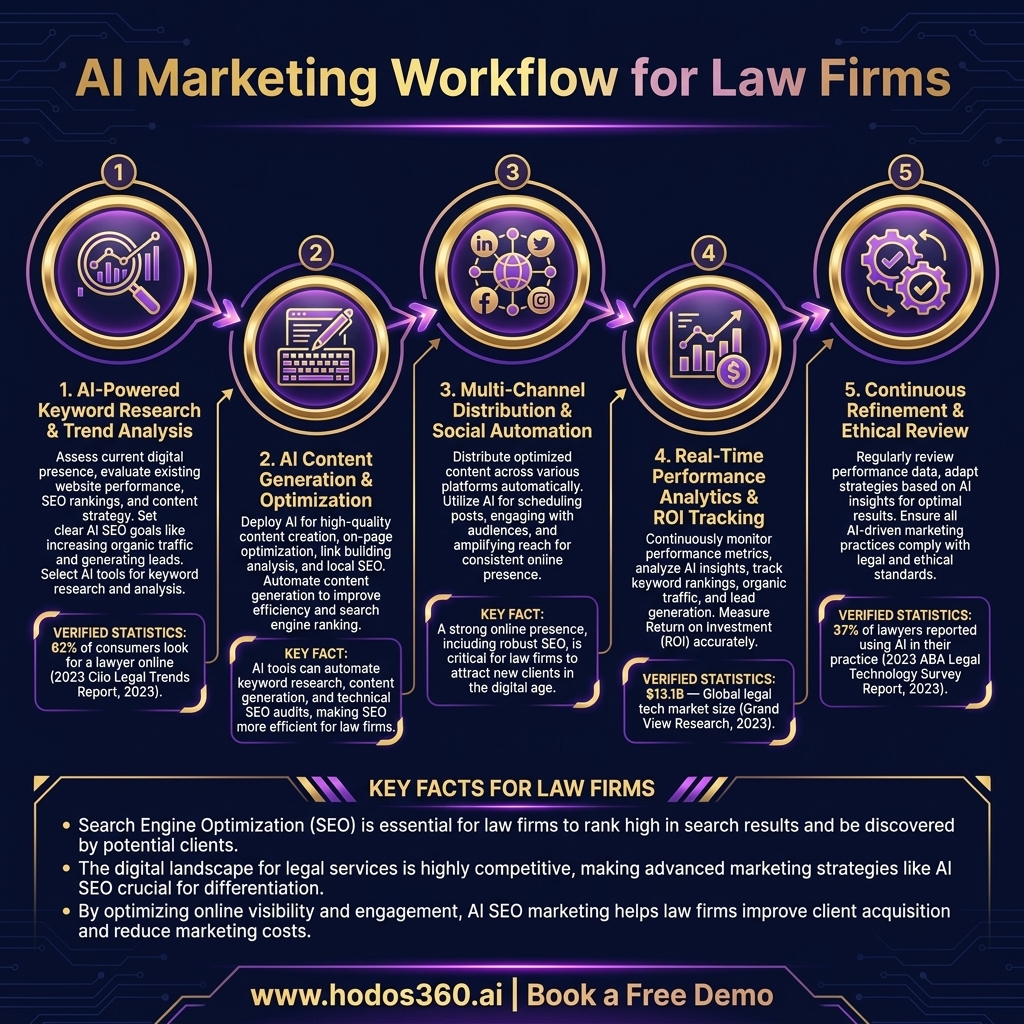
The market for AI Marketing plugins is rapidly expanding, presenting both opportunities and complexities for law firms. General-purpose tools like rankingCoach's BeyondSEO, which recently launched as a default placement on WordPress through a partnership with Extendify, offer a broad spectrum of AI-driven SEO capabilities. These plugins typically provide features such as AI-powered keyword research, content optimization suggestions, local SEO tools crucial for firms targeting specific geographies, and even automated social media posting. Learn more about AI Adoption: The Ultimate Guide for Law Firm Success. For a law firm, the ability to generate 2000+ word articles in minutes, as some AI content tools claim, or to receive real-time visibility scores, can dramatically reduce the marketing workload and accelerate content deployment. The key for legal professionals lies in discerning which features are most relevant to their unique needs and how these tools can be integrated into their existing digital infrastructure without compromising data security or ethical guidelines.
While general plugins provide a strong foundation, the legal industry's unique requirements often necessitate a more tailored approach. Firms must contend with highly specialized terminology, stringent regulatory frameworks, and the need to convey authority and trust. This is where the distinction between broad marketing AI and legal-specific AI becomes crucial. Companies like LexisNexis and Thomson Reuters, through their extensive legal databases and AI research, are developing tools that understand the nuances of legal language and ethical compliance. Learn more about Essential AI Web Development: Harvard's Free Courses for Law Firms. For instance, an AI SEO tool specifically trained on legal case briefs and statutes might be more adept at identifying high-value, niche keywords related to specific legal doctrines or emerging legislation, offering a competitive edge that generic tools might miss. The challenge for law firms is to evaluate whether a general-purpose plugin offers sufficient customization or if an investment in a legal-specific AI marketing platform is warranted to achieve truly superior results and maintain legal integrity.
The integration of AI marketing plugins into a law firm's existing WordPress site, for example, requires careful consideration. BeyondSEO's default placement through Extendify streamlines initial setup, but firms must still ensure compatibility with other plugins, themes, and security protocols. A critical aspect is data privacy, especially concerning client information. While marketing plugins primarily deal with public-facing content and analytics, the broader implications of AI processing data necessitate adherence to regulations like the GDPR, CCPA, and evolving state privacy laws. Law firms, bound by strict confidentiality rules (e.g., ABA Model Rule 1.6), must exercise due diligence in vetting any AI tool for its data handling practices. The "black box" nature of some AI algorithms also raises questions about transparency and accountability, requiring firms to understand how these tools arrive at their recommendations and to maintain human oversight to ensure accuracy and ethical compliance in all public communications.
Moreover, the effectiveness of any AI marketing plugin is directly tied to the quality of its implementation and the strategic oversight of the firm. It's not a 'set it and forget it' solution. Firms must continuously monitor performance metrics, analyze ROI, and adapt their strategies based on AI-generated insights. This involves understanding analytics dashboards, interpreting keyword ranking shifts, and refining content based on engagement data. The narrative of 'Innovate Legal P.C.,' a boutique firm specializing in intellectual property, serves as a compelling case study. By strategically deploying an AI SEO plugin and dedicating a marketing paralegal to oversee its output and integrate it with their overall digital strategy, they saw a 25% increase in qualified leads within a year, demonstrating that technological adoption combined with human expertise yields the most significant dividends. Their success underscores the need for a hybrid approach where AI enhances, but does not replace, human strategic thinking and ethical vigilance.
Beyond SEO: Comprehensive AI Marketing for Legal Practices
While SEO remains a cornerstone of digital visibility, a truly comprehensive AI marketing strategy for law firms extends far beyond simple keyword optimization. Modern legal clients engage across multiple platforms, from social media to review sites, demanding a consistent and compelling brand presence. This holistic approach encompasses AI-driven social media automation, enabling firms to schedule, optimize, and analyze their posts across LinkedIn, Twitter, and even emerging legal-specific networks. It also includes AI video creation, allowing firms to quickly produce engaging, short-form content for platforms like YouTube and Instagram, a strategy championed by digital marketing experts like Neil Patel for its high engagement rates. Furthermore, reputation management, powered by AI that monitors online reviews and sentiment, becomes critical. The ability to track and respond to client feedback, whether on Google My Business or specialized legal directories, can significantly impact a firm's perceived trustworthiness and appeal, directly influencing client conversion.
The integration of these diverse AI marketing components culminates in a powerful, unified platform capable of delivering unparalleled insights and efficiency. Consider the capabilities offered by a comprehensive AI Marketing Platform like HODOS 360. Such platforms are designed to unify various marketing efforts, from content generation and social media automation to sophisticated analytics and ROI tracking. This means a law firm can not only generate high-ranking content but also propagate it effectively across all relevant channels, measure its impact in real-time, and refine future campaigns based on concrete data. This integrated approach allows for a level of strategic coherence that was previously unattainable for most firms, transforming disparate marketing activities into a cohesive, client-centric engine for growth. A recent Gartner report indicated that by 2026, 80% of marketers will be using AI to generate content, up from 30% in 2023, underscoring the rapid adoption and necessity of these integrated tools.
Leveraging AI for Enhanced Client Engagement and Analytics
Beyond content creation and distribution, AI excels at understanding and predicting client behavior. Through advanced analytics, AI marketing platforms can provide granular insights into which marketing channels are generating the highest quality leads, what types of content resonate most with specific client demographics, and even predict future legal service demands. This level of data-driven intelligence allows law firms to move away from guesswork and towards precision marketing, optimizing their spend and maximizing their return on investment. For example, a firm specializing in family law might discover through AI analytics that short, empathetic video testimonials on Instagram yield higher conversions than lengthy blog posts on LinkedIn for a certain client segment. This insight can then inform future content strategies, ensuring resources are allocated where they will have the greatest impact. The ability to track ROI in real-time, a feature often integrated into advanced AI platforms, provides an unprecedented level of accountability and strategic agility for legal marketing efforts.
Furthermore, AI can personalize client outreach in ways that were once unimaginable, all while respecting ethical boundaries. By analyzing publicly available data and past interactions, AI can help tailor email newsletters, website experiences, and even ad campaigns to individual prospective clients, making their journey to your firm feel more bespoke and relevant. This isn't about intrusive data mining, but about intelligently presenting the most relevant legal solutions to individuals based on their expressed interests and needs. This personalized approach fosters stronger connections and builds trust even before initial contact is made. The narrative of 'Connect Legal,' a startup firm that leveraged AI to personalize its outreach campaigns, resulted in a 40% higher engagement rate compared to its competitors using generic email blasts. Their success underscores the power of AI to create more meaningful, individual interactions at scale, proving that technology can enhance the human element of legal service provision.
Implementing AI Marketing for Sustainable Law Firm Growth
The journey to integrating AI Marketing into a law firm's operations requires a strategic, phased approach. It begins with an assessment of current marketing pain points and identifying areas where AI can provide the most immediate impact, whether it's content generation, SEO optimization, or social media management. Firms should start by piloting specific AI tools, perhaps beginning with an AI SEO plugin for their WordPress site, to understand its capabilities and limitations in a controlled environment. Training staff, particularly marketing teams and paralegals, is paramount. They need to understand not only how to operate these tools but also how to critically evaluate AI-generated outputs for accuracy, legal compliance, and brand voice. The competitive advantage for early adopters is undeniable; firms that hesitated in adopting earlier digital marketing trends often found themselves playing catch-up, a scenario that is even more pronounced with the rapid evolution of AI.
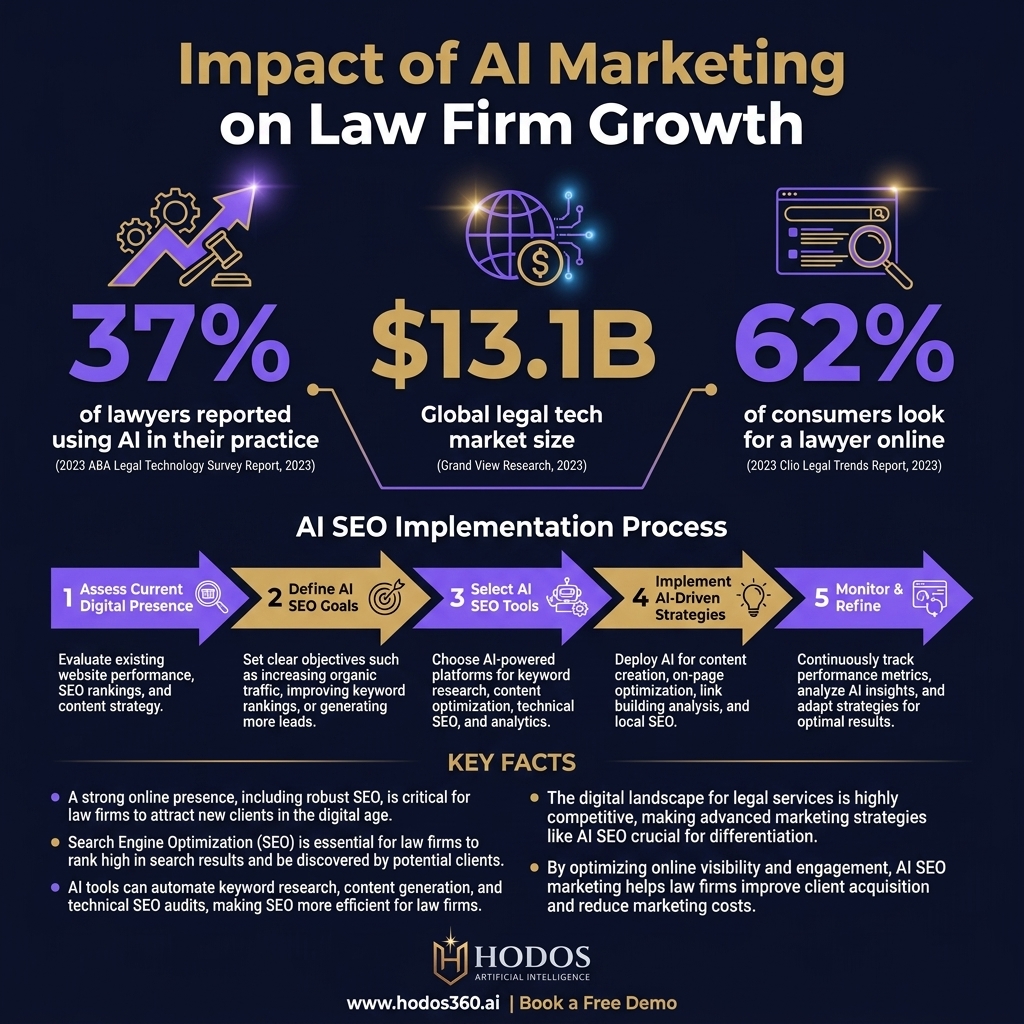
One of the most compelling aspects of AI marketing is its ability to deliver measurable, sustainable growth. Unlike traditional marketing methods where ROI can be elusive, AI platforms provide granular data on everything from keyword performance to conversion rates, allowing firms to optimize their spend continuously. The contrast between firms that resist AI and those that embrace it is stark. Consider 'Legacy Law LLP,' a firm that saw a distressing 30% decline in new client inquiries over two years, largely due to an outdated digital presence and a reluctance to invest in new technologies. Their story serves as a cautionary tale, illustrating the cost of inaction. In stark contrast, 'Innovate Legal P.C.,' a firm that strategically leveraged AI tools across its marketing stack, reported a 25% increase in market share and a significant reduction in client acquisition costs in the same period. This dramatic difference highlights the 'human conflict' element in legal tech adoption: the tension between preserving tradition and embracing disruptive innovation for survival and growth.
Ethical AI Use and Compliance in Legal Marketing
While the benefits of AI marketing are clear, law firms must navigate a complex ethical and compliance landscape. The use of AI in generating content or personalizing outreach raises questions about transparency, fairness, and potential bias. Firms must ensure that AI-generated content does not inadvertently create misleading impressions or violate Federal Rule of Civil Procedure 11 concerning truthful representations. This requires robust internal policies for reviewing AI outputs, ensuring that all communications about legal services are accurate, factual, and compliant with state bar rules and advertising regulations. The evolving discussions around legislation like the EU AI Act, while primarily focused on high-risk AI systems, set a global precedent for AI governance, emphasizing transparency and human oversight. Law firms must proactively develop frameworks that balance AI efficiency with their professional obligations, ensuring that technological advancement never compromises the integrity of legal practice or client trust.
- ✓Start Small, Scale Smart: Begin with a specific AI tool (e.g., an AI SEO plugin for WordPress) and expand as your team gains proficiency and confidence.
- ✓Prioritize Data Security and Privacy: Vet all AI vendors for their data handling practices and ensure compliance with legal ethics rules and privacy regulations.
- ✓Invest in Training: Equip your marketing team and legal professionals with the knowledge to effectively use AI tools and critically evaluate their outputs.
- ✓Maintain Human Oversight: AI is a powerful assistant, not a replacement. Human review is essential for accuracy, ethical compliance, and maintaining your firm's unique voice.
- ✓Monitor and Adapt: Continuously track key performance indicators (KPIs) and adjust your AI marketing strategies based on real-world data and insights.
- ✓Embrace a Holistic Approach: Integrate AI across various marketing channels—SEO, social media, content creation, and analytics—for maximum impact.
- ✓Stay Informed on Legal Tech Trends: The AI landscape evolves rapidly. Regular engagement with legal tech conferences (e.g., LegalTech NYC) and industry publications is crucial.

Key Takeaways and Shaping the Future of Legal Digital Presence
The emergence of powerful AI SEO marketing tools, exemplified by innovations like rankingCoach's BeyondSEO plugin, marks a definitive turning point for law firms. No longer confined to the largest firms with exorbitant marketing budgets, sophisticated digital visibility and client acquisition strategies are now accessible to practices of all sizes. The core takeaway is clear: embracing AI is not merely an option but a strategic imperative for sustainable growth and competitive relevance in the modern legal landscape. Firms that proactively integrate these technologies, from AI-powered content generation and SEO optimization to comprehensive analytics and social media automation, will be best positioned to attract and retain the next generation of clients. The future of legal marketing is intelligent, data-driven, and highly efficient, allowing legal professionals to focus on what they do best – providing exceptional legal counsel – while AI amplifies their reach and impact. This convergence of legal expertise and technological innovation is reshaping the industry, creating unprecedented opportunities for those willing to lead the charge.
Frequently Asked Questions
What is AI SEO Marketing for law firms?+
AI SEO Marketing for law firms involves using artificial intelligence tools to optimize a firm's online content and website for search engines. This includes AI-driven keyword research, content creation, local SEO, and performance analytics to improve search rankings, increase visibility, and attract more qualified legal leads. It streamlines processes that were traditionally manual and time-consuming, enhancing efficiency and effectiveness.
How can AI marketing plugins benefit a law firm?+
AI marketing plugins can significantly benefit law firms by automating repetitive tasks like content generation and social media scheduling, improving search engine rankings through advanced optimization techniques, and providing deep analytics into marketing performance. This leads to increased online visibility, more efficient client acquisition, reduced marketing costs, and a stronger digital presence, allowing attorneys to focus more on legal work.
Are there ethical concerns with using AI in legal marketing?+
Yes, ethical concerns exist. Law firms must ensure that all AI-generated content and marketing communications are truthful, not misleading, and comply with ABA Model Rules of Professional Conduct (e.g., Rule 7.1) and state bar advertising regulations. Human oversight is crucial to review AI outputs for accuracy, potential bias, and adherence to legal ethics and client confidentiality (Rule 1.6), ensuring responsible and compliant use.
What role does WordPress play with AI marketing plugins like BeyondSEO?+
WordPress serves as a popular content management system for many law firm websites. Plugins like rankingCoach's BeyondSEO integrate directly into WordPress, making it easy for firms to leverage AI marketing capabilities without extensive technical knowledge. It allows for seamless content optimization, SEO adjustments, and performance tracking directly within the familiar WordPress interface, simplifying the implementation of AI strategies for digital presence.
How does AI marketing impact client acquisition and ROI for law firms?+
AI marketing significantly impacts client acquisition by improving online visibility, targeting highly qualified leads, and personalizing outreach, leading to higher conversion rates. For ROI, AI platforms provide detailed analytics, allowing firms to track the effectiveness of their campaigns in real-time, optimize spending, and allocate resources more efficiently. This data-driven approach ensures that marketing investments yield tangible returns, driving sustainable growth.