


Legal AI Acquisition 2026: The New Era of Agentic Law Firms
The legal landscape is undergoing a profound transformation, propelled by rapid advancements in artificial intelligence. March 2026 marks a pivotal moment with the announcement of Swedish Legora's acquisition of Walter AI, a move poised to significantly expand Legora's agentic legal AI platform and establish a formidable presence in the Canadian market.
This strategic acquisition is more than just a corporate maneuver; it represents a powerful convergence of innovation, signaling a new era where AI agents move beyond mere automation to intelligent, proactive problem-solving within law firms. For legal professionals navigating the complexities of modern practice, this development underscores an urgent imperative: embrace advanced AI or risk being left behind in a rapidly evolving competitive arena.
The implications extend across every facet of legal operations, from client intake and case management to sophisticated legal research and strategic marketing.
This landmark acquisition highlights a clear trend: the future of legal practice is intrinsically linked to sophisticated AI integration. Law firms, large and small, are now facing a crucial juncture, needing to understand what 'agentic AI' truly means and how it can be leveraged to enhance efficiency, reduce costs, and deliver superior client outcomes.
The entry into the Canadian market by a major European legaltech company like Legora, through the Walter AI acquisition, further emphasizes the global nature of this technological shift. Firms must now consider not just domestic advancements, but international benchmarks in AI adoption. The time for passive observation is over; proactive engagement with cutting-edge AI solutions is paramount for sustained success and competitive advantage in the 2026 legal market and beyond.
It’s a call to action for every legal firm owner and attorney to re-evaluate their operational blueprint and technological infrastructure.
The Agentic Legal AI Revolution: Legora Acquires Walter AI
The recent Legora acquisition of Walter AI is a defining moment for the legal AI platform landscape, demonstrating a clear acceleration towards more sophisticated, autonomous systems. Walter AI, known for its expertise in agentic capabilities, brings to Legora a deeper layer of intelligence that goes beyond conventional automation.
Where traditional legal software might automate repetitive tasks like document assembly or simple data entry, agentic AI operates with a degree of autonomy, learning from interactions, making informed decisions, and proactively executing multi-step workflows. This fundamentally shifts the role of technology in a law firm, transforming it from a mere tool into a strategic partner capable of complex problem-solving.
This strategic move by Legora not only strengthens its technological offering but also marks its significant entry into the Canadian market, a region ripe for advanced legaltech adoption. The acquisition signals Legora's ambition to become a dominant global player, leveraging Walter AI's local market understanding and technological prowess AI Software Development's **Revolutionary** 2026 Shift.
Industry analysts at the Thomson Reuters Institute have noted a 45% increase in legal tech mergers and acquisitions in the past year, reflecting a consolidation trend driven by the race to deliver comprehensive AI solutions. This trend suggests that firms relying on fragmented, siloed technologies will struggle to compete with integrated platforms that offer end-to-end AI-powered services.
The integration of Walter AI's capabilities will allow Legora to offer a more unified, intelligent system, pushing the boundaries of what is possible in AI law firm management.
Beyond Automation: What Agentic AI Means for Law Firms in 2026
The distinction between simple automation and agentic AI is crucial for law firms to grasp in 2026. Automation streamlines repetitive tasks; agentic AI, conversely, involves intelligent software agents that can perceive their environment, act autonomously to achieve goals, and learn from experience. Imagine an AI agent not just drafting a contract from a template, but dynamically adjusting clauses based on real-time legal research, client-specific preferences, and predictive risk analysis.
This level of sophistication promises to redefine efficiency, accuracy, and strategic insight within legal practice, allowing human attorneys to focus on complex legal reasoning, client relationships, and courtroom strategy, rather than tedious, time-consuming administrative or research tasks. The American Bar Association (ABA) Journal recently highlighted that firms embracing advanced AI report up to a 30% increase in productivity for document review and legal research, a clear indicator of the tangible benefits of this shift.
Agentic AI can transform virtually every operational aspect of a law firm. From automated client intake that intelligently qualifies leads and schedules appointments, to sophisticated case management systems that predict litigation outcomes and suggest optimal strategies based on vast datasets, the possibilities are immense AI Marketing Revolution 2026: Autonomous Agents for Law F....
These agents can monitor regulatory changes, identify potential compliance risks, and even generate personalized marketing content, all with minimal human intervention. The power of these intelligent agents lies in their ability to integrate disparate data sources and perform complex reasoning, offering a holistic view of cases and firm operations.
This proactive, intelligent assistance is vital for firms looking to enhance their competitive edge, improve client satisfaction, and ensure sustainable growth in a rapidly digitizing legal world. The move by Legora to acquire Walter AI is a direct response to this burgeoning demand for truly intelligent legal AI solutions.
Optimizing Workflows with Intelligent Agents
The practical application of agentic AI in optimizing legal workflows is where its true value shines. Intelligent agents can act as virtual paralegals, sifting through millions of documents for relevant information in minutes, a task that would take human teams weeks. They can manage dockets, track deadlines, and send automated reminders, drastically reducing the risk of missed critical dates.
Furthermore, these agents excel at tasks requiring pattern recognition and data analysis, such as identifying trends in judicial rulings or predicting the success rate of certain legal arguments. This forensic precision, combined with the ability to scale operations without proportional increases in human capital, offers an unprecedented advantage to firms.
According to a 2025 report by PwC, law firms that have successfully integrated AI into their core operations have seen an average 20% reduction in operational overheads within two years of adoption, proving that the return on investment for such technology is substantial AI Legal Startup Sandstone: Unlocking 2026's Legal Tech F....
This allows firms to reallocate resources to strategic growth initiatives and client development.
Consider the realm of client intake and communication. An AI Voice Assistant powered by agentic capabilities can handle initial client inquiries 24/7, qualify leads based on predefined criteria, and even book appointments directly into the firm’s calendar, all while maintaining a professional and empathetic tone.
This not only improves client responsiveness but also frees up valuable administrative staff to focus on more complex client needs. In litigation, agentic AI can analyze discovery documents, identify key evidence, and even flag potential inconsistencies or areas for further investigation, providing attorneys with a comprehensive and actionable understanding of their case much faster than traditional methods.
This shift from reactive to proactive legal work, driven by intelligent agents, is fundamentally reshaping the daily operations and strategic planning of forward-thinking law firms.
Navigating the New Legal Tech Landscape: Opportunities and Challenges
The burgeoning legaltech landscape, significantly influenced by developments like the Legora acquisition of Walter AI, presents both immense opportunities and formidable challenges for law firms. On the opportunity side, firms can expect unprecedented gains in efficiency, accuracy, and client service. The ability of agentic platforms to automate complex tasks and provide predictive insights means lawyers can handle more cases, reduce billable hours on mundane tasks, and offer more strategic advice.
This translates into increased profitability and a stronger competitive position. Firms that embrace these technologies will be better equipped to attract top talent, as legal professionals increasingly seek workplaces that leverage cutting-edge tools to enhance their practice. The opportunity to specialize and offer niche, high-value services, supported by powerful AI, is also expanding, creating new revenue streams for innovative firms.
However, this rapid evolution is not without its hurdles. One of the primary challenges is the initial investment required for implementing sophisticated legal AI solutions AI Chatbot Builders: Transform Your Law Firm in 2026. Beyond the financial outlay, there are significant considerations around data security, privacy, and ethical AI deployment.
The ABA Model Rules of Professional Conduct, specifically Rule 1.6 (Confidentiality of Information) and Rule 1.1 (Competence), mandate that lawyers maintain competence in technology and protect client information, which becomes even more critical with AI systems processing sensitive data. Firms must ensure that their chosen AI platforms comply with stringent regulatory frameworks and incorporate robust cybersecurity measures.
Another challenge lies in change management; integrating new technology requires comprehensive training for staff and a cultural shift within the firm, often met with resistance. Overcoming these challenges requires strategic planning, a commitment to continuous learning, and a willingness to adapt to new paradigms of legal practice.
Data Security and Ethical AI Deployment
As law firms increasingly rely on Legal AI to process sensitive client information and conduct complex legal analysis, the imperative for robust data security and ethical deployment becomes paramount. The integration of agentic platforms like those expanded by Legora through the Walter AI acquisition necessitates a heightened focus on cybersecurity protocols, encryption standards, and compliance with data protection regulations such as GDPR, CCPA, and Canada's PIPEDA.
A data breach involving an AI system could have catastrophic consequences, not only in terms of financial penalties but also reputational damage and loss of client trust. Therefore, firms must conduct thorough due diligence on any AI vendor, scrutinizing their security infrastructure, data handling policies, and incident response plans.
The responsibility for client data ultimately rests with the firm, regardless of the technology employed.
Beyond security, the ethical implications of AI in legal practice demand careful consideration. Questions surrounding bias in AI algorithms, the transparency of AI decision-making, and the maintenance of human oversight are central to responsible deployment Voice AI Revolution 2026: Agentic Platforms Transform Law....
For instance, if an AI agent makes a recommendation based on biased historical data, it could lead to inequitable outcomes. Lawyers have a professional obligation to ensure that AI tools are used fairly and do not undermine access to justice or perpetuate systemic inequalities. The ABA's formal opinion on the use of AI in law emphasizes the duty of competence requiring lawyers to understand the risks and benefits of AI and to supervise its use effectively.
Firms must establish clear internal guidelines for AI use, regularly audit their AI systems for fairness and accuracy, and ensure that human judgment remains the ultimate arbiter in critical legal decisions. This commitment to ethical AI is not just a regulatory necessity but a cornerstone of maintaining the integrity of the legal profession.
The Global Expansion of Legal AI: Lessons from the Canadian Market Entry
The Legora acquisition of Walter AI and its subsequent entry into the Canadian market provides valuable insights into the global trajectory of legal AI. Canada, with its sophisticated legal system and growing tech sector, represents a strategic foothold for European and American legaltech companies looking to expand their reach.
This cross-border expansion underscores that legal innovation is no longer confined to national borders; firms everywhere must now benchmark their technological capabilities against international standards. The success of companies like Legora in integrating and scaling advanced agentic platforms across different jurisdictions will serve as a model for how future legal AI development and adoption will unfold.
It highlights the importance of adaptable, multilingual, and jurisdiction-aware AI solutions that can cater to diverse legal frameworks and client bases. For Canadian firms, this means increased access to cutting-edge tools but also intensified competition, necessitating a proactive approach to AI law firm management.
This global expansion also signals a maturation of the legaltech industry AI Document Workflows: Revolutionize Your Firm in 2026 fo....
No longer are startups merely developing niche tools; larger, well-funded companies like Legora are consolidating capabilities to offer more comprehensive, integrated platforms. This consolidation trend, as observed globally, suggests that firms will increasingly look for 'one-stop-shop' solutions that can manage various aspects of their operations, from client intake to case closure, with seamless AI integration.
The lessons from this first acquisition by Legora in a new market include the critical need for cultural integration, understanding local regulatory nuances, and building strong local partnerships. For firms contemplating their own AI strategy, observing these global movements offers a roadmap for successful adoption and competitive positioning.
The drive to expand and acquire signifies a belief that AI is not just an efficiency tool, but a fundamental pillar of future legal practice.
Strategic Imperatives for Adopting New Legal AI
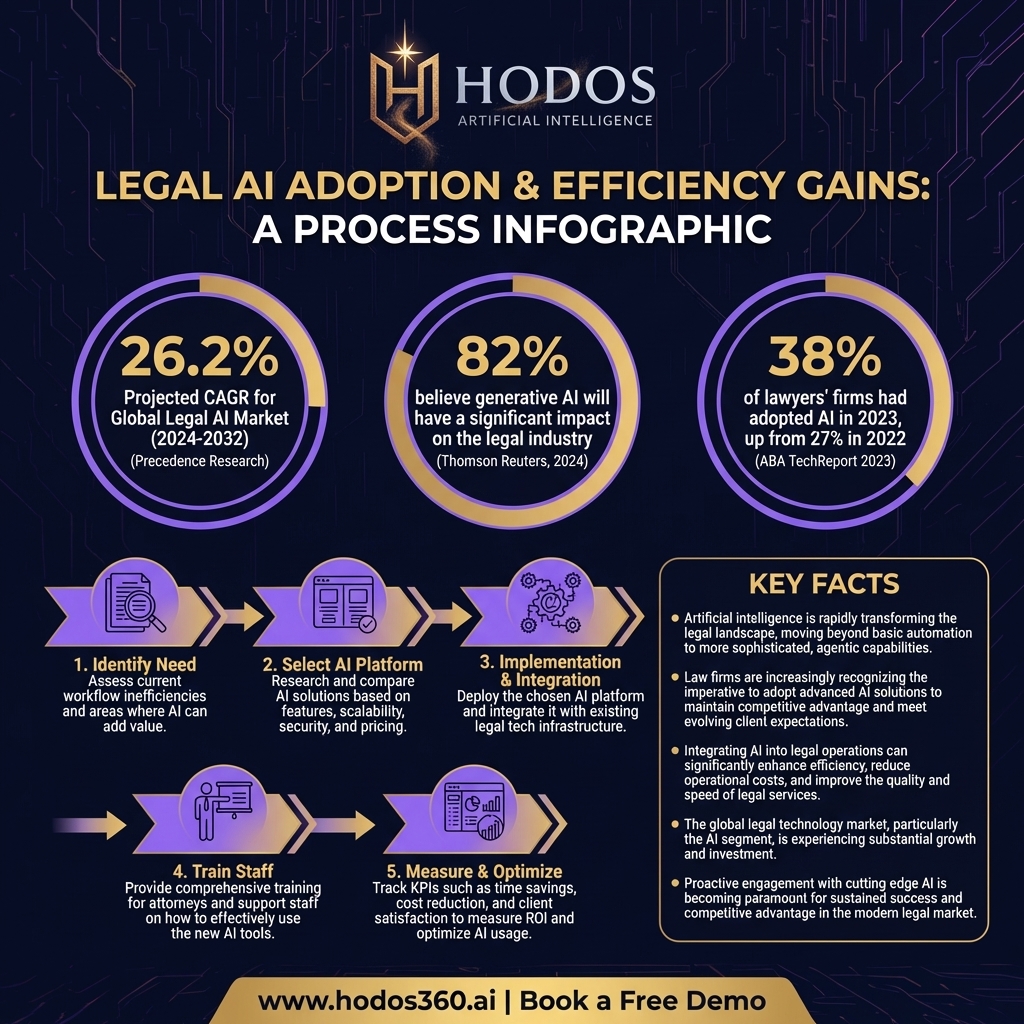
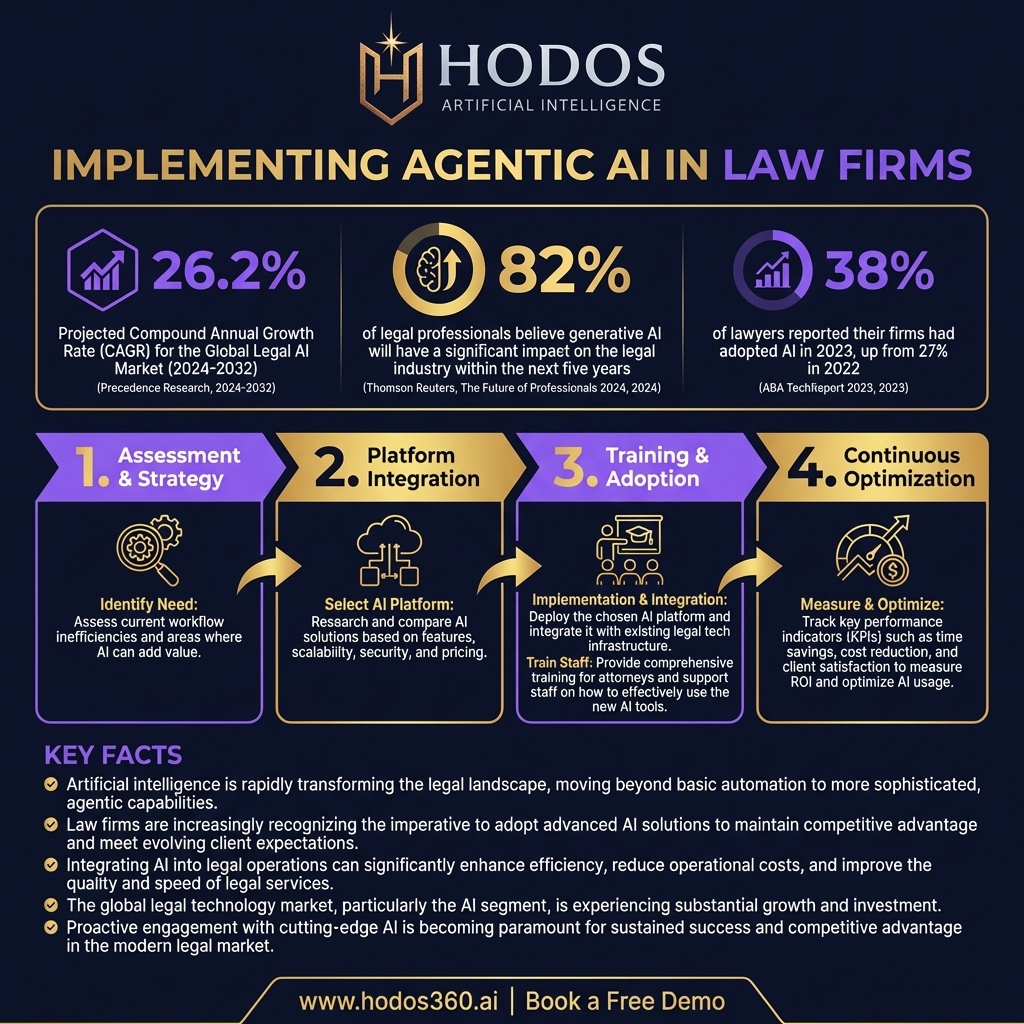
For law firms contemplating the adoption of new Legal AI tools, especially in the wake of significant industry moves like the Legora acquisition of Walter AI, several strategic imperatives come to the fore. Firstly, firms must conduct a thorough needs assessment to identify specific pain points and areas where AI can deliver the most impact.
A piecemeal approach to AI adoption can lead to fragmented systems and suboptimal results. Instead, a holistic strategy that considers how AI can integrate across the entire firm's operations is crucial. Secondly, due diligence in selecting a legaltech company is paramount. Firms should look for providers with a proven track record, robust security features, and a commitment to continuous innovation and support.
Scalability and the ability to customize the platform to the firm's unique requirements are also key factors. The goal is not just to acquire technology, but to forge a partnership that supports long-term growth and adaptation.
Furthermore, successful AI adoption hinges on effective change management and investment in human capital.
Firms must foster a culture of innovation, providing ample training and support to ensure that legal professionals are comfortable and proficient in using new AI tools. This includes understanding not just *how* to use the technology, but *why* it is beneficial and how it enhances their professional capabilities.
The legal profession is inherently about human judgment and empathy, and AI should be viewed as an augmentative force, not a replacement. By strategically integrating agentic legal AI, firms can empower their attorneys to deliver higher-value services, improve client satisfaction, and secure a sustainable competitive advantage.
The future belongs to those who proactively embrace these strategic imperatives and leverage the power of legal innovation.
- ✓Assess Needs Thoroughly: Identify specific operational bottlenecks and client service gaps where AI can provide the most impactful solutions. Avoid adopting technology without a clear strategic purpose.
- ✓Prioritize Data Security & Ethics: Choose AI platforms with robust security, compliance, and transparent ethical frameworks, adhering to legal professional conduct rules.
- ✓Invest in Training & Culture: Foster an environment where legal professionals are educated, comfortable, and empowered to use AI tools, viewing AI as an assistant, not a threat.
- ✓Seek Integrated Solutions: Opt for comprehensive platforms that offer seamless AI integration across various firm functions, rather than fragmented, siloed tools.
- ✓Monitor Industry Trends: Stay informed about major acquisitions and technological advancements, like the Legora-Walter AI deal, to benchmark your firm against global standards.
- ✓Embrace Continuous Improvement: Recognize that AI is an evolving field; commit to ongoing evaluation, updates, and optimization of your AI strategies and tools.

HODOS 360: Empowering Law Firms in the AI-Driven Era
In an era defined by the rapid evolution of Legal AI and strategic moves like the Legora acquisition of Walter AI, law firms need a partner that offers a comprehensive suite of solutions to not just survive, but thrive. HODOS 360 stands at the forefront of this transformation, providing an AI-powered platform designed to address every critical aspect of modern legal practice.
Our AI Law Firm Management System integrates case management, billing, client intake, and document automation with sophisticated AI-powered legal workflows, mirroring the agentic capabilities now driving industry innovation. This ensures that your firm can handle increased caseloads with unparalleled efficiency and precision, freeing up attorneys to focus on the intricate legal strategies that demand human expertise.
The system’s intuitive design and robust features are built to streamline operations, reduce administrative burden, and enhance overall productivity, making it an indispensable tool for forward-thinking firms seeking to leverage the full potential of AI.
Beyond internal operations, HODOS 360 recognizes that attracting and retaining clients in the digital age requires an equally advanced approach.
Our AI Marketing Platform empowers your firm with cutting-edge tools for AI video creation, social media automation, and content generation. This platform not only helps you craft compelling narratives but also provides sophisticated analytics and ROI tracking, ensuring your marketing efforts are highly effective and measurable.
In a competitive market where digital presence is paramount, HODOS 360’s marketing solutions give your firm a distinctive edge, helping you reach and engage with potential clients more effectively than ever before. This integrated approach to marketing is crucial for firms looking to expand their client base and build a strong brand presence in the 2026 legal landscape, leveraging AI to cut through the noise and deliver targeted, impactful messaging.
Client communication and accessibility are also revolutionized by HODOS 360's offerings. Our AI Voice Assistants provide 24/7 phone answering, lead qualification, and appointment booking, ensuring that no potential client is ever missed. With multilingual support and intelligent call routing, these assistants enhance your firm's responsiveness and professionalism, creating a seamless and positive experience for clients from their very first interaction.
This service is particularly vital for firms looking to expand into new markets, like the Canadian market recently targeted by Legora, ensuring you can cater to a diverse clientele around the clock. By automating initial client interactions, your team can dedicate their valuable time to existing clients and complex legal matters, significantly boosting operational efficiency and client satisfaction.
Finally, a strong digital foundation is non-negotiable for any modern law firm. HODOS 360’s Web & Mobile Development services offer AI-powered website building, responsive design, and SEO optimization, coupled with high-converting templates. This ensures your firm has a professional, accessible, and high-performing online presence that attracts and converts visitors into clients.
In today's digital-first world, your website is often the first point of contact for potential clients, and its effectiveness directly impacts your firm's growth. By harnessing HODOS 360’s comprehensive suite, your firm can embrace the agentic legal AI future with confidence, ensuring operational excellence, strategic growth, and unparalleled client engagement.
HODOS 360 isn't just a platform; it's your strategic partner for success in the AI-driven legal era.
Frequently Asked Questions
Q1: What is 'agentic AI' in legal tech, and how is it different from traditional automation?+
Agentic AI in legal tech refers to intelligent software agents that can perceive their environment, act autonomously to achieve goals, and learn from experience. Unlike traditional automation, which simply executes predefined tasks, agentic AI makes informed decisions, adapts to new information, and proactively manages complex workflows, significantly enhancing efficiency and strategic capabilities within a law firm.
Q2: How does the Legora-Walter AI acquisition impact my law firm, especially if I'm in the Canadian market?+
The Legora-Walter AI acquisition signals a rapid advancement and consolidation in agentic legal AI. For Canadian firms, it means increased access to sophisticated, integrated AI platforms but also heightened competition. Firms must now proactively adopt advanced AI solutions to maintain a competitive edge, streamline operations, and meet evolving client expectations in a globally influenced legal tech landscape.
Q3: What are the main benefits of adopting advanced AI, like agentic platforms, in legal practice?+
Adopting advanced AI offers numerous benefits, including significant gains in operational efficiency, reduced costs, and improved accuracy in tasks like legal research and document review. It allows attorneys to focus on higher-value strategic work, enhances client service through 24/7 support and personalized communication, and provides predictive insights for better case management and litigation outcomes.
Q4: Are there ethical concerns with using AI in law, and how can firms address them?+
Yes, ethical concerns include potential AI bias, data security risks, and the need for human oversight. Firms must address these by conducting thorough due diligence on AI vendors, ensuring robust cybersecurity, complying with data protection regulations, and establishing internal guidelines for ethical AI use. Maintaining human judgment as the ultimate arbiter in legal decisions is crucial.
Q5: How can HODOS 360 help my firm integrate cutting-edge AI solutions effectively?+
HODOS 360 provides a comprehensive AI-powered platform including an AI Law Firm Management System for operations, an AI Marketing Platform for client acquisition, AI Voice Assistants for 24/7 client engagement, and Web & Mobile Development for a strong digital presence. Our integrated solutions empower firms to seamlessly adopt and leverage advanced AI to drive efficiency, growth, and client satisfaction.