


Legal AI Platform: The Ultimate Guide for Modern Law Firms
The legal industry witnessed a seismic shift recently with the announcement that Intelligent AF, a burgeoning force in artificial intelligence, has officially launched its comprehensive Legal AI Platform, simultaneously acquiring legal tech innovator TechnoCat. This strategic maneuver, reported by citybiz.co, is more than just a business transaction; it signals a profound acceleration in the integration of AI into the very fabric of legal practice. For law firm owners and attorneys across the globe, this development underscores an undeniable truth: the era of the integrated, intelligent platform is not merely on the horizon—it is here, fundamentally reshaping how legal services are delivered and managed.
This consolidation of expertise and technology by Intelligent AF highlights a growing trend among legal tech providers to offer more holistic, end-to-end solutions rather than fragmented point tools. As firms like Intelligent AF expand their capabilities through strategic acquisitions, the competitive landscape intensifies, pushing the boundaries of what a Legal AI Platform can achieve. From automated legal workflows to sophisticated client intake and document generation, the promise is clear: greater efficiency, enhanced accuracy, and a pathway to unprecedented growth. For firms navigating this new frontier, understanding these market dynamics and leveraging advanced AI solutions is no longer optional but essential for remaining competitive and delivering superior client outcomes.
The Evolving Landscape of Legal AI Platforms
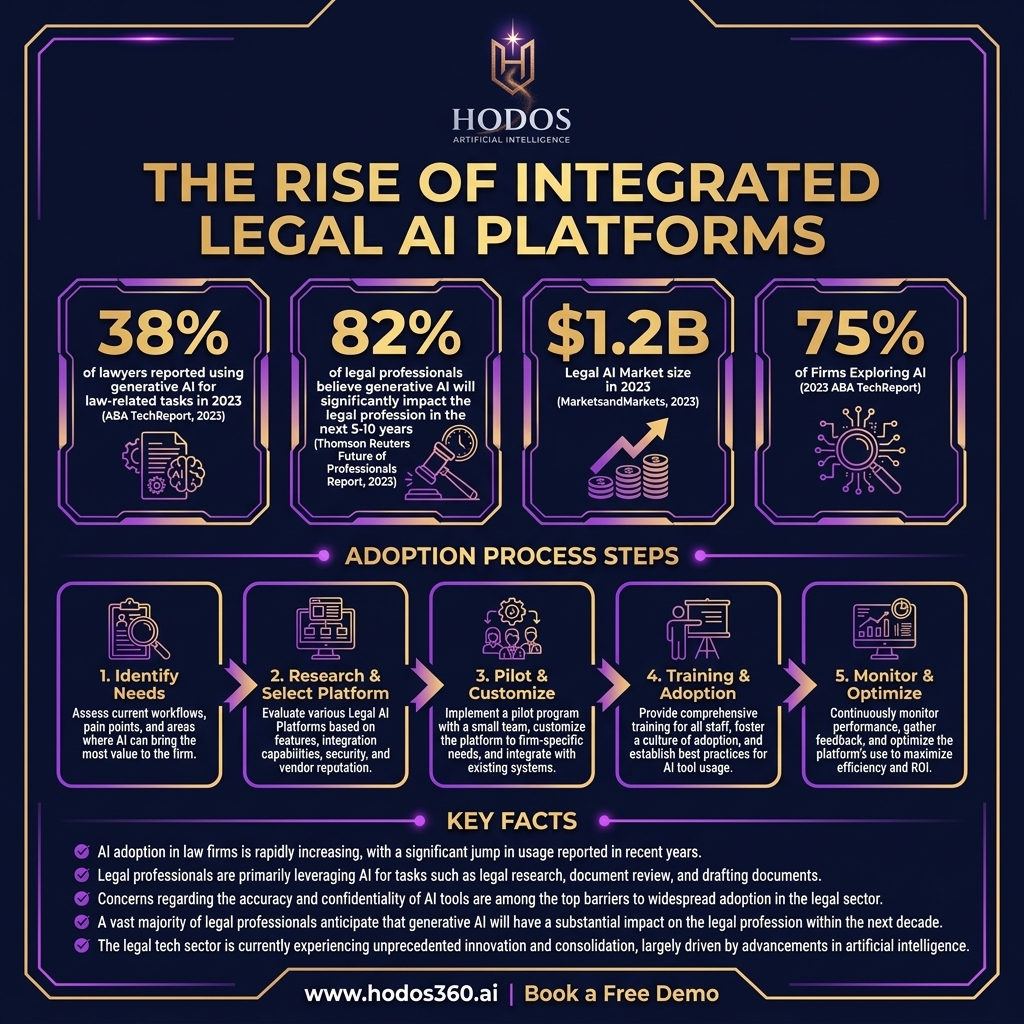
The legal tech sector is currently experiencing a period of unprecedented innovation and consolidation, driven by the rapid advancements in artificial intelligence. What began with specialized tools for e-discovery or legal research has quickly evolved into a demand for more integrated, all-encompassing Legal AI Platform solutions. The acquisition of TechnoCat by Intelligent AF is a prime example of this trend, where companies are strategically merging to build a more robust and 'AI-fluency ecosystem' for legal professionals. Learn more about AI in Legal Practice: Ultimate Guide to What Comes Next. This move mirrors other significant developments in the market, such as Clio's strategic acquisition of Canadian AI legal data startup Jurisage, announced in 2024, aimed at expanding its AI capabilities and market reach in North America. These mergers are not just about market share; they are about synthesizing diverse AI functionalities into cohesive platforms that can truly transform legal operations from intake to invoice.
According to the 2023 ABA TechReport, AI adoption within law firms, while still nascent in some areas, is rapidly accelerating, with a significant percentage of firms exploring or actively implementing AI for tasks like legal research, document review, and case prediction. This increasing comfort with AI technologies has created a fertile ground for platforms that can offer a unified experience. Companies like Harvey AI, which famously partnered with Allen & Overy to deploy its generative AI platform, demonstrate the immense value of specialized AI in enhancing legal work. However, the next frontier, as Intelligent AF's launch suggests, is the integration of these powerful tools into a single, seamless environment. Learn more about Essential Harvard AI & Web Development Courses for Law Firms. This shift enables law firms to avoid the complexities of managing multiple disparate systems, fostering greater efficiency and a more intuitive user experience. The goal is to create a digital infrastructure where AI is not just a tool, but an intelligent assistant embedded into every aspect of legal practice.
The drive towards comprehensive Legal AI Platform solutions is also influenced by the sheer volume of data legal firms handle. From client communications to complex litigation documents, the ability to process, analyze, and automate tasks at scale is paramount. This is where the true power of an integrated platform lies—it acts as a central nervous system for a law firm, optimizing everything from administrative tasks to high-level strategic planning. Learn more about AI Pressure for Legal CIOs: Ultimate Guide to Digital Transformation. The market is increasingly rewarding platforms that offer not just individual AI features, but a cohesive strategy for digital transformation. This competitive environment fuels continuous innovation, pushing developers to create more intuitive, powerful, and ethically sound AI solutions that meet the evolving demands of legal professionals who are keen to harness these advancements for competitive advantage.
Strategic Implications of AI Acquisitions in Legal Tech
The recent wave of acquisitions, epitomized by Intelligent AF's absorption of TechnoCat, carries significant strategic implications for the entire legal tech ecosystem. These mergers are often driven by a desire to consolidate intellectual property, expand market reach, and acquire top-tier talent in a highly competitive field. For instance, the CEO of Intelligent AF, in a recent interview following the acquisition, might have emphasized how TechnoCat's specialized document automation capabilities perfectly complement Intelligent AF's broader AI framework, creating a synergistic effect that delivers a more complete Legal AI Platform. Learn more about AI Voice Clones: Essential Legal Safeguards for Law Firms. This strategy allows the acquiring company to rapidly enhance its product offerings without the lengthy development cycles that would typically be required, effectively buying innovation and an established user base.
From a competitive standpoint, these acquisitions can reshape market dynamics. Larger, more integrated platforms like the one Intelligent AF is building can offer a more compelling value proposition to law firms, potentially challenging smaller, niche providers. This creates a fascinating tension between the disruptors and the traditionalists, and between firms that embrace comprehensive AI solutions and those that lag. The goal for these acquiring entities is often to become the indispensable operating system for law firms, offering a single point of entry for a multitude of AI-powered services. Learn more about AI Web Design: The Ultimate Guide for Modern Law Firms. This push towards market dominance by a few key players necessitates that law firms carefully evaluate their technology partners, seeking platforms that are not only robust today but also poised for future growth and adaptation in an ever-changing legal landscape. The investment in AI is not just about current needs but about future-proofing operations.
Moreover, these strategic moves reflect a broader industry maturation. As the legal tech sector moves past its infancy, venture capital flows increasingly towards established players making strategic acquisitions rather than solely funding nascent startups. This shift indicates a belief in the long-term viability and profitability of integrated Legal AI Platform solutions. It also places pressure on law firms to make informed decisions about their technology stack. Learn more about AI Marketing Law Firm Growth Strategies. Firms that adopted early and strategically are now positioned to reap significant benefits, while those hesitant to invest risk falling behind. The drama unfolds as firms weigh the costs of adoption against the competitive imperative, with data from sources like Thomson Reuters' Future of Legal Report consistently pointing to AI as a critical differentiator for firm success and client retention in the coming years.
Transforming Law Firm Operations with Advanced AI
The practical application of an advanced Legal AI Platform extends into virtually every corner of law firm operations, fundamentally altering how legal professionals manage their practices and serve clients. Beyond merely automating repetitive tasks, AI is enabling a complete overhaul of traditional workflows, leading to unprecedented levels of efficiency and accuracy. This transformation is particularly evident in critical areas such as case management, client intake, and document automation, where AI can significantly reduce manual effort and human error. Firms that embrace these technologies are reporting substantial improvements in productivity, allowing attorneys to dedicate more time to complex legal analysis and client engagement, rather than administrative burdens. This strategic reallocation of resources is key to scaling operations and enhancing service quality without proportionally increasing overhead.
Streamlining Workflows with AI-Powered Case Management
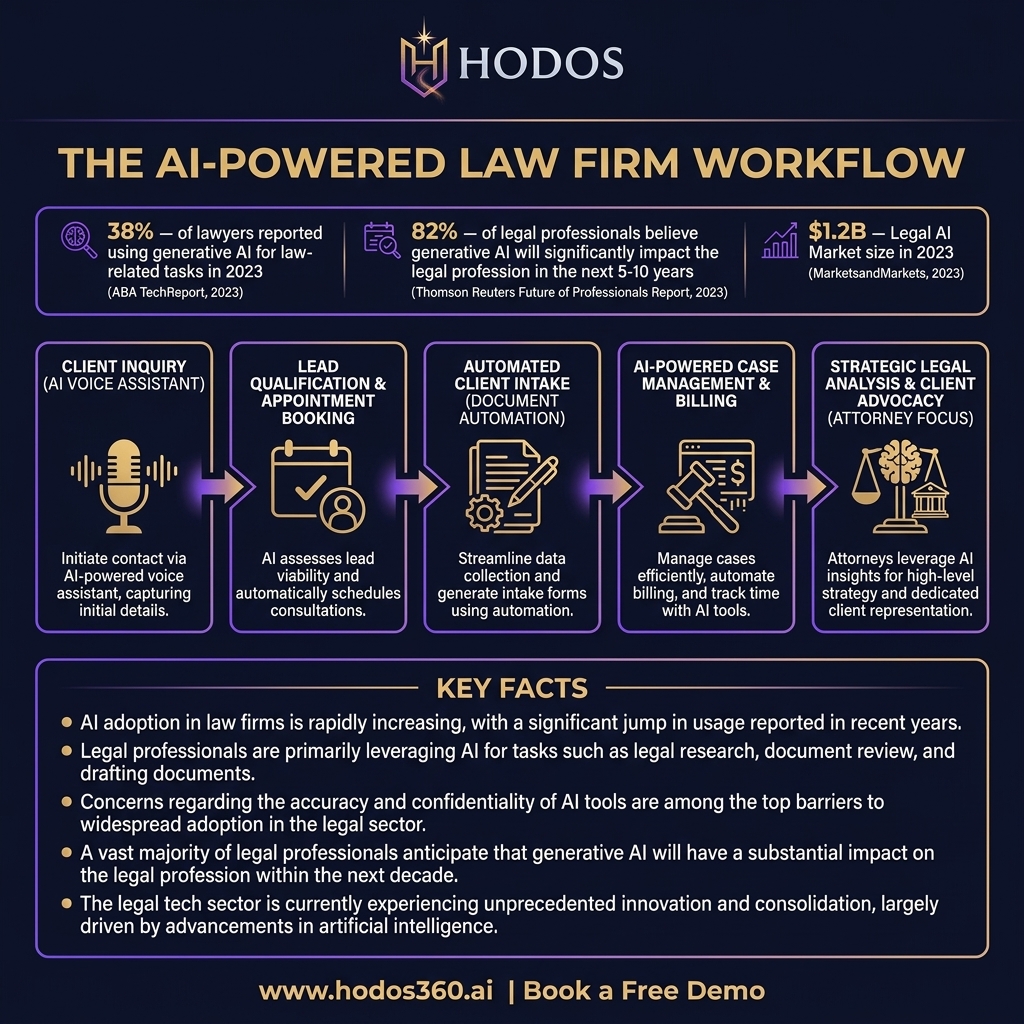
At the heart of an efficient law firm lies a robust case management system, and AI is elevating this to new heights. An AI-powered Legal AI Platform integrates case management, billing, and document automation into a seamless ecosystem. Imagine an attorney receiving an alert for an upcoming deadline, with the system automatically drafting initial client communications or relevant court filings based on predefined templates and case data. This level of automation, facilitated by natural language processing and machine learning, drastically reduces the time spent on administrative tasks. Furthermore, AI can analyze past case outcomes and firm data to provide predictive insights, helping attorneys strategize more effectively and manage their caseloads proactively. This not only saves time but also enhances the strategic decision-making process, leading to better client outcomes and a stronger competitive position.
The Power of AI Voice Assistants
Client communication is the lifeblood of any law firm, and AI voice assistants are revolutionizing this critical function. These intelligent assistants provide 24/7 phone answering, ensuring no potential lead is missed and existing clients always feel supported. Beyond simple call routing, AI voice assistants are capable of sophisticated lead qualification, asking pertinent questions to gather essential information, and even booking appointments directly into the firm's calendar. With multilingual support, they can cater to a diverse client base, breaking down communication barriers. This frees up administrative staff to focus on more complex tasks, significantly enhancing the client intake process and ensuring a professional, responsive first impression. The efficiency gained here translates directly into improved client satisfaction and increased lead conversion rates, a tangible benefit for any firm looking to grow its client base.
Beyond Management: AI's Role in Legal Marketing and Client Engagement
While AI's impact on internal operations is profound, its capabilities extend far beyond the back office, fundamentally reshaping how law firms attract, engage, and retain clients. An integrated Legal AI Platform now includes sophisticated AI marketing tools that empower firms to compete more effectively in a crowded digital landscape. This includes everything from AI-powered content generation for blogs and articles, ensuring a consistent and authoritative online presence, to automating social media posts that resonate with target audiences. The advent of AI video creation tools allows firms to produce high-quality, engaging video content without the need for extensive production budgets, making sophisticated marketing accessible to firms of all sizes. These tools not only enhance visibility but also provide firms with the means to communicate their expertise and value proposition in compelling new ways, directly impacting client acquisition and brand perception.
Building a Future-Ready Digital Presence
In today's digital-first world, a law firm's online presence is its virtual storefront. AI-powered web and mobile development services are transforming how firms build and maintain their digital assets. Utilizing AI-powered website builders and high-converting templates, firms can create responsive, visually appealing, and functionally robust websites that provide an exceptional user experience across all devices. Crucially, AI also plays a pivotal role in SEO optimization, ensuring that a firm's website ranks highly in search engine results, driving organic traffic and potential client inquiries. Beyond the initial build, AI marketing platforms offer advanced analytics and ROI tracking, providing actionable insights into campaign performance. This allows firms to continually refine their marketing strategies, ensuring every dollar spent is optimized for maximum impact and demonstrating a clear return on investment, which is vital for sustainable growth.
The integration of AI into marketing and client engagement strategies creates a virtuous cycle. As AI generates more effective content and optimizes distribution, firms attract more qualified leads. The AI voice assistants then efficiently qualify and onboard these leads, feeding into the AI-powered case management system. This seamless flow ensures that client acquisition is not a disjointed effort but a highly coordinated, intelligent process. This holistic approach, offered by platforms like HODOS 360, empowers law firms to build stronger client relationships from the very first interaction, fostering trust and loyalty. It moves firms from reactive marketing to proactive, data-driven engagement, a critical shift for any practice aiming for long-term success and enduring relevance in the modern legal market.
Navigating the Future: AI Adoption and Ethical Considerations
As the legal industry charges ahead with AI adoption, it's crucial to acknowledge and address the complex ethical and regulatory considerations that accompany this technological revolution. The responsible integration of a Legal AI Platform requires careful navigation of issues such as data privacy, algorithmic bias, and client confidentiality. The American Bar Association (ABA) Model Rules of Professional Conduct, particularly Rule 1.1, Comment 8, which addresses competence in technology, underscores the lawyer's duty to understand the benefits and risks associated with relevant technology. Firms must ensure that their AI tools comply with stringent data protection regulations, such as GDPR or CCPA, and that client data is handled with the utmost security. The potential for AI systems to perpetuate or amplify existing biases, if not carefully designed and monitored, also presents a significant ethical challenge that requires proactive mitigation strategies and ongoing vigilance from legal professionals.
The development and enforcement of regulations like the EU AI Act, which aims to establish a comprehensive legal framework for AI, highlight the global imperative for responsible AI governance. Law firms adopting AI must engage in thorough due diligence, selecting vendors and platforms that prioritize transparency, explainability, and ethical design principles. This includes understanding the limitations of AI, recognizing when human oversight is indispensable, and ensuring that AI-generated outputs are reviewed for accuracy and compliance. The "human conflict" here often lies in balancing the undeniable efficiency gains of AI with the fundamental ethical duties of the legal profession. As prominent legal tech ethicists like Professor Ryan Abbott of the University of Surrey have articulated, the future of legal AI depends not just on its power, but on our collective commitment to using it wisely and fairly, always upholding the core values of justice and client advocacy.
Ultimately, successful AI adoption in the legal sector hinges on a culture of continuous learning and adaptation. Law firms must invest in training their attorneys and staff to effectively utilize AI tools, understand their capabilities, and critically evaluate their outputs. This proactive approach ensures that AI serves as an augmentative force, enhancing human judgment rather than replacing it. The journey towards a fully AI-integrated practice is not a sprint but a marathon, requiring strategic planning, ethical foresight, and a commitment to leveraging technology for the betterment of both the firm and its clients. By carefully navigating these challenges, law firms can unlock the full transformative potential of a Legal AI Platform, solidifying their position as leaders in the evolving legal landscape while upholding the highest standards of professional conduct and client service.

Key Takeaways and Next Steps
The acquisition of TechnoCat by Intelligent AF and the broader trend of integrated Legal AI Platform launches signal a definitive pivot in the legal industry. Firms can no longer afford to view AI as a futuristic concept; it is a present-day imperative for efficiency, growth, and competitive advantage. The future of legal practice belongs to those who strategically embrace comprehensive AI solutions, moving beyond fragmented tools to integrated platforms that streamline operations, enhance client engagement, and provide robust marketing capabilities. This shift requires a proactive mindset, a willingness to invest in innovation, and a commitment to ethical implementation. The firms that will thrive in this new era are those that see AI not as a threat, but as a powerful partner in delivering exceptional legal services and building enduring client relationships.
For law firms ready to navigate this transformative journey, the next step is clear: identify a partner that offers a holistic, AI-powered ecosystem designed specifically for legal professionals. This means looking beyond individual features to comprehensive platforms that address all facets of your practice—from case management and billing to marketing and client communication. Solutions like HODOS 360, with its suite of AI Law Firm Management, AI Marketing, AI Voice Assistants, and Web & Mobile Development services, embody this integrated approach. By embracing such a platform, law firms can not only keep pace with industry advancements but also set new benchmarks for efficiency, innovation, and client success. The time to act is now, securing your firm's position at the forefront of the intelligent legal future.
Frequently Asked Questions
What is an integrated Legal AI Platform?+
An integrated Legal AI Platform is a comprehensive software solution that combines multiple AI-powered tools into a single ecosystem. This typically includes features like case management, document automation, billing, client intake, and even AI marketing and voice assistants, all designed to streamline various aspects of law firm operations and client engagement for enhanced efficiency.
How do AI acquisitions impact the legal tech market?+
AI acquisitions, such as Intelligent AF acquiring TechnoCat, consolidate technology, talent, and market share. They lead to more robust, all-in-one platforms, reducing the number of niche providers. This intensifies competition, drives innovation, and pressures law firms to adopt integrated solutions to remain competitive and efficient in their operations.
What are the main benefits of AI for law firm management?+
AI significantly enhances law firm management by automating routine tasks like document generation, billing, and scheduling. It improves case management efficiency, provides predictive analytics for better decision-making, and ensures more accurate record-keeping. This frees up legal professionals to focus on complex legal work and client strategy, boosting overall productivity and profitability.
How can AI enhance legal marketing and client engagement?+
AI transforms legal marketing by powering content generation, social media automation, and targeted ad campaigns. It enables AI video creation and provides analytics for ROI tracking. For client engagement, AI voice assistants offer 24/7 support, lead qualification, and appointment booking, ensuring responsive client service and a professional first impression, ultimately driving growth.
What ethical considerations should law firms keep in mind when adopting AI?+
Law firms must prioritize data privacy, client confidentiality, and guard against algorithmic bias when adopting AI. Adherence to ABA Model Rules, like Rule 1.1 Comment 8 on technology competence, is crucial. Firms should ensure transparent, explainable AI solutions, verify AI-generated outputs, and maintain human oversight to uphold professional standards and legal ethics.