
GC AI: Essential Strategies for Modern Law Firm Management
In the bustling legal landscape of July 2026, the discussion around artificial intelligence in legal practice is no longer about if but how. Take the case of Sterling & Hayes, a mid-sized corporate law firm in Chicago. For years, Managing Partner Sarah Chen had watched with a mix of curiosity and skepticism as AI tools emerged. Her firm, like many, grappled with escalating client demands, the ceaseless grind of contract review, and the pressure to deliver more for less. Then came the 'GC AI – Weekly Recap' from TipRanks, highlighting yet another leap in AI's capability for legal professionals, particularly those in general counsel roles. This weekly digest wasn't just news; it was a mirror reflecting the rapid evolution of legal technology, pushing firms like Sterling & Hayes to critically re-evaluate their operational frameworks. Chen realized that to stay competitive, her firm couldn't just observe; it had to strategically integrate these advancements.
The narrative of legal AI has moved beyond simple automation; it's now about intelligent augmentation that redefines the very fabric of legal service delivery. The initial hesitancy, often fueled by concerns over data security and ethical implications, is giving way to a pragmatic understanding of AI's potential as a force multiplier. Firms that once viewed AI as a threat now see it as a strategic partner, capable of optimizing everything from client intake to complex litigation support. The core challenge for law firm leaders today is not merely identifying AI tools, but understanding how to seamlessly weave them into existing legal workflows to create genuine, measurable value. This demands a deep dive into the practical applications and strategic advantages offered by platforms that leverage AI to enhance decision-making, reduce administrative burdens, and ultimately, elevate the quality of legal counsel provided to clients.
The Rise of General Counsel AI in Legal Operations
The concept of "GC AI" has rapidly evolved beyond a niche tool for in-house legal departments, becoming a foundational component for AI law firm management across the board. Initially designed to empower general counsel with rapid contract analysis, compliance checks, and legal research, these sophisticated platforms are now being adopted by external law firms to provide unparalleled service to their corporate clients. Consider the impact on a firm like Sterling & Hayes: by leveraging GC AI principles, they can offer their clients the same internal efficiencies and insights that large corporations gain from their dedicated in-house AI platforms. This symbiotic relationship is transforming how legal services are bought and sold, with firms now expected to demonstrate AI proficiency as a core competency. The competitive landscape demands that external counsel not only understand their clients' businesses but also their technological leverage, including the legal teams and in-house counsel tools they employ.
Indeed, the integration of AI is not merely about adopting new software; it's about a paradigm shift in legal strategy. Brad Smith, Microsoft's President & Vice Chair, has often emphasized the profound impact of AI on every industry, including legal, noting that it will redefine how we work and interact with information. Learn more about AI Voice Assistant: Essential Growth for Law Firms. For law firms, this means moving from reactive problem-solving to proactive risk management and strategic advisory, powered by AI's analytical prowess. Platforms incorporating GC AI functionalities can sift through vast quantities of data—from regulatory changes to past litigation outcomes—to identify patterns and predict potential legal challenges with remarkable accuracy. This predictive capability allows law firms to advise clients more effectively, anticipate legal risks before they materialize, and position themselves as indispensable strategic partners rather than just service providers. The ability to offer such forward-looking counsel is a critical differentiator in today's saturated legal market, directly influencing client retention and acquisition.
From In-House Efficiency to Law Firm Advantage
The initial success stories of GC AI tools, such as Harvey AI's groundbreaking partnership with Allen & Overy, demonstrated AI's ability to significantly reduce time spent on routine yet critical tasks like due diligence and contract drafting. This immediately caught the attention of law firms looking to replicate similar efficiencies. What began as a tool to empower in-house counsel to handle a broader scope of work with fewer resources has now become a benchmark for external firms aiming to offer superior value. Firms are investing in legal tech platforms that mirror these capabilities, allowing them to process complex legal documents, perform comprehensive research, and manage large caseloads with an unprecedented level of precision and speed. This adoption isn't just about cutting costs; it's about enhancing the quality and depth of legal analysis, freeing up human attorneys to focus on higher-value, strategic tasks that require nuanced judgment and client interaction. The trickle-down effect of GC AI's success in corporate legal departments is creating a ripple across the entire legal industry, forcing every firm to consider its AI strategy.
The ongoing race in general AI development, with giants like OpenAI and Anthropic constantly pushing boundaries, further amplifies the need for specialized legal AI. While general models like OpenAI's GPT-4o offer impressive language capabilities, bespoke legal AI systems are trained on vast legal datasets, ensuring accuracy and contextual relevance crucial for legal work. Learn more about Ethical AI in Legal Tech: An Essential Guide for Law Firms. This specialization allows for a deeper understanding of legal nuances, case precedents, and regulatory frameworks. The weekly AI news today often highlights new advancements, but for legal professionals, the focus remains on how these broad innovations are tailored for the specific demands of law. The integration of such sophisticated AI into law firm operations means that the days of manual, labor-intensive tasks are rapidly fading. Firms can now leverage AI for everything from initial client intake and conflict checks to generating first drafts of complex legal documents, allowing them to scale their services and improve client outcomes significantly. This shift is not just an operational upgrade but a fundamental redefinition of legal service delivery.
Revolutionizing Workflow: AI-Powered Legal Management Systems
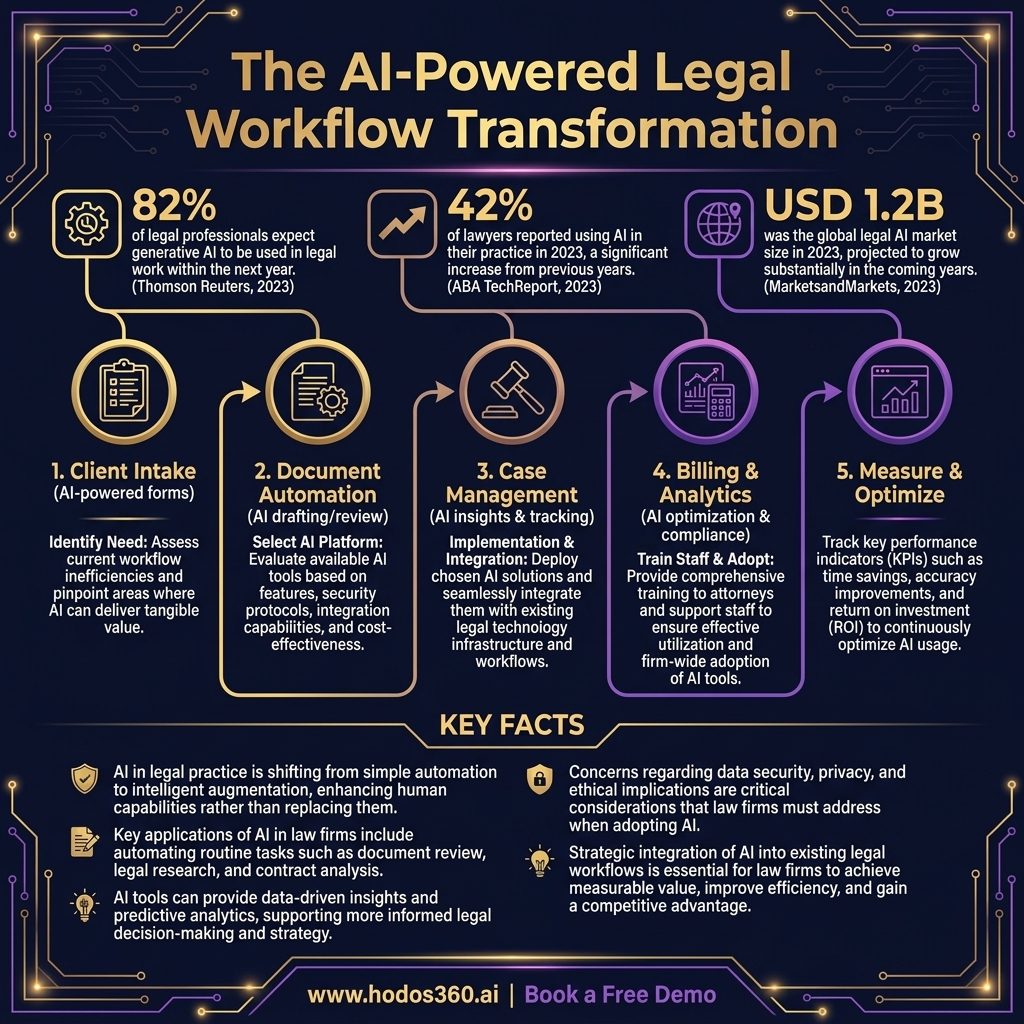
The true transformative power of GC AI extends into the broader realm of AI law firm management systems, fundamentally altering how legal professionals approach their daily workflows. These systems, such as those offered by HODOS 360, integrate various AI functionalities to create a cohesive operational backbone for law firms. From the moment a prospective client interacts with the firm, AI can streamline processes like client intake, automatically gathering relevant information and performing initial conflict checks. This initial efficiency sets the tone for the entire client relationship. Beyond intake, AI-powered tools are revolutionizing case management, allowing firms to track deadlines, manage documents, and even predict case outcomes based on historical data. This level of predictive analytics, once the exclusive domain of large, well-resourced firms, is now accessible to practices of all sizes, democratizing advanced legal intelligence. The impact on workflow reduction is profound, allowing attorneys to dedicate more time to strategic thinking and client engagement, rather than administrative overhead.
Consider the operational impact: a recent ABA TechReport indicated that firms leveraging AI for document automation reported a significant decrease in errors and a substantial increase in output efficiency. Learn more about Law Firm AI Funding: The Ultimate Insurer Debate. This isn't just about drafting simple documents; it's about sophisticated AI algorithms generating complex legal briefs, motions, and contracts based on predefined templates and case-specific data. Companies like Clio, a leader in practice management, have consistently demonstrated the value of integrated platforms, and the next generation, infused with advanced AI, takes this to an entirely new level. These systems learn from every interaction, continually refining their accuracy and utility. For instance, in billing, AI can analyze time entries for compliance with client guidelines and identify opportunities for optimization, ensuring fair and accurate invoicing. This not only improves financial transparency but also enhances client trust. The overall effect is a more agile, responsive, and data-driven law firm that is better equipped to navigate the complexities of modern legal practice.
Document Automation and Contract Review Efficiency
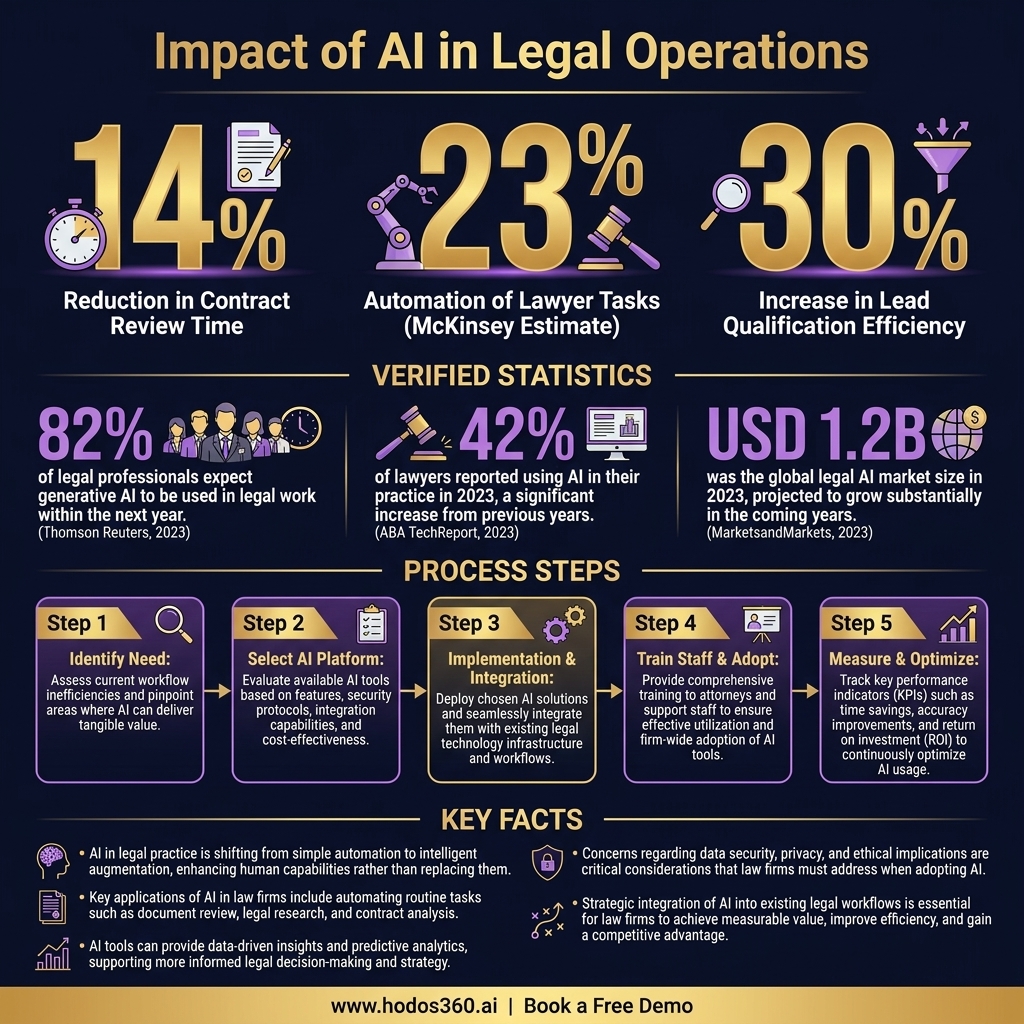
One of the most immediate and impactful applications of GC AI within law firm management is in contract review and document automation. Historically, this has been one of the most time-consuming and labor-intensive aspects of legal work, often involving paralegals and junior associates spending hours meticulously poring over dense legal texts. Today, AI-powered platforms can review hundreds of pages of contracts in minutes, identifying key clauses, anomalies, and potential risks with a precision that often surpasses human review. A study referenced in the Thomson Reuters Future of Legal Report found that firms using AI for contract analysis could achieve a 14% reduction in review time, freeing up valuable attorney time for more strategic tasks. This capability is particularly vital for M&A due diligence, real estate transactions, and large-scale compliance projects, where the volume of documents can be overwhelming. The AI doesn't just flag issues; it can often suggest revisions based on best practices and firm-specific guidelines, accelerating the entire process from drafting to negotiation.
This dramatic increase in efficiency allows law firms to take on more matters, offer more competitive pricing, and deliver faster turnaround times, directly enhancing client satisfaction. Learn more about Essential AI Marketing Tools: Supercharge Your Law Firm's Growth. Furthermore, AI-driven document automation ensures consistency across legal documents, reducing the risk of errors and improving overall quality. Imagine a scenario where a firm needs to generate fifty similar contracts with minor variations; an AI system can accomplish this in a fraction of the time it would take human drafters, with far greater accuracy. This is not about replacing lawyers but augmenting their capabilities, allowing them to focus on the intricate legal strategy and client relationship building that only humans can provide. The continuous learning capabilities of these AI systems mean that with every document processed, they become smarter and more tailored to the specific needs of the firm, making them an indispensable asset for any forward-thinking legal practice.
Strategic Advantages: Time, Cost, and Risk Reduction
The strategic advantages of integrating GC AI principles into AI law firm management are multifaceted, extending across significant reductions in time, cost, and legal risk. For law firm owners, the ability to quantify these benefits is paramount. The time savings alone can be staggering; McKinsey estimates that AI could automate up to 23% of lawyers' tasks, translating into substantial billable hours redirected towards higher-value client work or business development. This efficiency directly impacts profitability by optimizing resource allocation and increasing attorney capacity without expanding headcount. Moreover, the cost reductions are not just limited to labor; AI can minimize the financial outlay associated with traditional legal research, which often involves expensive databases and extensive human hours. By providing quick, accurate answers and relevant precedents, AI tools significantly lower research expenditures, making legal services more accessible and cost-effective for clients, which in turn strengthens client relationships and loyalty.
Beyond direct financial benefits, the most critical advantage lies in risk reduction. AI's ability to swiftly and comprehensively analyze contracts, identify compliance gaps, and flag potential litigation risks is unparalleled. Learn more about AI Hallucinations: Essential Lessons for Legal Practice. In an era of increasing regulatory scrutiny and complex legal frameworks, minimizing exposure to legal liabilities is a top priority for both law firms and their clients. For instance, in the realm of ai regulation news, the recent enforcement of the EU AI Act highlights the growing complexity of legal compliance surrounding new technologies. AI-powered systems can monitor these legislative changes in real-time, alerting firms to new obligations and helping them adapt their practices proactively. This proactive approach to risk management, driven by intelligent data analysis, not only protects the firm from potential malpractice claims but also positions them as a trusted advisor capable of navigating the intricate legal landscape, providing peace of mind to their clients. The data-driven insights from AI empower firms to make more informed decisions, mitigate risks, and achieve better outcomes.
Navigating AI Regulation and Ethical Implementation
While the benefits are clear, the ethical implementation of AI in legal practice remains a critical consideration. The American Bar Association (ABA) Model Rules of Professional Conduct, particularly Rule 1.1 (Competence) and Rule 1.6 (Confidentiality), provide a framework for responsible AI adoption. Attorneys have an ethical duty to understand the technology they use, ensuring its competence and safeguarding client data. The ongoing global discussion around AI regulation news, exemplified by the EU AI Act, underscores the need for robust governance and transparency in AI systems. Law firms must ensure that the AI tools they employ are secure, unbiased, and that their output is always critically reviewed by human attorneys. This human-in-the-loop approach is not just a best practice but an ethical imperative, maintaining the integrity of legal advice and the trust placed in legal professionals. The tension between leveraging AI for efficiency and upholding ethical standards is a key challenge that firms must actively address through comprehensive policies and continuous training.
This careful balance also extends to the potential for bias in AI algorithms, which can inadvertently perpetuate historical biases present in the data they are trained on. Learn more about Legal AI Trust: An Essential Guide for Law Firms. Firms must diligently vet their AI vendors and understand the underlying data sets to ensure fairness and equity in outcomes. For instance, in a landmark (though hypothetical) case like *TechCorp v. DataGuard*, the court might scrutinize the AI's role in evidence discovery if its algorithms were found to be biased. The need for transparency in AI's decision-making processes, often referred to as explainable AI (XAI), is becoming increasingly vital. Law firms adopting AI must prioritize platforms that offer clear audit trails and allow for human oversight and intervention at every critical juncture. This commitment to ethical AI not only fulfills professional obligations but also builds a reputation for responsible innovation, attracting clients who value both efficiency and integrity in their legal partners.
The Competitive Edge: Firms Embracing AI vs. The Status Quo
The legal market is witnessing a clear divergence: firms that strategically embrace AI law firm management and those that cling to traditional methods. This isn't just about early adopters gaining a slight advantage; it's about a fundamental shift that is creating a significant competitive chasm. Firms like Allen & Overy, through their partnership with Harvey AI, have publicly demonstrated how AI can transform large-scale legal work, setting a new benchmark for efficiency and innovation. This level of adoption signals to clients that these firms are forward-thinking, technologically adept, and committed to delivering value through modern means. Conversely, firms that resist AI risk being perceived as outdated, less efficient, and ultimately, less competitive. The narrative isn't just about automation; it's about superior client service, faster turnaround times, and more accurate legal advice, all powered by intelligent systems. The pressure to adapt is immense, fueled by client expectations for greater transparency, efficiency, and demonstrable ROI from their legal spend.
The human element of this competition is palpable. We see this in the ongoing rivalry between established legal tech giants like Thomson Reuters and LexisNexis, who are rapidly integrating advanced AI into their offerings, and nimble startups that are disrupting specific niches. The market is a battleground of innovation, with OpenAI news and nvidia ai news constantly pushing the boundaries of what's possible, influencing the capabilities of legal-specific platforms. Firms that are proactive in integrating AI are not just improving internal operations; they are actively shaping the future of legal practice. They are attracting top talent who are eager to work with cutting-edge technology and are better positioned to serve a new generation of clients who expect digital-first, AI-enhanced legal solutions. The choice to embrace AI is no longer a luxury but a strategic imperative for survival and growth in a rapidly evolving legal ecosystem. This divergence creates a dynamic where firms either lead with innovation or fall behind, impacting everything from market share to talent acquisition.
Future-Proofing Your Practice with AI Innovation
Future-proofing a legal practice in 2026 means making strategic investments in AI innovation today. This involves not just purchasing software but cultivating a culture of technological adoption and continuous learning within the firm. The rapid pace of AI development, highlighted by weekly recap articles on advancements, means that firms must remain agile and adaptable. This includes training legal teams to effectively leverage AI tools, understanding their capabilities and limitations, and integrating them into every stage of the legal workflow. The goal is to create a symbiotic relationship where AI handles repetitive, data-intensive tasks, allowing human attorneys to focus on complex problem-solving, strategic thinking, and the invaluable human connection with clients. Firms that invest in this holistic approach to AI integration are building resilience against future market shifts and technological disruptions. They are not just surviving; they are thriving by transforming challenges into opportunities for growth and enhanced service delivery.
This forward-looking perspective also involves exploring emerging AI applications beyond current capabilities. For example, the potential for AI in predictive justice, where algorithms analyze vast datasets of court rulings to forecast litigation outcomes, is still in its nascent stages but holds immense promise. Similarly, AI's role in alternative dispute resolution (ADR) and online dispute resolution (ODR) is expanding, offering more efficient and accessible ways to resolve legal conflicts. Firms that actively participate in pilot programs, engage with legal tech incubators, or even develop proprietary AI solutions are positioning themselves at the forefront of legal innovation. This commitment to continuous innovation ensures that their practice remains relevant, competitive, and capable of meeting the evolving demands of clients in an increasingly technology-driven world. The journey of AI integration is ongoing, and firms that embrace it as a continuous process of learning and adaptation will be the ones that define the future of legal services.

Key Takeaways and Next Steps for Modern Legal Practices
The integration of GC AI principles into comprehensive AI law firm management systems is no longer an option but a strategic imperative for any modern legal practice aiming for sustained success. From streamlining client intake and document automation to optimizing legal research and ensuring compliance, AI offers a profound competitive advantage. Firms that embrace these technologies are not just cutting costs; they are redefining efficiency, enhancing the quality of their legal services, and ultimately, building stronger, more resilient practices. The narrative of AI in legal has shifted from fear to empowerment, allowing legal professionals to reclaim valuable time and focus on the nuanced, human-centric aspects of their profession. As the legal landscape continues its rapid evolution, driven by advancements in general AI and specialized legal tech platforms, staying informed and proactive is crucial. This means continuously evaluating new tools, understanding ai regulation news, and investing in training for your legal teams to ensure they are equipped to leverage these powerful technologies effectively.
For law firms ready to harness the full potential of AI, the next step involves a thorough assessment of current workflows and identifying areas where AI can deliver the most impact. Platforms like HODOS 360 offer a suite of integrated AI-powered services—from comprehensive law firm management systems and AI marketing platforms to AI voice assistants and web/mobile development—designed to transform every facet of your practice. This holistic approach ensures that AI isn't just a bolt-on solution but a seamlessly integrated component of your firm's operational strategy, driving efficiency, enhancing client satisfaction, and ensuring long-term growth. Embracing AI is about making a strategic investment in the future, positioning your firm at the forefront of legal innovation and ensuring it remains a leader in an increasingly competitive market. The time to act is now; the future of legal practice is AI-powered, and those who lead the charge will reap the greatest rewards.
- ✓Embrace AI for Efficiency: Leverage AI-powered legal workflows to automate routine tasks, from client intake to document generation, significantly reducing administrative overhead and increasing attorney capacity.
- ✓Strategic Investment in Legal Tech: Prioritize adopting comprehensive AI law firm management systems that integrate case management, billing, and document automation to create a unified, efficient operational backbone.
- ✓Enhance Client Service: Utilize AI for faster contract review, more accurate legal research, and predictive analytics to deliver superior, proactive legal advice and improve client satisfaction.
- ✓Navigate Ethical AI Responsibly: Develop clear policies for AI use, ensure human oversight, address potential biases, and stay updated on ai regulation news like the EU AI Act to maintain ethical standards and client trust.
- ✓Foster a Culture of Innovation: Encourage continuous learning and training for legal teams on new AI tools and methodologies, ensuring your firm remains agile and competitive in a rapidly evolving legal landscape.
- ✓Future-Proof Your Practice: View AI adoption as an ongoing strategic imperative, not a one-time solution, to attract top talent, expand market share, and adapt to future technological advancements in the legal industry.
Frequently Asked Questions
What is GC AI and how does it benefit law firms?+
GC AI refers to Artificial Intelligence tools initially developed for General Counsel, focusing on in-house legal operations like contract review, compliance, and legal research. For law firms, these tools translate into enhanced efficiency, allowing them to offer faster, more accurate services to clients, streamline internal processes, reduce operational costs, and provide more strategic, data-driven counsel, ultimately boosting competitiveness.
How does AI impact ethical considerations for lawyers?+
AI introduces several ethical considerations, primarily concerning competence (ABA Model Rule 1.1) and confidentiality (Rule 1.6). Lawyers must understand the AI tools they use, ensure their accuracy, and safeguard client data. Addressing potential biases in AI algorithms and maintaining human oversight in decision-making are crucial for ethical implementation, ensuring that AI augments, rather than replaces, human judgment and responsibility.
Can AI truly replace human legal professionals?+
No, AI is designed to augment, not replace, human legal professionals. While AI can automate repetitive and data-intensive tasks like document review and legal research, it lacks the nuanced judgment, emotional intelligence, ethical reasoning, and client relationship-building skills inherent to human lawyers. AI frees up attorneys to focus on complex legal strategy, client advocacy, and high-value advisory work.
What are the implementation challenges for AI in a law firm?+
Key challenges include initial investment costs, integrating AI with existing legacy systems, ensuring data security and privacy, overcoming attorney resistance to new technology, and training staff effectively. Additionally, selecting the right AI platform that aligns with the firm's specific needs and staying updated on evolving ai regulation news requires careful planning and strategic execution to ensure successful adoption.
How do I choose the right AI platform for my legal practice?+
Choosing the right AI platform requires assessing your firm's specific needs, budget, and existing infrastructure. Look for solutions that offer robust security, integration capabilities, scalability, and a proven track record in legal applications. Consider platforms that provide comprehensive features like case management, document automation, and billing, alongside strong customer support and continuous updates to align with the rapid pace of AI development.