


Legal AI: The Ultimate Guide to Automating Conveyancing
The legal landscape is abuzz with a single, seismic headline: "AI-Native Law Firm Keith Secures £2M to Automate 80% of Conveyancing Work." Reported by LawFuel on April 11, 2026, this isn't merely a news item; it’s a clarion call, a definitive declaration that the future of legal practice is not just digital, but AI-native.
For law firm owners and attorneys accustomed to the intricate, often manual processes of conveyancing, Keith's achievement represents a monumental leap, signaling a new era where efficiency and scale are no longer aspirational but achievable through strategic legal AI integration. This substantial investment underscores a growing confidence in AI's capacity to fundamentally reshape how legal services are delivered.
This development is more than just a success story for one firm; it's a blueprint for disruption across the entire legal sector. The promise of automating 80% of any complex legal process, especially one as document-intensive and detail-oriented as conveyancing, forces every firm to re-evaluate its operational model.
The friction between traditional methodologies and the relentless march of legal tech innovation creates a compelling narrative of change. Firms that embrace these advanced AI legal workflows stand to gain an unparalleled competitive edge, while those that hesitate risk obsolescence in an increasingly digitized market.
This isn't just about speed; it's about precision, cost-effectiveness, and ultimately, redefining client value.
Today, we dissect Keith's strategic move, exploring the underlying technologies, the profound implications for law firm efficiency, and the actionable steps other firms can take to harness the power of artificial intelligence.
We'll delve into how sophisticated legal AI tools are not just theoretical advancements but practical solutions driving tangible results. The question is no longer *if* AI will transform your practice, but *how* and *when* you will leverage it to stay ahead. Ready to transform your practice?
Discover the power of AI for law firms.
The Rise of AI-Native Law Firms and the Automation Imperative
The concept of an "AI-native" law firm, as exemplified by Keith, signifies a fundamental paradigm shift. Unlike traditional firms that attempt to bolt on technology to existing manual processes, AI-native firms are architected from the ground up with artificial intelligence at their core. This foundational integration allows for seamless automation, data-driven decision-making, and unparalleled scalability.
The £2M investment in Keith is not just capital; it's a validation of a business model that prioritizes technological leverage. This approach allows these firms to not only streamline operations but also to offer services at a speed and cost point that traditional firms struggle to match, creating a compelling competitive advantage in a crowded market.
The market forces driving this imperative are undeniable. Clients demand greater transparency, faster turnaround times, and more predictable costs – pressures that traditional, human-intensive models often struggle to meet. As Jack Newton, CEO of Clio, frequently observes, "The future of law is client-centered, and technology is the engine that drives that experience."
The sheer volume of routine legal workflows in areas like conveyancing, due diligence, and contract review makes them prime candidates for automation. Learn more about Essential Risk Management for Law Firms in the AI Era. A 2025 Thomson Reuters Institute report indicated that firms leveraging generative AI in core processes reported average efficiency gains of 30-45%, a metric too significant for any forward-thinking firm to ignore.
This isn't about replacing lawyers, but augmenting their capabilities, shifting their focus from repetitive tasks to higher-value strategic work.
Conveyancing, in particular, stands as a beacon for legal AI's transformative potential. Its rule-based nature, heavy reliance on document processing, and standardized procedures make it an ideal candidate for automation.
From preliminary searches and title deed analysis to contract drafting and communication management, AI can handle a vast array of tasks with speed and accuracy far surpassing human capabilities. This not only reduces the potential for human error but also accelerates the entire transaction lifecycle.
The ability to automate 80% of conveyancing work, as Keith aims to do, translates directly into significantly faster closings, reduced operational costs, and an enhanced client experience—benefits that resonate deeply in today's demanding real estate market.
Redefining Legal Workflows with AI
The integration of legal AI tools fundamentally redefines legal workflows, moving beyond mere efficiency to a complete reimagining of service delivery. Consider the client intake process: what once involved lengthy forms and manual data entry can now be automated with AI-powered systems that capture information, perform initial conflict checks, and even draft engagement letters instantly.
Similarly, document automation tools can generate complex legal documents, such as contracts and agreements, from templates with minimal human intervention, ensuring consistency and accuracy. Learn more about Voice Assist: Essential AI Scheduling for Law Firms. This shift allows lawyers to delegate the 'heavy lifting' of data processing and document generation to AI, freeing up their valuable time for nuanced legal analysis, strategic client counseling, and complex problem-solving.
It's an evolution where human intelligence is amplified, not diminished, by technology.
Automating Conveyancing: The Keith Firm's Blueprint and Beyond
The £2M secured by Keith isn't just for general technology upgrades; it's a targeted investment in sophisticated legal AI tools specifically designed for conveyancing automation. Their blueprint likely involves a multi-faceted approach: leveraging Natural Language Processing (NLP) for intelligent document extraction and review, machine learning algorithms for predictive analysis of potential title issues, and smart contract platforms for automated transaction execution.
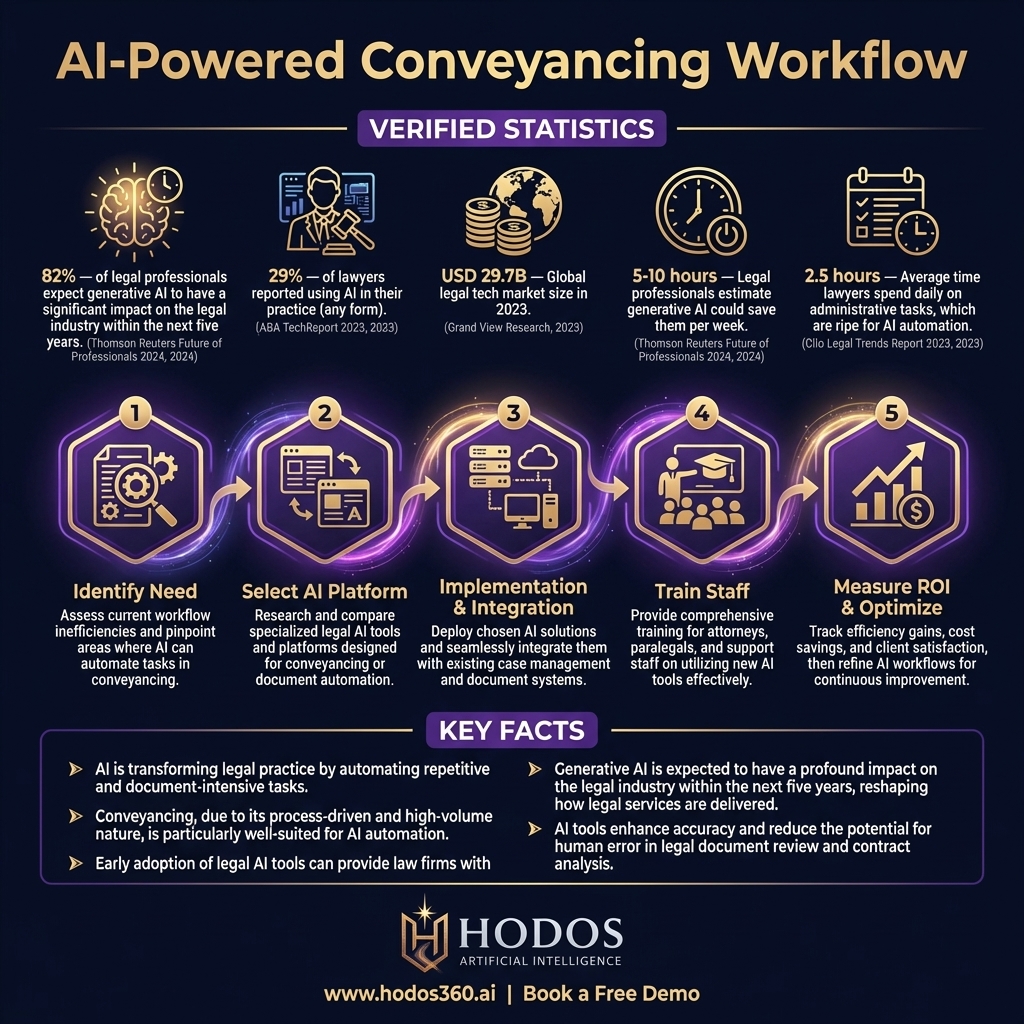
Imagine AI systems sifting through hundreds of pages of deeds, land registry documents, and planning permissions in minutes, flagging anomalies and drafting reports that would traditionally take paralegals days or even weeks. This level of automation ensures meticulous accuracy while drastically cutting down processing times, a critical advantage in high-volume, deadline-driven practice areas.
The benefits of such comprehensive automation extend far beyond internal efficiency. For clients, it means faster property transactions, reduced legal fees due to decreased labor costs, and greater transparency through automated updates. For firms, the competitive advantages are profound: increased throughput allows for handling a higher volume of cases without proportional staff increases, leading to significantly improved profit margins.
Moreover, the enhanced accuracy minimizes the risk of costly errors, which can plague manual processes. This strategic investment positions firms like Keith not just as legal service providers, but as tech-forward partners, attracting clients who value speed, precision, and cost-effectiveness. Learn more about Essential AI Website Builder Guide for Law Firms.
As the market sees these advantages, the human conflict between traditional and automated firms will only intensify.
This blueprint is not exclusive to conveyancing. The underlying principles of identifying repetitive, rule-based tasks and applying advanced AI tools can be replicated across various practice areas. From litigation support, where AI can assist with e-discovery and case prediction, to corporate law, where it can streamline due diligence for mergers and acquisitions, the potential is vast.
Firms looking to emulate Keith's success should consider foundational AI legal workflows like automated client intake, intelligent billing systems, and AI-powered document generation. These initial steps build the infrastructure for more complex automation, fostering a culture of efficiency and innovation. HODOS 360’s AI Law Firm Management System offers integrated solutions that streamline client intake, automate document creation, and manage complex legal workflows, laying the groundwork for such a transformation.
Strategic AI Integration for Law Firm Efficiency
Emulating the success of AI-native firms requires a strategic, not just reactive, approach to legal technology adoption. Firms must move beyond simply purchasing software to fundamentally re-engineering their processes. This involves a phased implementation, starting with pilot programs in high-impact areas, and crucially, investing in comprehensive training and change management for staff.
The goal is to cultivate a workforce that is proficient in leveraging AI legal workflows, rather than resistant to them. Learn more about AI Software Development's **Revolutionary** 2026 Shift. Key areas for immediate impact include automating routine administrative tasks, enhancing client communication through AI voice assistants, and utilizing legal analytics to inform strategic decisions.
These steps not only boost law firm efficiency but also prepare the firm for more advanced AI tools down the line.
Navigating the Legal AI Landscape: Ethics, Regulations, and ROI
The rapid advancement of legal AI brings with it significant ethical and regulatory considerations. The ABA Model Rules of Professional Conduct, particularly Rule 1.1 (Competence) and Rule 1.6 (Confidentiality of Information), underscore the lawyer's responsibility to understand and responsibly deploy technology, safeguarding client data and ensuring the accuracy of AI-generated work.
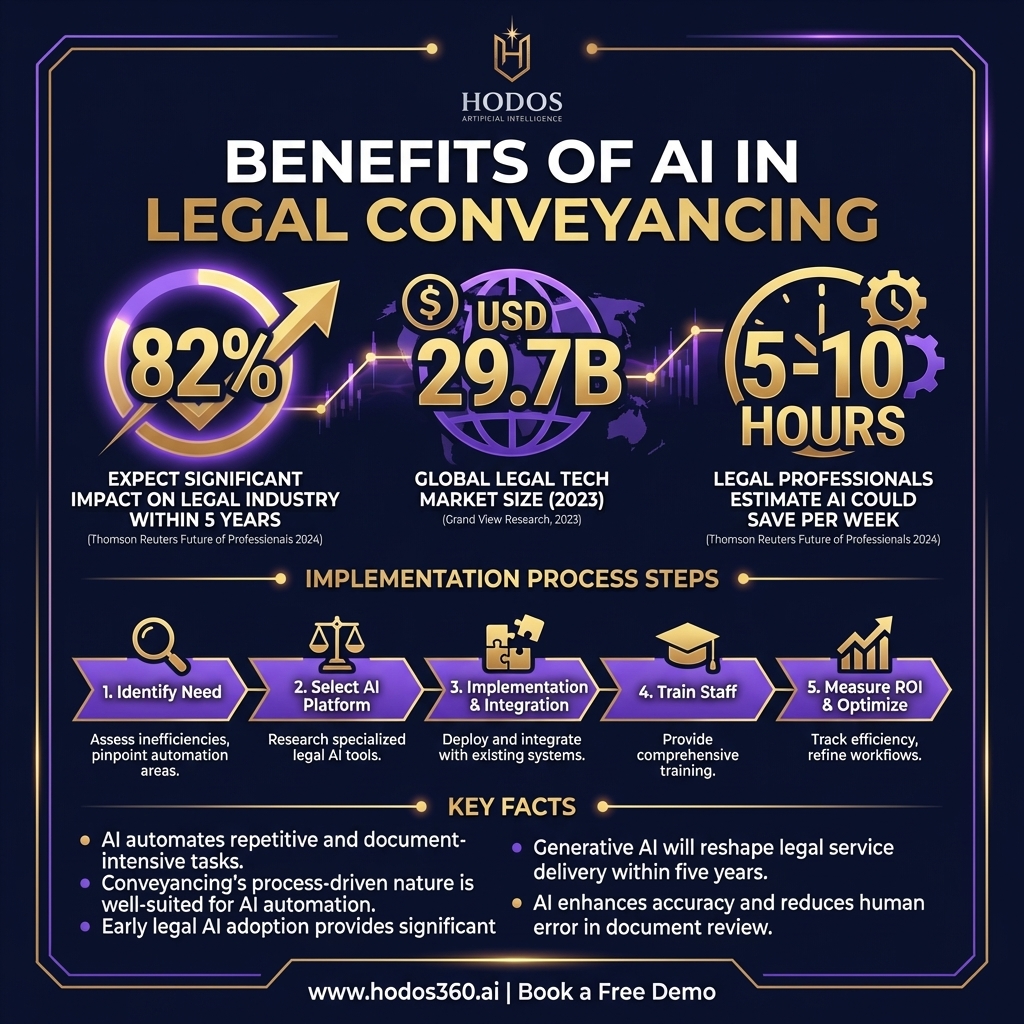
The specter of algorithmic bias, where AI systems inadvertently perpetuate or amplify existing societal biases, demands rigorous oversight and ethical design. Furthermore, recent EU AI Act news highlights a global push towards regulating artificial intelligence, mandating transparency, accountability, and human oversight, especially in high-risk applications.
Law firms must proactively establish robust internal policies and audit mechanisms to ensure their AI tools are used ethically and in compliance with evolving legal frameworks.
Data security and privacy are paramount in the legal profession. As firms integrate legal AI tools that process vast amounts of sensitive client information, the need for ironclad cybersecurity measures becomes even more critical.
AI systems must be designed with privacy-by-design principles, employing advanced encryption, access controls, and anonymization techniques where appropriate. Learn more about Legal AI Adoption: An Essential Guide for Discerning Firms. Firms should vet their AI vendors meticulously, ensuring they adhere to industry-leading security standards and are transparent about their data handling practices.
A breach not only carries severe financial penalties but also irrevocably damages client trust and a firm's reputation, making compliance with data protection regulations like GDPR and CCPA non-negotiable.
Measuring the Return on Investment (ROI) for legal AI initiatives is crucial for sustained adoption. Beyond direct cost savings from automation, firms must consider the broader strategic benefits: increased client satisfaction, enhanced competitive positioning, higher employee retention due to a more engaging work environment, and the ability to pursue new revenue streams.
Metrics for ROI should include not just reduced operational costs but also improvements in case turnaround times, accuracy rates, and client acquisition rates. For example, a firm might track how AI marketing platforms lead to a tangible increase in qualified leads or how AI voice assistants reduce missed calls and improve lead qualification.
The rapid pace of innovation, as seen in daily OpenAI news today, means firms must also factor in the long-term value of future-proofing their practice and staying at the cutting edge of legal tech innovation.
- ✓Assess Current Workflows: Conduct a thorough audit to identify repetitive, high-volume tasks ripe for conveyancing automation or other AI legal workflows.
- ✓Prioritize High-Impact Areas: Focus initial AI deployments on areas that promise the quickest and most significant ROI, such as client intake, document review, or billing.
- ✓Invest in Training and Change Management: Equip your lawyers and staff with the skills and mindset needed to effectively leverage legal AI tools, fostering adoption rather than resistance.
- ✓Ensure Data Security and Compliance: Implement robust cybersecurity measures and adhere to ethical guidelines and regulations like the EU AI Act and ABA Model Rules.
- ✓Start Small, Scale Strategically: Begin with pilot projects, learn from initial implementations, and then gradually expand AI integration across the firm.
- ✓Partner with Experienced Tech Providers: Collaborate with vendors like HODOS 360 who offer proven, specialized legal AI solutions tailored to law firm needs.
- ✓Regularly Evaluate ROI and Adapt: Continuously monitor the performance of your AI investments, adjust strategies based on legal analytics, and stay informed about new legal tech innovation.
The Future of Legal Practice: Beyond Automation
While automation of tasks like conveyancing is a significant step, the future of legal AI extends far beyond simply replicating human processes. We are on the cusp of agentic AI, where systems can autonomously perform complex legal research, draft sophisticated arguments, and even predict litigation outcomes with remarkable accuracy.
Imagine AI not just reviewing documents, but actively strategizing, identifying optimal legal precedents, and even assisting with jury selection by analyzing vast datasets of public information. The role of the lawyer will evolve from information gatekeeper to a highly specialized strategic advisor, technologist, and ethical guardian, focusing on the uniquely human elements of empathy, negotiation, and complex judgment.
This shift demands a new kind of legal professional, one deeply integrated with legal technology adoption.
This evolution is already creating a new competitive landscape. Firms that proactively embrace legal AI tools will not only attract top talent—young lawyers eager to work with cutting-edge technology—but also a new generation of clients who expect efficiency and innovation.
Conversely, firms that resist this transformation risk being outmaneuvered by more agile, tech-forward competitors. The human conflict here is stark: adapt or fall behind. Learn more about Legal Tech Adoption: Mastering AI for Law Firms in 2026. The investment in artificial intelligence is no longer a luxury but a strategic imperative for survival and growth in the 21st-century legal market.
It's about building a sustainable, future-proof practice that can meet the demands of an increasingly complex and interconnected world.
Looking ahead, the integration of AI with other emerging technologies, such as blockchain for secure record-keeping or immersive virtual reality for client consultations, promises to create entirely new modalities of legal service delivery.
The "metaverse" law firm, where clients and lawyers interact in virtual spaces for initial consultations or evidence presentation, is no longer science fiction. These advancements will further augment law firm efficiency and expand access to justice. The continuous evolution of legal tech innovation means that firms must cultivate an innovation mindset, staying abreast of developments and being prepared to integrate novel AI tools to maintain their competitive edge.
The journey of legal AI is dynamic, challenging, and ultimately, profoundly rewarding for those willing to lead the charge.
Cultivating an Innovation Mindset
Cultivating an innovation mindset within a law firm is crucial for successful legal technology adoption. This involves fostering a culture that encourages experimentation, embraces continuous learning, and values cross-functional collaboration between legal professionals and technology experts. Firms must empower their lawyers to explore new AI tools and provide the resources for skill development, ensuring that technology is seen as an enabler rather than a threat.
Ultimately, artificial intelligence serves as an augmentation to human capabilities, allowing legal professionals to dedicate their expertise to the nuanced application of law, strategic thinking, and the empathetic client relationships that remain at the heart of legal practice.

Key Takeaways and Next Steps
The news of Keith's £2M funding and 80% conveyancing automation is a powerful indicator: legal AI is no longer a futuristic concept but a present-day reality driving tangible transformation in law firms. AI-native firms are setting a new benchmark for law firm efficiency and service delivery, forcing the entire industry to adapt.
For law firm owners and attorneys, the key takeaway is clear: strategic legal technology adoption is imperative for sustained growth and competitive advantage. This involves more than just implementing new software; it requires a holistic approach to re-engineering legal workflows, embracing ethical considerations, and continuously measuring the ROI of AI tools.
The journey towards an AI-powered practice begins with a thorough assessment of your current operations. Identify the most time-consuming, repetitive tasks that drain resources and explore how specialized legal AI tools can automate them. Whether it’s streamlining client intake, enhancing document automation, or leveraging AI voice assistants for 24/7 lead qualification, there are immediate opportunities to boost efficiency and profitability.
The future of legal practice belongs to those who proactively integrate artificial intelligence into their core strategies, ensuring they remain relevant, competitive, and highly effective in serving their clients. Ready to lead your firm into the future? Contact HODOS 360 for a personalized consultation on AI transformation.
Frequently Asked Questions
What is an AI-native law firm?+
An AI-native law firm is one built from the ground up with artificial intelligence integrated into its core operational and service delivery models. Unlike traditional firms that retrofit AI, AI-native firms design their workflows, systems, and processes around AI capabilities, maximizing automation, data utilization, and efficiency from inception. This approach allows for scalability and competitive advantages.
How can AI automate conveyancing?+
AI can automate conveyancing by performing tasks such as intelligent document extraction and review (e.g., title deeds, contracts), generating legal documents from templates, conducting automated property searches, and streamlining communication with parties involved. This reduces manual effort, minimizes errors, and significantly accelerates the entire transaction process, leading to greater efficiency.
What are the main benefits of AI for law firms?+
The main benefits include enhanced law firm efficiency through automation of routine tasks, improved accuracy and reduced human error, significant cost savings, faster service delivery, and increased client satisfaction. AI also frees up lawyers to focus on higher-value, strategic work, fostering innovation and providing a competitive edge in the legal market.
Are there ethical concerns with using AI in legal practice?+
Yes, ethical concerns include potential algorithmic bias, ensuring client confidentiality (ABA Model Rule 1.6), data security, and maintaining human oversight over AI-generated work to ensure accuracy and ethical compliance. Firms must adhere to principles like competence (ABA Model Rule 1.1) and stay informed about evolving regulations like the EU AI Act.
How do I get started with AI in my law firm?+
Begin by assessing your current workflows to identify repetitive tasks suitable for automation. Prioritize high-impact areas like client intake or document review. Invest in training your staff, ensure robust data security, and consider partnering with experienced legal tech providers. Start with pilot projects and scale strategically based on measurable ROI.
What kind of ROI can I expect from legal AI?+
ROI from legal AI can be substantial, encompassing reduced operational costs, increased throughput, higher client satisfaction, and competitive differentiation. Firms leveraging generative AI have reported 30-45% efficiency gains. Beyond direct savings, expect improved accuracy, faster service delivery, better resource allocation, and the ability to attract top talent and new clients.