
Voice AI Revolution: Essential Tools for Modern Law Firms
Just last week, Sarah Chen, managing partner at Innovate Legal Group, found herself grappling with a perennial challenge: missed client calls after hours, inconsistent lead qualification, and valuable paralegal time spent on routine inquiries. Her firm, like many across the nation, was struggling to scale personalized client service without dramatically increasing overhead. This tension between client expectations for instant access and the practical limitations of human resources is a defining characteristic of the modern legal landscape. The traditional gatekeepers of legal services are now facing an era where clients demand 24/7 responsiveness and seamless digital interactions.
This evolving demand highlights why the recent announcement, 'Verbatik Launches Voice Tools for MCP-Compatible Assistants,' as reported by Barchart.com, is more than just tech news – it's a significant development for the legal sector. Verbatik's advancements in voice technology, particularly its support for MCP-compatible AI voice assistants, signal a new era of possibilities for law firms. These tools promise to bridge the gap between client needs and firm capacity, offering a scalable solution to enhance client engagement and streamline operations. The legal industry is increasingly turning to artificial intelligence to solve entrenched inefficiencies, and conversational AI is at the forefront of this transformation.
The integration of sophisticated AI voice assistants is poised to redefine how law firms manage everything from initial client intake to complex administrative workflows. This technology, powered by advanced natural language processing and machine learning, moves beyond rudimentary interactive voice response (IVR) systems. It offers a dynamic, intelligent interface that can understand nuance, respond contextually, and even mimic human speech with remarkable accuracy. For firms like Innovate Legal Group, this represents not just an incremental improvement, but a fundamental shift in operational strategy, allowing them to remain competitive and client-centric in an increasingly digital world.
The Ascent of AI Voice Assistants in Legal Operations
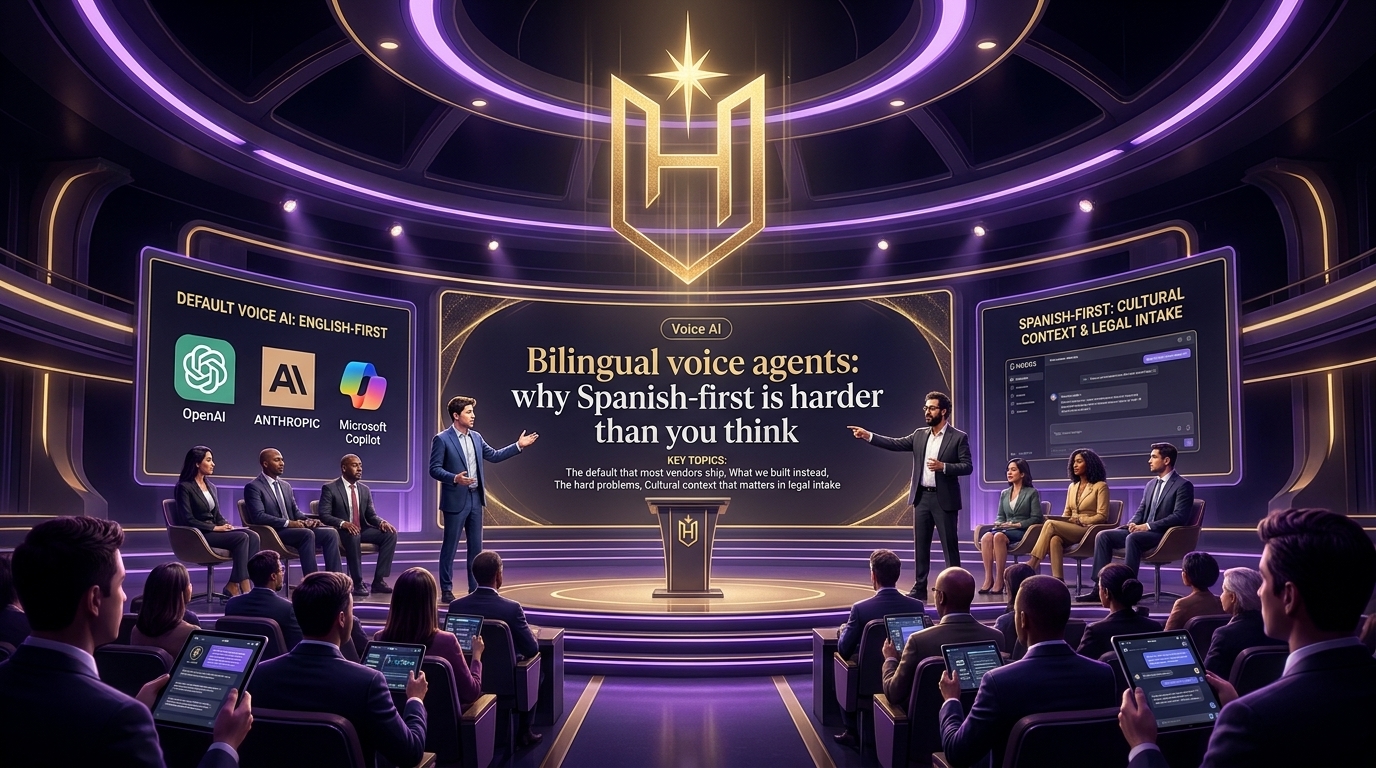
The journey of AI in the legal sector began decades ago with early forays into e-discovery and predictive analytics, evolving rapidly to encompass tasks like contract review and legal research. However, the true frontier of client-facing AI, specifically AI voice assistants, has only recently matured. Pioneers in large language models, such as Sam Altman of OpenAI and Dario Amodei of Anthropic, have laid the groundwork for conversational AI that can understand and generate human-like text and speech, making sophisticated voice interactions a reality. This technological leap has profound implications for a profession historically reliant on human interaction for every client touchpoint.
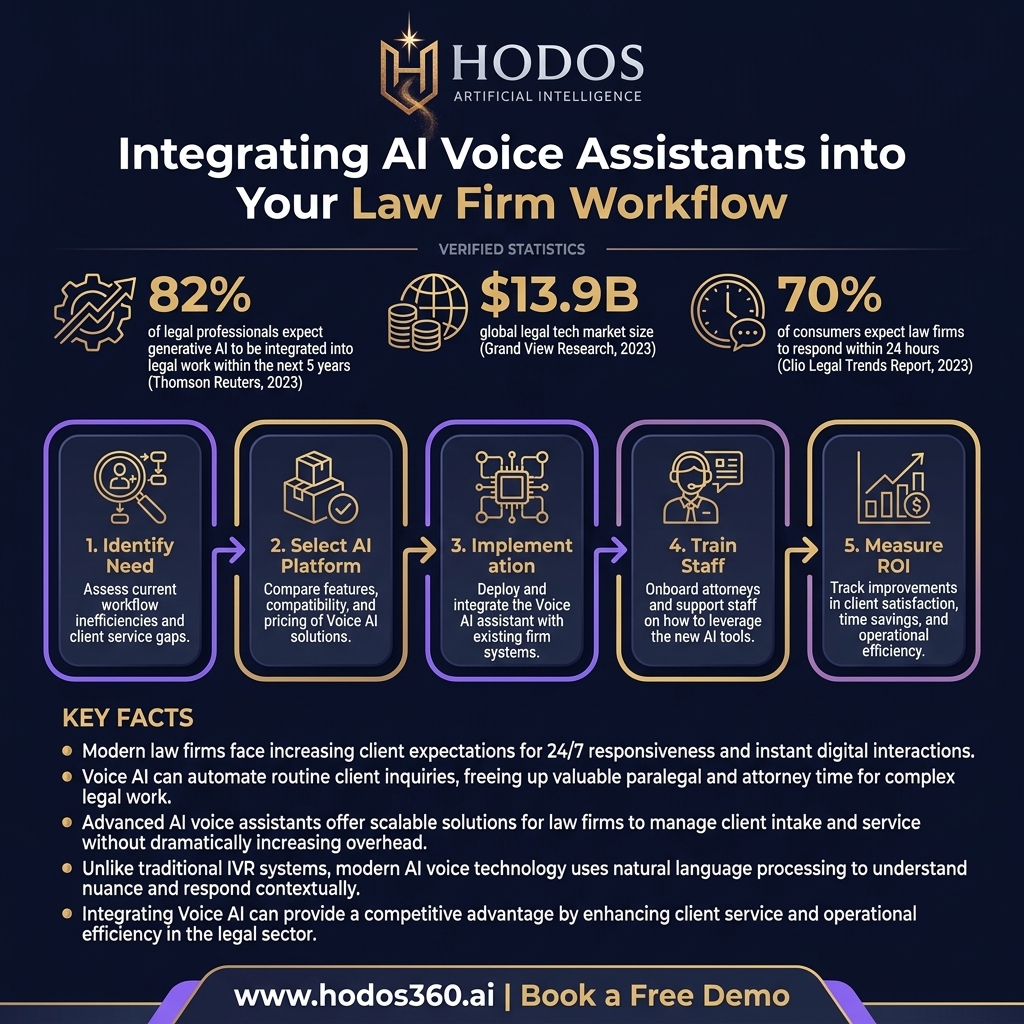
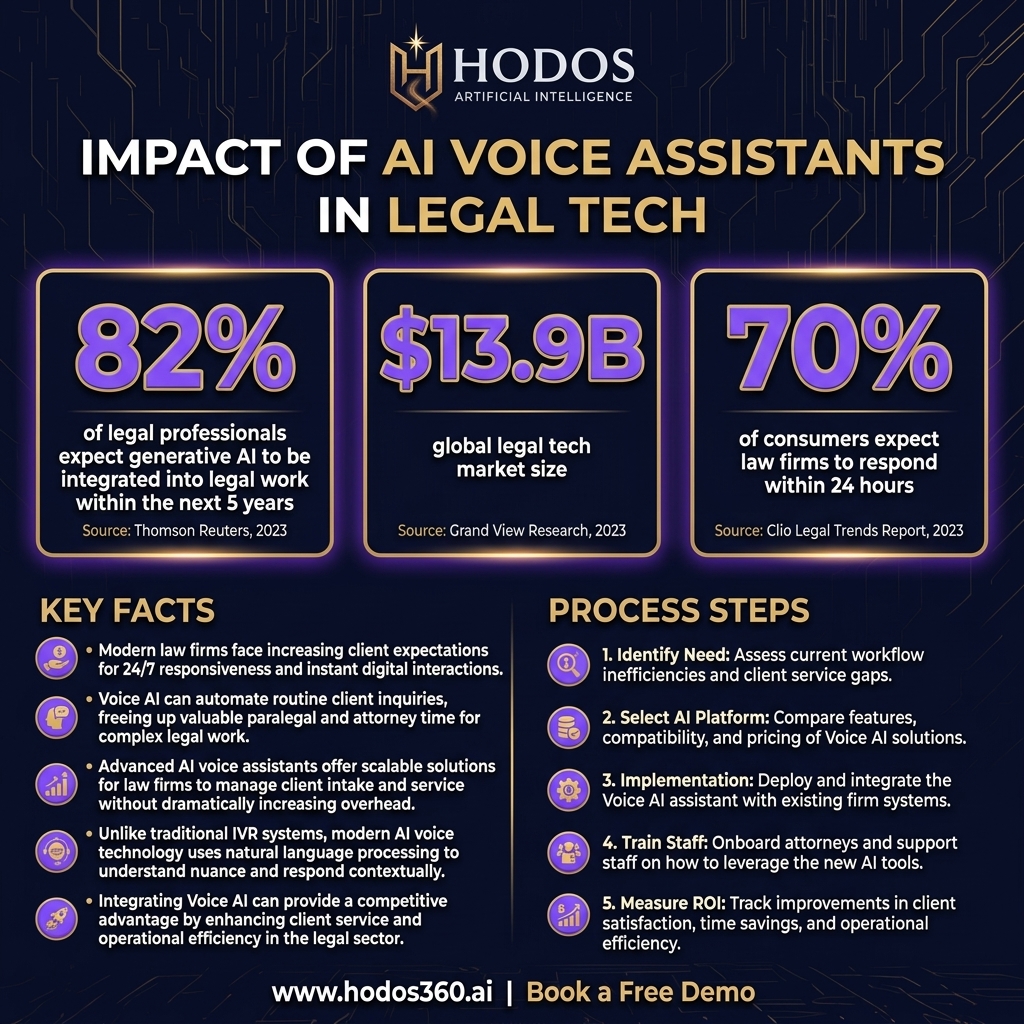
Law firms traditionally face a litany of operational bottlenecks: missed leads from after-hours calls, inconsistent client experiences due to varying staff availability, and the sheer administrative burden of qualifying prospects. Learn more about Legal AI Coordination: An Essential Shift for Law Firms. According to the Thomson Reuters Institute's 2024 State of the Legal Market Report, client satisfaction and firm efficiency are top concerns for managing partners, with technology adoption being a key driver for improvement. Modern AI voice assistants directly address these challenges by providing 24/7 availability, consistent information delivery, and automated initial screening, thereby freeing up valuable human capital for more complex legal work.
Enhancing Client Intake and Qualification
AI voice assistants are revolutionizing the initial client contact phase, transforming it from a potential bottleneck into a streamlined, efficient process. Beyond simply answering calls, these intelligent assistants can skillfully pre-screen potential clients, gather crucial preliminary information such as case type, jurisdiction, urgency, and even conduct basic conflict-of-interest checks. This meticulous pre-qualification process significantly reduces the time attorneys and paralegals spend on non-viable leads, ensuring that human intervention is reserved for high-value prospects ready for deeper engagement.
Consider a scenario where a potential client calls Innovate Legal Group at 10 PM. Instead of encountering an impersonal voicemail system or waiting until morning, an AI voice assistant powered by HODOS 360 engages them instantly. Learn more about Essential AI Marketing Automation for Law Firms. It collects details about their legal issue, explains the firm's specialties, and, crucially, schedules a follow-up appointment directly into the firm's calendar. This instant and seamless interaction ensures that no valuable lead is lost, providing a superior client experience from the very first touchpoint and setting a precedent for responsiveness that traditional methods simply cannot match.
Verbatik's MCP-Compatible Tools: A Game Changer for Legal Tech
The recent launch by Verbatik of voice tools for MCP-compatible assistants marks a pivotal moment for legal technology. MCP, or Multi-Channel Platform, compatibility implies that these advanced voice capabilities can seamlessly integrate across various communication channels and existing software ecosystems. Verbatik's offering boasts an impressive array of features, including access to over 2,700 neural voices in more than 50 languages, instant voice cloning, and sophisticated audio generation. This level of technological sophistication means law firms are no longer limited to generic, robotic voices for their automated interactions; they can deploy highly natural-sounding, context-aware AI voice assistants.
The implications of voice cloning and natural speech generation for the legal profession are profound. Firms can now create a consistent, branded assistant voice that reflects their unique identity and professional ethos. Imagine an AI voice assistant that sounds exactly like a seasoned paralegal or a calm, authoritative attorney, fostering a sense of trust and familiarity even in automated interactions. Learn more about AI Web Development: Essential Collaboration for Law Firms. This capability moves beyond mere functionality, touching upon the critical psychological aspects of client perception and firm branding, offering a distinct competitive advantage in a crowded market where client experience is paramount.
The 'compatibility' aspect of Verbatik's tools is particularly significant. It means these cutting-edge voice capabilities are designed to be integrated into existing legal tech stacks, powering comprehensive platforms like HODOS 360. This interoperability is vital for widespread adoption, as it allows firms to enhance their current systems without a complete overhaul, avoiding the pitfalls of vendor lock-in. Industry discussions at events like LegalTech NYC 2026 consistently emphasize the importance of open platforms and API-first development, underscoring that seamless integration is key to unlocking the full potential of new technologies in the legal sector.
Multilingual Support and Global Reach
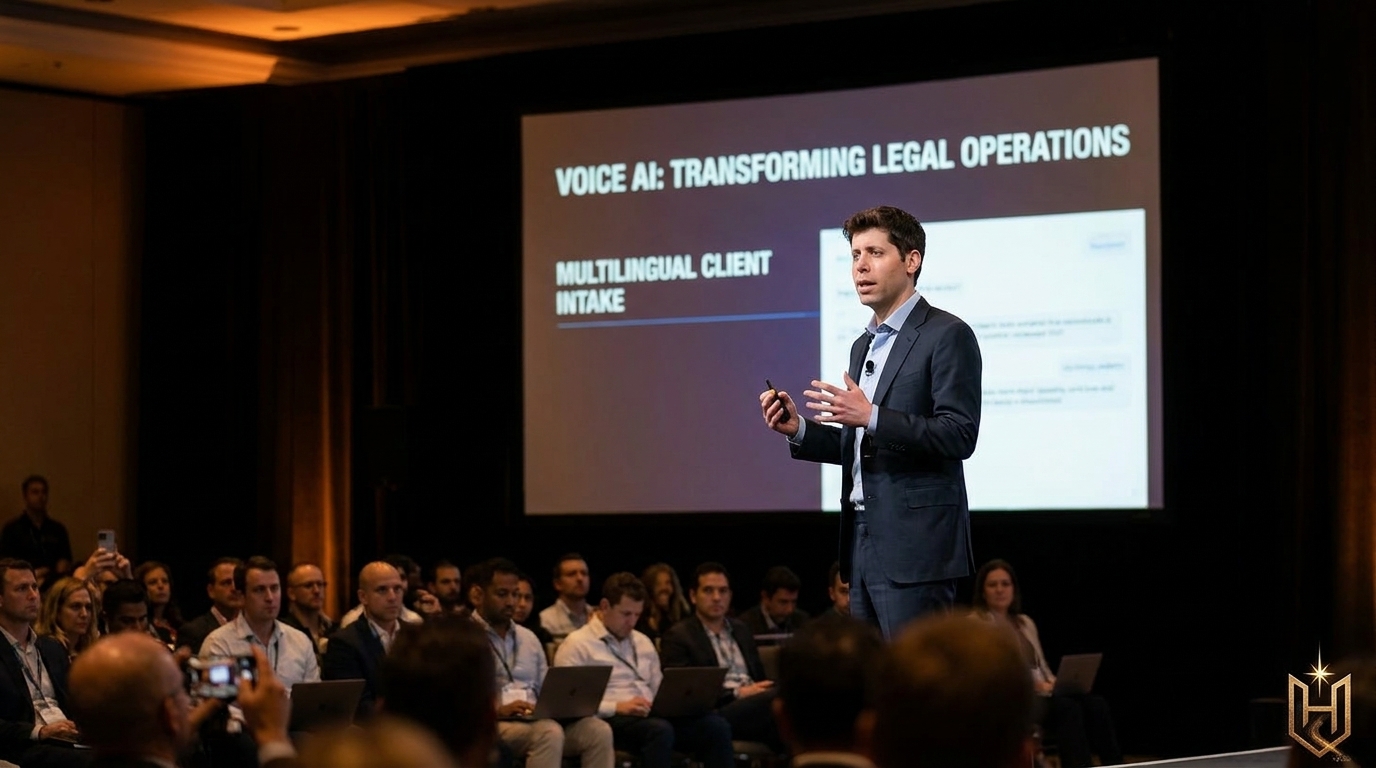
The availability of over 50 languages through Verbatik's voice tools is a game-changer for law firms operating in diverse communities or with international clientele. In an increasingly globalized world, the ability to communicate effectively in a client's preferred language is not just a convenience, but a fundamental aspect of access to justice and client satisfaction. This feature ensures inclusivity, breaking down language barriers that might otherwise prevent potential clients from seeking legal counsel or fully understanding their options. It allows firms to serve a broader demographic, reflecting the diverse linguistic tapestry of modern society.
Consider a law firm in a multicultural hub like Miami or Los Angeles. Learn more about AI Marketing: Revolutionizing Law Firm Growth in 2026. With an AI voice assistant offering support in Spanish, Portuguese, Mandarin, or Haitian Creole, the firm can instantly engage a much wider client base. This significantly improves the initial client experience, making legal services more accessible and welcoming. It also reduces the operational complexity and cost associated with hiring human translators for initial intake calls, streamlining the process while simultaneously expanding the firm's market reach and demonstrating a commitment to serving all community members.
Beyond Basic Answering: Advanced Capabilities of Legal Voice AI
Modern AI voice assistants extend far beyond simple call answering, evolving into sophisticated operational assets that can significantly enhance a law firm's daily workflows. Their capabilities are designed to alleviate administrative burdens, improve client service, and free up legal professionals for higher-value tasks. The true power lies in their ability to integrate deeply into existing legal tech ecosystems, creating seamless and intelligent automation across various functions. Learn more about Ultimate AI Decision Automation: Transforming Legal Marketing. This comprehensive approach transforms the firm's efficiency and client responsiveness.
- ✓Intelligent Lead Qualification: AI voice assistants can engage potential clients in dynamic conversations, asking targeted questions to assess their needs, evaluate the viability of their case, and qualify them against the firm's specific practice areas. This ensures attorneys only engage with high-potential leads, optimizing time and resources.
- ✓Seamless Appointment Booking: Integrating directly with the firm's calendar management systems, these assistants can schedule, reschedule, and send reminders for consultations and meetings. This drastically reduces no-shows and eliminates the manual effort associated with coordinating schedules.
- ✓Automated Information Dissemination: From answering frequently asked questions about firm services, office hours, and fee structures to providing guidance on required documents for initial consultations, AI voice assistants serve as a reliable, 24/7 information hub, reducing inbound calls to human staff.
- ✓AI-Powered Legal Workflows: Voice interactions can trigger complex backend processes. For instance, an AI voice assistant can initiate the creation of a new client intake form in a case management system or generate initial correspondence based on information gathered during a call, leveraging document automation features.
- ✓Client Onboarding Support: Guiding new clients through initial paperwork, explaining next steps, and ensuring they have all necessary information for a smooth start to their legal journey, all through natural voice interaction, greatly enhances the client experience.
- ✓Multilingual Client Support: As highlighted with Verbatik's tools, the ability to communicate in over 50 languages ensures that diverse client populations receive personalized and accessible service, broadening the firm's reach and inclusivity.
Integrating Voice AI: Strategic Considerations for Law Firms
Successfully integrating AI voice assistants into a law firm is a strategic undertaking that requires careful planning and execution. It's not merely a matter of adopting new tools, but rather rethinking workflows and client interaction paradigms. Firms must first clearly define their objectives: Are they aiming to reduce missed calls, improve lead quality, or enhance client satisfaction? This clarity guides the selection and configuration of the AI voice assistant, ensuring it aligns with the firm's overarching business goals. The American Bar Association (ABA) consistently advises law firms to approach technology adoption with a clear strategy, assessing both the benefits and potential challenges.
Customization and training are paramount for an AI voice assistant to be effective in the legal domain. Learn more about Legal AI: The Ultimate Guide to Automating Conveyancing. Unlike general-purpose chatbots, legal AI voice assistants must be trained on legal-specific terminology, firm-specific processes, and ethical boundaries. This involves feeding the AI a corpus of firm documents, FAQs, and interaction scripts to ensure accurate and contextually appropriate responses. Ongoing refinement, based on real-world interactions and feedback, is crucial for the assistant to continuously learn and improve its performance, ensuring it remains a valuable asset rather than a source of frustration for clients or staff.
Ethical AI and Data Security in Voice Interactions
The ethical deployment of AI voice assistants in the legal sector is non-negotiable, particularly concerning client confidentiality and data security. Law firms handle highly sensitive information, making robust cybersecurity measures and strict adherence to data privacy regulations (such as HIPAA in health law contexts or general principles from the General Data Protection Regulation) absolutely critical. Firms must ensure that any AI voice assistant vendor provides secure, compliant server infrastructure and transparent data handling policies. ABA Model Rule 1.6 on Confidentiality of Information mandates that lawyers make reasonable efforts to prevent the inadvertent or unauthorized disclosure of, or unauthorized access to, information relating to the representation of a client, which extends to the technology they employ.
Transparency with clients about interacting with an AI voice assistant is also crucial for maintaining trust. While the goal is a natural and seamless experience, clients should be aware when they are engaging with AI. This responsible approach to AI adoption is exemplified by firms like Allen & Overy, which has publicly discussed its partnership with Harvey AI, emphasizing the need for ethical guidelines and human oversight in all AI applications. As regulatory frameworks like the EU AI Act continue to evolve, staying abreast of compliance requirements will be a continuous effort for legal tech providers and law firms alike, reinforcing the importance of selecting partners like HODOS 360 that prioritize secure and ethical AI development.
The Future of Client Engagement with AI Voice Assistants
Looking ahead, the evolution of AI voice assistants in legal is poised to become even more sophisticated. We can anticipate advancements in emotional intelligence, allowing these tools to better discern client sentiment and tailor responses accordingly. Proactive outreach, where AI voice assistants initiate contact for routine follow-ups or case updates, will become commonplace. Personalized legal information delivery, adapting to specific client profiles and case histories, will further enhance the bespoke nature of legal services, moving beyond generic FAQs to truly individualized support. The integration with emerging technologies like virtual reality (VR) and augmented reality (AR) could also create immersive client consultation experiences.
For law firms, embracing these advanced AI voice assistants is rapidly becoming a competitive imperative, not just an option. Firms that strategically adopt and integrate these tools will gain a significant advantage in attracting and retaining clients, streamlining their operations, and empowering their attorneys to focus on complex, high-value legal strategy rather than administrative tasks. The firms that resist this technological wave risk falling behind, struggling with outdated processes and unable to meet the evolving expectations of the modern legal consumer. The landscape of legal services is undergoing a profound transformation, and AI voice assistants are at the vanguard of this change, reshaping the very definition of client engagement.

Key Takeaways and Next Steps
The legal industry stands at an inflection point, with AI voice assistants emerging as a powerful catalyst for change. From enhancing client intake and qualification to providing multilingual support and automating complex workflows, these intelligent tools, exemplified by Verbatik's MCP-compatible offerings, are redefining efficiency and client engagement. The strategic integration of AI voice assistants allows law firms to operate with unprecedented agility, responsiveness, and scalability, addressing long-standing challenges in the sector.
For forward-thinking law firm owners and legal professionals, the next step is clear: evaluate your current client engagement and administrative processes. Identify areas where AI voice assistants can provide immediate value, always prioritizing ethical considerations, data security, and seamless human-AI collaboration. Platforms like HODOS 360 offer comprehensive solutions, integrating advanced AI voice assistants alongside AI Law Firm Management Systems and AI Marketing Platforms, to provide a holistic approach to modernizing your practice and securing your firm's future in the digital age.
Frequently Asked Questions
What are AI voice assistants in the legal context?+
AI voice assistants in legal are intelligent, conversational AI programs designed to interact with clients and manage administrative tasks using spoken language. They leverage natural language processing and machine learning to understand queries, provide information, qualify leads, and automate workflows, offering 24/7 support and enhancing operational efficiency for law firms.
How do AI voice assistants improve client intake?+
AI voice assistants streamline client intake by answering initial inquiries, pre-screening potential clients, gathering essential case information, and scheduling appointments automatically. This reduces missed leads, ensures consistent information delivery, and frees up human staff to focus on higher-value tasks, significantly improving the firm's responsiveness and client experience.
Are AI voice assistants secure for sensitive legal information?+
Yes, when properly implemented with secure vendors, AI voice assistants can be secure. Reputable providers prioritize robust encryption, data privacy protocols, and compliance with legal regulations like ABA Model Rule 1.6 and general data protection principles. Firms must vet vendors thoroughly to ensure all client data is handled with the utmost confidentiality and security.
Can AI voice assistants handle multiple languages?+
Absolutely. Modern AI voice assistants, like those utilizing Verbatik's tools, are capable of supporting a wide array of languages, often over 50. This multilingual capability enables law firms to serve diverse client populations, expand their market reach, and provide accessible, personalized service to individuals who prefer to communicate in languages other than English.
How does Verbatik's MCP compatibility impact legal AI?+
Verbatik's MCP (Multi-Channel Platform) compatibility means their advanced voice tools can integrate seamlessly with various legal tech systems and communication channels. This enables law firms to leverage Verbatik's high-fidelity voice generation and cloning capabilities within their existing platforms, like HODOS 360, enhancing interoperability and avoiding vendor lock-in for a more unified tech stack.
Will AI voice assistants replace human staff in law firms?+
No, AI voice assistants are designed to augment, not replace, human staff. They automate repetitive, administrative tasks, allowing legal professionals to focus on complex legal work, client strategy, and nuanced interactions that require human judgment and empathy. They act as powerful tools to enhance efficiency and client service, fostering a hybrid model of legal service delivery.