


Essential AI Legal Adoption: Akin's Firmwide Success Blueprint
The legal industry, often characterized by its cautious embrace of technological change, is currently undergoing a profound transformation. At the forefront of this shift is Akin Gump Strauss Hauer & Feld LLP, an Am Law 100 firm that recently made headlines for its ambitious, firmwide rollout of NetDocuments' advanced AI suite.
This isn't just another pilot program; it's a decisive commitment to embedding artificial intelligence across its entire global operations, impacting over 65 million documents. The move signifies a crucial inflection point, signaling that AI is no longer a futuristic concept but a present-day operational necessity for top-tier legal practices.
This strategic embrace, spearheaded by forward-thinking leaders like Jeff Westcott, Akin's London-based Director of Innovation and AI, illustrates a blueprint for how large firms can successfully drive AI adoption and unlock unprecedented efficiencies.
Westcott's vision, articulated in recent industry discussions, emphasizes moving beyond “proof of concept” to “enterprise AI execution.”
This philosophical shift is critical. For years, legal professionals have experimented with various AI tools, often in siloed departments or for specific use cases. However, Akin’s initiative with NetDocuments represents a holistic integration, leveraging AI directly within the document management system (DMS)—the digital heartbeat of any modern law firm.
This deep embedding of AI, including features like Smart Answers and enhanced document intelligence, promises to streamline workflows, reduce manual effort, and free up attorneys to focus on higher-value strategic tasks. The success of such a massive undertaking hinges not only on the technology itself but also on meticulous planning, robust training, and a clear vision for its impact on legal service delivery.
Ready to transform your firm's operations with AI? Discover how HODOS 360’s AI Law Firm Management System can streamline your workflows and boost efficiency. Learn more.
The Strategic Imperative: Why Firms are Prioritizing AI Legal Adoption
The legal landscape is experiencing unprecedented pressures, compelling firms to look beyond traditional methods for competitive advantage. The rise of sophisticated AI technologies isn't merely an option; it's becoming a strategic imperative for survival and growth. Clients, increasingly tech-savvy themselves, demand greater efficiency, transparency, and cost-effectiveness.
Learn more about AI-Native Law Firms: An Essential Guide to Legal Innovation. The global legal services market, projected by reports like those from Thomson Reuters, continues to expand, but so does the complexity of legal work and the volume of data involved. Firms that fail to embrace tools for intelligent document management and automated workflows risk falling behind, struggling with escalating operational costs and a diminished capacity to deliver timely, high-quality service.
This drive towards AI legal adoption is further fueled by the sheer volume of information legal professionals must contend with daily. From contract review to litigation discovery, the manual processing of documents consumes countless attorney hours. The American Bar Association's (ABA) recent technology surveys consistently highlight the growing interest in AI among legal practitioners, even as adoption rates vary.
Learn more about AI Studio Update: Essential Web App Creation for Law Firms. The early adopters, like Akin, recognize that AI offers a scalable solution to these challenges, enabling firms to process vast datasets with speed and accuracy far beyond human capabilities. This translates into faster case resolution, more thorough research, and ultimately, a stronger competitive edge in a saturated market.
Beyond efficiency, AI integration addresses the evolving talent landscape within law firms. Younger generations of legal professionals, accustomed to advanced technology in their daily lives, expect sophisticated tools in their workplaces. Firms that offer cutting-edge AI platforms are more attractive to top talent, demonstrating a commitment to innovation and professional development.
Learn more about AI in MarTech: The Ultimate Guide to Predictive Power. Moreover, AI can alleviate burnout by automating repetitive tasks, allowing attorneys to focus on the intellectually stimulating aspects of law. This strategic investment in AI is therefore not just about technology; it's about future-proofing the firm's talent pipeline and fostering a more engaging, productive work environment.
Ultimately, the imperative for AI legal adoption stems from a fundamental shift in how legal value is created and delivered. Firms are moving away from billing solely for time spent on routine tasks towards offering expertise and strategic insight. AI tools, particularly those embedded within core systems like NetDocuments, facilitate this transition by automating the “drudge work,” thereby elevating the role of the attorney.
Learn more about AI Settlement Rates: An Essential Guide to Maximizing Outcomes. This allows firms to enhance client service, offer more innovative solutions, and reposition themselves as forward-thinking partners in a rapidly changing world. The investment in AI is a commitment to staying relevant and leading the charge in defining the future of legal practice.
The Evolution of Document Management with AI
The concept of document management has undergone a profound transformation, moving from mere storage to intelligent, AI-powered systems. Historically, document management systems (DMS) primarily offered secure storage, version control, and basic search functionalities. While essential, these systems often became digital archives rather than proactive tools for legal work.
Learn more about Privilege & AI: The Ultimate Guide After US v. Heppner. With the advent of advanced AI, particularly natural language processing (NLP) and machine learning, DMS platforms like NetDocuments have evolved into sophisticated engines capable of understanding, analyzing, and even drafting legal content.
This evolution is critical for firms dealing with the exponential growth of digital information.
The integration of AI within document management systems, as seen in Akin's strategic choice, enables capabilities far beyond simple keyword searches. AI can automatically categorize documents, extract key clauses, identify relevant precedents, and even flag potential risks or inconsistencies across millions of files. Jeff Westcott's team at Akin recognized the power of this “embedded intelligence” to dramatically reduce the time attorneys spend on document review and due diligence.
Learn more about Voice AI: The Essential Leap for Law Firm Client Engagement. This isn't about replacing human lawyers but augmenting their capabilities, allowing them to gain insights from vast datasets in minutes, rather than days or weeks, thereby significantly accelerating legal workflows.
Akin's Blueprint: Operationalizing AI Across Millions of Documents
Akin's firmwide deployment of NetDocuments' AI suite serves as a compelling case study for successful enterprise-level AI adoption in the legal sector. The strategic decision to move beyond pilot programs and operationalize AI across its entire 65+ million-document repository was not taken lightly. It involved a rigorous evaluation process, careful planning, and a clear understanding of the firm's specific needs and challenges.
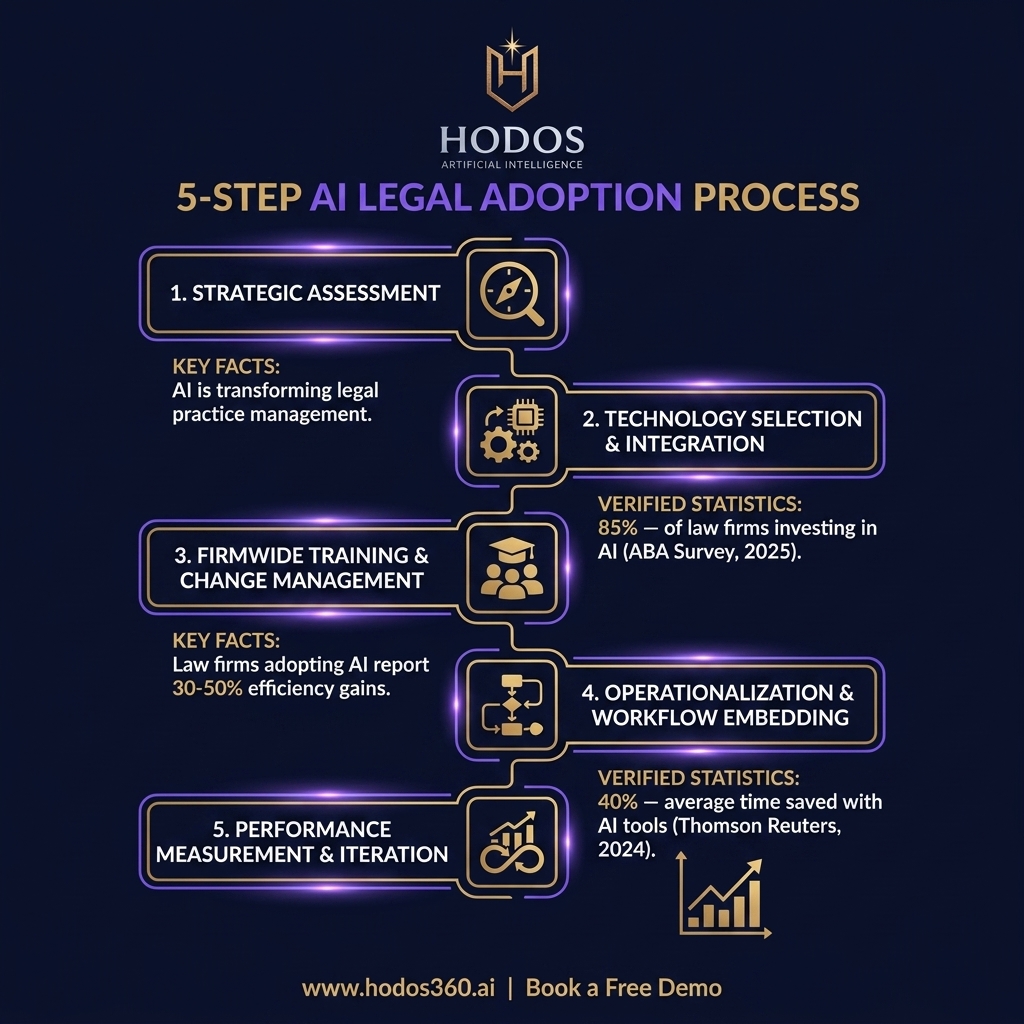
At the core of their strategy was the recognition that AI needed to be seamlessly integrated into existing workflows, becoming an invisible yet powerful assistant rather than an additional, cumbersome tool. This approach minimized disruption and maximized the potential for widespread user acceptance.
The choice of NetDocuments, a leader in cloud-based document and email management, was pivotal. NetDocuments' ndMAX platform, with its embedded AI capabilities like Smart Answers and enhanced legal document intelligence, offered the scalability and security required by a global firm like Akin. According to Dan Polatsek, CEO of NetDocuments, the goal is to “unlock the full potential of a firm's knowledge,” and Akin’s deployment exemplifies this.
The AI suite enables intelligent search, content summarization, and automated clause extraction directly within the DMS, allowing attorneys to quickly pinpoint relevant information and accelerate tasks that previously demanded extensive manual review.
Akin's blueprint also involved a comprehensive change management strategy. Jeff Westcott and his team understood that technology alone is insufficient; successful adoption requires buy-in from the firm's professionals. This included extensive training programs, clear communication about the benefits of AI, and demonstrating how the new tools would enhance, not diminish, their roles.
The focus was on empowering attorneys with tools that would free them from repetitive tasks, allowing them to dedicate more time to complex legal analysis, client strategy, and business development. This human-centric approach to technological deployment is a critical lesson for any firm considering a similar large-scale AI integration.
The initial results and ongoing monitoring of Akin's deployment highlight the tangible benefits of operationalized AI. Attorneys are reporting significant time savings in document review, contract analysis, and legal research. This increased efficiency directly impacts the firm's bottom line and enhances its capacity to deliver value to clients.
Moreover, the enhanced data security and compliance features inherent in a robust, AI-powered DMS provide an additional layer of protection, addressing a key concern for all legal firms. Akin's success demonstrates that with strategic planning and a commitment to firmwide enablement, AI can move from a promising concept to a powerful, embedded operational advantage.
Unlock unparalleled efficiency and innovation for your legal practice. Speak with a HODOS 360 expert today and see how our AI solutions can revolutionize your firm's management and client engagement. Schedule a demo!
Navigating the Human Element: Overcoming Resistance and Fostering Engagement
While the technological capabilities of AI are impressive, the true challenge in firmwide adoption lies in navigating the human element. Law firms are inherently people-centric organizations, and introducing disruptive technologies can often be met with skepticism or resistance. Overcoming this requires a nuanced approach that goes beyond simply providing new tools; it demands fostering a culture of innovation and clearly demonstrating the value proposition to every user, from junior associates to seasoned partners.
Jeff Westcott's emphasis on user experience and empowerment at Akin Gump is a testament to this understanding, recognizing that successful AI integration is as much about psychology as it is about technology.
One of the primary sources of resistance is often the fear of job displacement or the perception that AI diminishes the intellectual rigor of legal work. Firms must proactively address these concerns through transparent communication and education. This involves articulating that AI is an *augmentative* technology, designed to enhance human capabilities, not replace them.
For instance, instead of spending hours manually reviewing thousands of documents for a specific clause, an AI can flag relevant sections in minutes, allowing the attorney to then apply their expert judgment to the refined results. This reframing of AI as a powerful co-pilot, rather than a competitor, is crucial for fostering acceptance and engagement among legal professionals.
Effective training and ongoing support are also paramount. A common pitfall in tech rollouts is insufficient training, leading to frustration and underutilization of new systems. Akin's strategy likely included tailored training modules that demonstrated practical applications of NetDocuments' AI suite relevant to different practice areas. This hands-on approach, combined with readily available support resources, helps users quickly become proficient and experience the benefits firsthand. Furthermore, creating internal champions—attorneys who enthusiastically embrace and advocate for the new technology—can significantly influence peer adoption and overcome initial hesitations within the firm.
Ultimately, fostering engagement with AI requires a long-term commitment to change management and continuous feedback loops. Firms must be willing to listen to user feedback, iterate on their implementation strategies, and celebrate early successes to build momentum. The goal is to embed AI so deeply into the daily routines of legal professionals that it becomes an indispensable part of their workflow, much like email or word processing did decades ago.
By prioritizing the human experience and strategically addressing potential barriers, firms can ensure that their investment in AI translates into genuine firmwide transformation and a competitive advantage.
Cultivating an AI-Ready Culture
Building an AI-ready culture within a law firm extends beyond training; it involves a fundamental shift in mindset. This culture embraces experimentation, continuous learning, and a willingness to challenge traditional ways of working. Firms like Akin, under the guidance of leaders like Jeff Westcott, understand that nurturing such an environment is crucial for sustained AI success.
It means encouraging attorneys to explore AI's potential, providing safe spaces for questions, and recognizing efforts to integrate new tools, even if initial attempts are not perfectly seamless. This proactive approach helps demystify AI and transforms it from a perceived threat into an exciting opportunity for professional growth and innovation.
Beyond the Hype: Tangible Benefits and ROI of Integrated AI
The conversation around AI in legal tech often gravitates towards its futuristic potential, but for firms like Akin, the focus is firmly on tangible benefits and a clear return on investment (ROI). The firmwide operationalization of NetDocuments' AI suite is not an academic exercise; it's a strategic business decision aimed at delivering measurable improvements across various aspects of legal practice.
From enhanced efficiency and cost savings to superior client service and risk mitigation, integrated AI is proving its worth by transforming abstract possibilities into concrete outcomes that directly impact a firm's profitability and reputation.
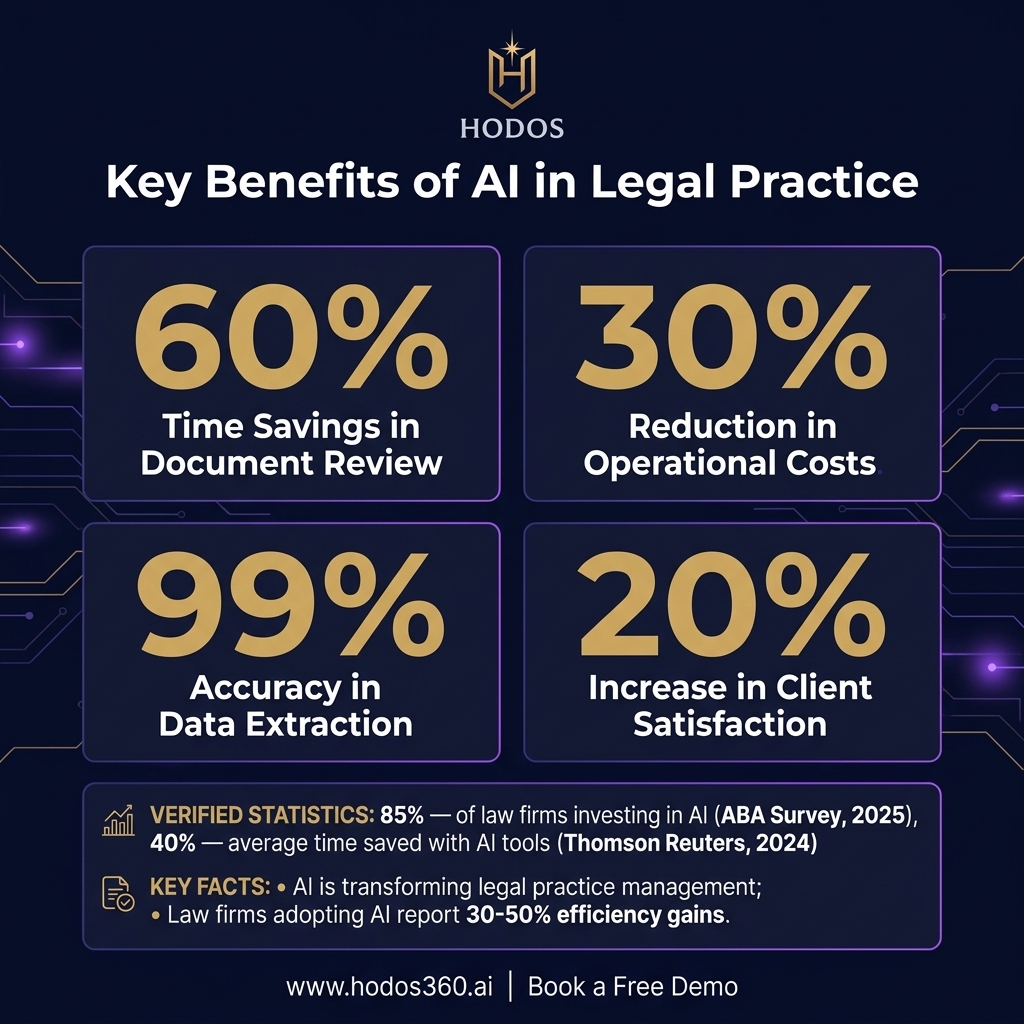
One of the most immediate and significant benefits is the dramatic increase in efficiency. AI-powered tools can perform tasks like document review, due diligence, and contract analysis in a fraction of the time it would take human attorneys. A McKinsey report from 2023 estimated that generative AI could automate tasks that currently consume 60-70% of employees’ time, and while legal work has unique complexities, the principle of significant time savings holds true.
For a firm handling millions of documents, this translates into thousands of billable hours freed up, allowing attorneys to focus on strategic analysis, client counseling, and business development. This direct efficiency gain not only reduces operational costs but also enables firms to take on more matters or deliver existing services faster, enhancing overall capacity.
Beyond time savings, integrated AI significantly improves the accuracy and comprehensiveness of legal work. AI models, trained on vast datasets of legal documents, can identify patterns, anomalies, and critical information that might be missed by even the most diligent human reviewer, especially under time pressure.
This enhanced precision is invaluable in areas like litigation discovery, regulatory compliance, and M&A due diligence, where overlooked details can have severe consequences. By reducing the risk of human error and ensuring a more thorough analysis of documentation, AI helps firms mitigate legal risks and uphold the highest standards of client representation, directly contributing to client satisfaction and firm reputation.
Furthermore, the strategic deployment of AI leads to a competitive advantage in a crowded legal market. Firms that can deliver faster, more cost-effective, and more accurate services are better positioned to attract and retain high-value clients. The ability to leverage AI for predictive analytics, for instance, can help firms advise clients more effectively on potential outcomes or risks, moving beyond reactive legal services to proactive strategic partnerships.
This innovation also positions the firm as a leader, appealing to both clients seeking cutting-edge solutions and top legal talent looking to work with forward-thinking organizations. The ROI is multifaceted, encompassing financial gains, reputational enhancement, and sustained growth.
Measuring Success and Iterating AI Strategies
For AI adoption to be truly successful, firms must establish clear metrics for success and commit to continuous iteration. This involves tracking key performance indicators (KPIs) such as time saved on specific tasks, accuracy rates of AI-assisted reviews, client satisfaction scores, and even attorney utilization rates.
Jeff Westcott’s approach at Akin likely includes such rigorous measurement to ensure the NetDocuments AI suite is delivering on its promise. By analyzing data on AI's impact, firms can identify areas for improvement, refine their strategies, and demonstrate the tangible value of their technology investments.
This data-driven approach transforms AI implementation from a one-time project into an ongoing strategic advantage, ensuring the firm remains at the forefront of legal innovation.

Key Takeaways and The Future of AI-Powered Legal Practice
The journey of Akin Gump with NetDocuments' AI suite is more than just a technology story; it's a testament to the evolving dynamics of the legal industry. The firm's commitment to firmwide AI legal adoption underscores several critical takeaways for legal professionals worldwide. First, AI is no longer optional; it is a fundamental component of modern legal infrastructure, driving efficiency, enhancing accuracy, and enabling superior client service.
Second, successful AI integration requires a holistic approach that prioritizes seamless embedding within existing workflows and a robust change management strategy to foster human engagement. Third, the tangible benefits—from significant time and cost savings to risk mitigation and competitive advantage—are real and measurable.
Looking ahead, the future of AI-powered legal practice promises even greater integration and sophistication. We are seeing continued innovation from companies like OpenAI, with their advanced large language models, and Anthropic, with their focus on safe and responsible AI. The EU AI Act, set to be enforced, will also shape how legal AI is developed and deployed, emphasizing ethical considerations and data governance.
Law firms will increasingly leverage AI not just for document management and research, but for predictive analytics in litigation, automated contract drafting, and even personalized client communication, as platforms continue to evolve. The competitive pressure will intensify for firms that hesitate to invest in these transformative tools.
For firms seeking to embark on their own AI journey, the lessons from pioneers like Akin are invaluable. It’s about more than just buying software; it’s about strategic vision, cultural alignment, and a commitment to continuous innovation. HODOS 360 stands at the forefront of this transformation, offering a comprehensive suite of AI-powered solutions designed specifically for the legal sector.
Our AI Law Firm Management System, much like the embedded intelligence Akin is leveraging, streamlines case management, billing, and document automation, providing the foundational technology for firms to thrive. Furthermore, our AI Marketing Platform, AI Voice Assistants, and Web & Mobile Development services offer a holistic approach to modernizing every facet of a legal practice.
The legal industry is not just adopting AI; it is being redefined by it. Firms that strategically embrace this change, learning from the successes and challenges of their peers, will be the ones that lead the profession into a new era of efficiency, innovation, and client-centricity. The time for deliberation is over; the era of operationalized AI in law is here, and the firms that act decisively will shape its future.
Frequently Asked Questions
What are the primary benefits of AI legal adoption for law firms?+
AI legal adoption offers significant benefits, including dramatically increased efficiency in tasks like document review and legal research, substantial cost savings through automation, enhanced accuracy in legal analysis, and superior client service. It frees attorneys from repetitive tasks, allowing them to focus on high-value strategic work, thereby boosting firm profitability and competitive advantage.
How do law firms overcome resistance to AI adoption among attorneys?+
Overcoming resistance involves transparent communication, demonstrating AI as an augmentative tool that enhances rather than replaces human work. Comprehensive, tailored training, readily available support, and fostering internal champions are crucial. Cultivating a culture that embraces innovation and continuous learning helps attorneys see AI as an opportunity for professional growth and efficiency.
What role does document management play in firmwide AI integration?+
Document management systems (DMS) are central to firmwide AI integration. Embedding AI directly within the DMS, as Akin did with NetDocuments, allows for intelligent search, automated content extraction, and risk identification across millions of documents. This seamless integration ensures AI tools are part of existing workflows, maximizing utility and minimizing disruption for legal professionals.
Can AI help law firms improve client service and satisfaction?+
Absolutely. By streamlining internal processes, AI enables firms to deliver faster, more cost-effective, and more accurate legal services. It allows attorneys to dedicate more time to client strategy and personalized advice. Furthermore, AI-powered insights can lead to more proactive legal counsel and innovative solutions, directly enhancing client satisfaction and strengthening client relationships.
What are the ethical considerations for law firms implementing AI?+
Ethical considerations include data privacy and security, ensuring AI algorithms are free from bias, maintaining attorney-client privilege, and ensuring proper human oversight. Firms must adhere to professional responsibility rules, like ABA Model Rule 1.1 (Competence) and 1.6 (Confidentiality), ensuring AI tools are used competently and securely. Transparency with clients about AI use is also paramount.