


AI Choices: Essential Web Development for Law Firms
In a recent and widely discussed piece, Bill Gates articulated a profound truth: "The turbulent AI era is here. The choices we make now are critical." This sentiment, echoing across industries, resonates particularly deeply within the legal sector. For law firms, these critical AI choices extend far beyond internal operational efficiencies; they fundamentally reshape the very public face of their practice – their web and mobile presence. The digital storefront of a law firm is no longer a static brochure; it is a dynamic, intelligent gateway that either invites engagement and trust or alienates potential clients in an increasingly competitive landscape. As Gates wisely observes, AI holds the potential to be either the greatest equalizer ever invented or the worst source of injustice. For legal professionals, the distinction will largely be determined by how proactively and strategically they integrate AI into their client-facing digital infrastructure.
The implications of this turbulent AI era are already manifest. Clients, accustomed to seamless, personalized experiences from tech giants like Amazon and Netflix, now expect the same from their legal providers. A clunky, outdated website or a non-responsive mobile interface is no longer a minor inconvenience; it's a significant barrier to entry, signaling a firm out of touch with modern demands. Consider the story of "LexCorp Legal," a fictional mid-sized firm that, until recently, relied on a website built over a decade ago. Their partners, initially skeptical of "AI news today" as mere hype, watched as younger, digitally native competitors began siphoning off new business simply by offering more intuitive online intake forms, instant chatbot support, and mobile-friendly access to case updates. LexCorp's initial reluctance to embrace these AI choices led to a tangible decline in new client inquiries, illustrating the immediate consequences of inaction.
This article delves into the crucial AI choices law firms must make regarding their web and mobile development to not only survive but thrive in this new era. We will explore how artificial intelligence is transforming everything from website design and SEO optimization to client portals and lead generation. Drawing on insights from industry leaders, real-world examples, and data from authoritative sources like the ABA TechReport, we will chart a course for legal professionals to navigate this turbulent, yet opportunity-rich, period. The goal is to provide a comprehensive guide to building a digital foundation that is not just compliant and functional, but truly intelligent, responsive, and client-centric, ensuring that your firm harnesses AI as an equalizer, not a source of disadvantage.
The Digital Tsunami: AI's Impact on Law Firm Online Presence
The digital landscape for law firms has undergone a seismic shift, driven by the relentless pace of artificial intelligence innovation. What once served as a static online brochure is now expected to be an interactive, intelligent portal that anticipates client needs and streamlines legal processes. This transformation aligns precisely with Bill Gates' observation about the turbulent AI era is here, emphasizing the urgency of strategic adoption. The rapid evolution of large language models like OpenAI's GPT-4o and Anthropic's Claude 3.5 Sonnet has empowered developers to create sophisticated AI agents capable of generating high-quality content, personalizing user experiences, and automating complex tasks, all within a website or mobile application. Learn more about AI for Law Firms: Essential Guide to Scaling Legal AI. This means firms can now offer instant answers to FAQs, guide prospective clients through intricate intake processes, and even provide preliminary legal information, significantly enhancing accessibility and responsiveness. The firms that fail to make these critical AI choices risk being left behind, struggling to compete with those leveraging AI to offer superior digital experiences.
The data underscores this urgency. According to the "ABA TechReport 2024", a significant portion of law firm clients now begin their legal journey with an online search, and their decision-making is heavily influenced by the quality and responsiveness of a firm's digital presence. McKinsey's 2023 report on "The State of AI" highlighted that generative AI adoption has soared, with 70% of organizations now experimenting with or fully deploying AI. For law firms, this isn't just about keeping up with Google AI trends; it's about meeting evolving client expectations. Learn more about AI Web Builder: The Ultimate Guide for Law Firms. Firms like Linklaters have already invested heavily in AI-driven platforms to enhance their digital service delivery, understanding that a superior online experience translates directly into client acquisition and retention. The choice is clear: embrace AI as a powerful tool for digital transformation or face the risk of becoming irrelevant in a world increasingly shaped by intelligent algorithms. These are the critical AI choices that define success in this new frontier.
Crafting a Future-Proof Digital Presence with AI
Building a future-proof digital presence in the AI era means moving beyond mere aesthetics to focus on intelligent functionality and user experience. It involves leveraging AI to create websites and mobile apps that are not only visually appealing and responsive but also deeply personalized and predictive. For instance, AI algorithms can analyze user behavior on a firm's website, dynamically adjusting content, service recommendations, and call-to-action buttons to maximize engagement. Imagine a prospective client searching for "estate planning attorney"; an AI-powered website could instantly tailor its landing page to highlight relevant resources, attorney bios, and client testimonials specific to estate planning, rather than presenting a generic homepage. Learn more about Building Voice AI: An Essential Guide for Law Firms. This level of personalization, previously the domain of large e-commerce sites, is now accessible to law firms through advanced AI-powered website builders and customization tools. It ensures that every visitor's journey is optimized, converting casual browsers into qualified leads. This proactive approach to web development is a non-negotiable part of making smart AI choices.
Beyond Basic: AI-Powered Web Development for Enhanced Client Engagement
The capabilities of AI in web and mobile development for law firms extend far beyond basic personalization. AI is revolutionizing search engine optimization (SEO), allowing firms to not only rank higher but also to predict emerging search trends and generate optimized content at scale. AI-powered tools can analyze vast datasets of legal queries, competitor strategies, and local market demands to identify high-value keywords and content gaps, ensuring a firm's website is consistently visible to its target audience. Furthermore, AI-driven chatbots and virtual assistants, integrated directly into a firm's website, provide 24/7 support, answering common questions, qualifying leads, and even scheduling initial consultations. Learn more about AI SEO: The Ultimate Growth Engine for Law Firms. This immediate responsiveness significantly improves the client journey, as potential clients no longer have to wait for business hours to get their initial inquiries addressed. Companies like LegalZoom have long leveraged automated systems, but modern AI offers a far more sophisticated and empathetic interaction, making these AI choices crucial for competitive advantage. Firms must recognize that their website is not just an information repository, but a dynamic, intelligent client engagement hub.
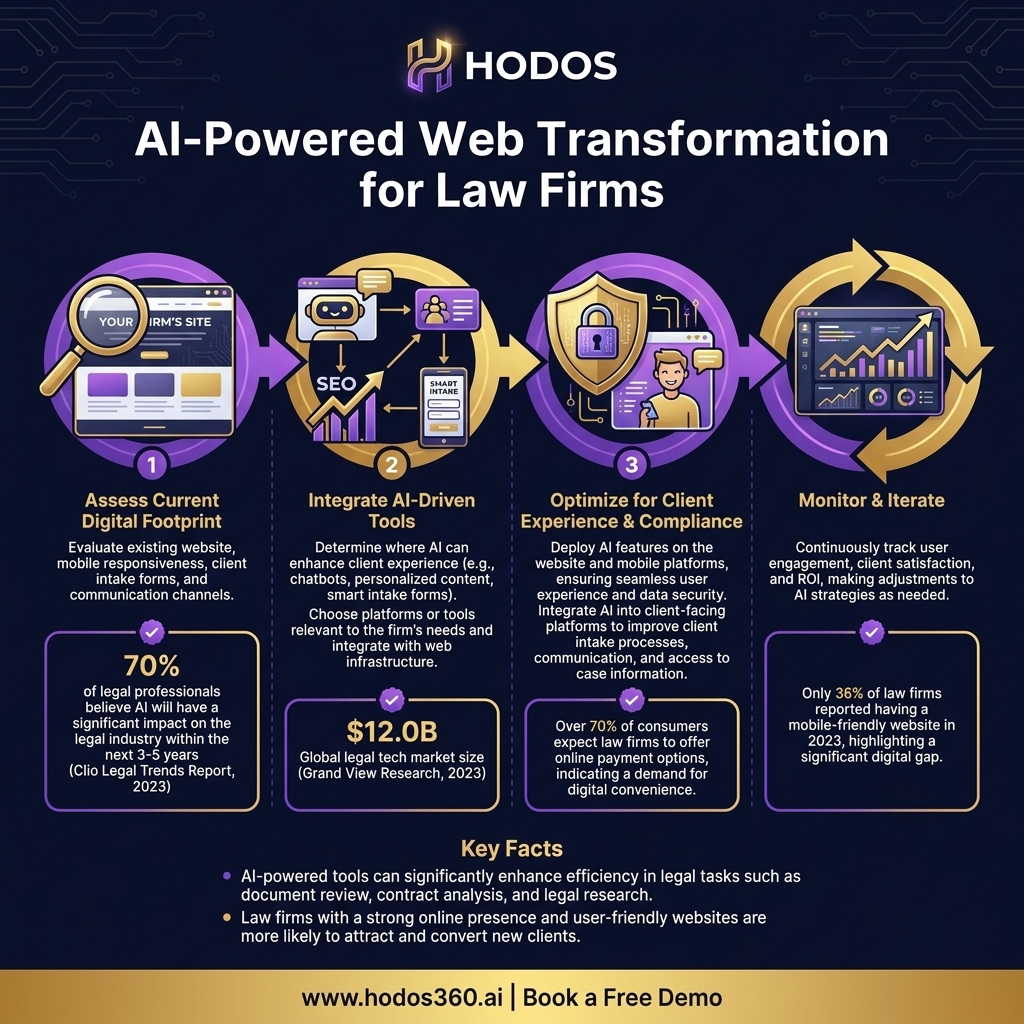
Moreover, AI enhances accessibility and multilingual support, ensuring a firm's digital presence serves a broader and more diverse client base. AI-powered translation services can render website content into multiple languages in real-time, while AI-driven accessibility tools can automatically optimize sites for users with visual, auditory, or cognitive impairments, aligning with best practices for inclusive design. This commitment to accessibility is not only ethical but also expands a firm's market reach. The impact on lead generation is profound; AI can analyze website visitor data to identify high-intent prospects, allowing firms to deploy targeted marketing efforts. Learn more about AI Assistant: Essential Tool for Law Firm Staffing Shortages. For example, if a visitor spends significant time on a page discussing corporate litigation, AI can flag this behavior, prompting a follow-up email with relevant case studies or a direct offer for a consultation. These capabilities transform a website from a passive information source into an active, intelligent lead-generation engine, making strategic AI choices paramount for growth. This is where platforms like HODOS 360, with its AI-powered website building and high-converting templates, offer a distinct advantage, enabling firms to deploy these advanced features without extensive in-house development.
The Competitive Edge of AI-Enhanced Client Portals
Client portals, once simple repositories for documents, are evolving into sophisticated, AI-enhanced platforms that redefine the client experience. With AI integration, these portals can offer personalized dashboards that display real-time case progress, upcoming deadlines, and relevant communications, all tailored to the individual client's needs. AI can automate the categorization and tagging of documents, making it easier for clients to find specific files without sifting through endless folders. Secure messaging features, often augmented by AI for sentiment analysis or quick response suggestions, streamline communication between clients and attorneys, reducing administrative overhead and improving responsiveness. Learn more about AI Marketing Workflows: The Proven Advantage for Law Firms. For example, a client might receive an AI-generated summary of recent case activity, allowing them to quickly grasp key developments without needing to contact their attorney directly for every update. This level of transparency and efficiency builds trust and significantly improves client satisfaction, translating into stronger client retention and valuable referrals. The "ABA TechReport 2024" highlighted a growing client expectation for such self-service options, underscoring that these sophisticated AI choices are rapidly becoming a baseline, not a luxury.
Navigating the Ethical and Regulatory Landscape of AI in Web Design
As law firms embrace AI in their web and mobile development, they must navigate a complex ethical and regulatory landscape, a critical aspect of the turbulent AI era. The very power of AI to personalize and automate brings forth significant concerns regarding data privacy, algorithmic bias, and the ethical implications of AI-generated content. For instance, AI models trained on biased datasets could inadvertently lead to discriminatory outcomes in lead qualification or content recommendations. Firms must be acutely aware of how client data is collected, stored, and utilized by AI systems, ensuring strict adherence to regulations like GDPR, CCPA, and emerging state-specific data privacy laws. The EU AI Act, expected to be fully enforced soon, sets stringent requirements for high-risk AI systems, which could potentially apply to certain AI functionalities embedded in legal websites, particularly those involved in sensitive data processing or decision-making. Transparency is paramount; clients should be informed when they are interacting with an AI (e.g., a chatbot) and how their data is being used. Failure to address these ethical considerations not only risks reputational damage but also severe legal repercussions, making thoughtful AI choices essential for compliance and trust.
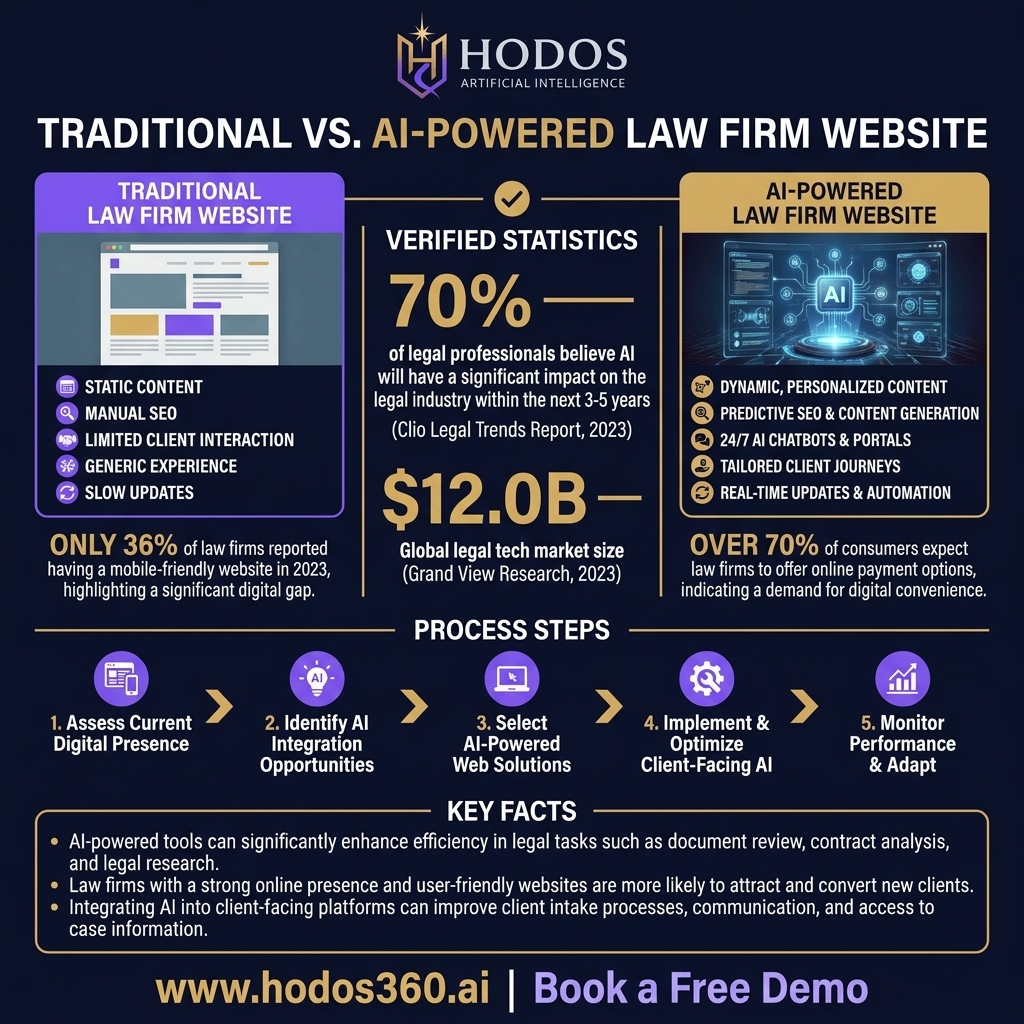
Ensuring compliance in an evolving digital world requires a proactive and multi-faceted approach. Law firms must implement robust data governance frameworks for their AI-powered websites, including clear consent mechanisms for data collection and transparent policies on AI usage. Regular audits of AI algorithms and their outputs are crucial to detect and mitigate potential biases or privacy breaches. From a professional responsibility standpoint, attorneys have an ethical duty of technological competence, as outlined in ABA Model Rule 1.1 (Competence), which extends to understanding the risks and benefits of technologies used in their practice, including AI in web development. Furthermore, ABA Model Rule 1.6 (Confidentiality of Information) mandates safeguarding client information, which applies rigorously to data handled by AI systems on a firm's website or client portal. Firms should consult with legal tech experts and cybersecurity specialists to establish best practices, ensuring their digital infrastructure is not only innovative but also ethically sound and legally compliant. This careful consideration of ethical boundaries and regulatory frameworks is a hallmark of responsible AI choices in a professional context.
Ensuring Compliance in an Evolving Digital World
The dynamic nature of AI and legal tech means compliance is not a one-time setup but an ongoing process. Law firms must establish internal policies for AI use in their web presence, detailing how AI tools are selected, implemented, and monitored. This includes due diligence on third-party AI vendors to ensure their security protocols and data handling practices meet stringent legal and ethical standards. Continuous training for staff on AI ethics, data privacy, and cybersecurity best practices is also vital. Consider the case of a prominent U.S. law firm that faced public scrutiny after an AI-powered lead generation tool on their website inadvertently collected more client data than legally permissible, leading to a minor regulatory fine and a significant PR challenge. This incident underscored the necessity of vigilant oversight and regular updates to compliance strategies. Firms should also stay abreast of new legislation and guidelines from bodies like the ABA and state bar associations, adapting their digital strategies accordingly. These proactive measures are fundamental to making responsible and sustainable AI choices in a rapidly changing legal landscape.
Strategic AI Investments: Building vs. Buying Digital Solutions
When it comes to integrating AI into web and mobile development, law firms face a strategic fork in the road: do they build custom AI solutions in-house, or do they leverage existing AI-powered platforms? The "build vs. buy" decision is fraught with considerations of cost, time, expertise, and long-term maintenance. Building in-house offers unparalleled customization and control, allowing a firm to tailor every AI feature to its precise needs. However, this path demands significant investment in AI developers, data scientists, and specialized infrastructure, a prohibitive cost for most firms outside of the largest global players like Allen & Overy, which famously partnered with Harvey AI to develop bespoke legal AI tools. For the vast majority of law firms, the complexity and expense of building advanced AI capabilities from scratch are simply not feasible, especially given the rapid pace of technological change. This makes careful AI choices about resource allocation crucial.
- ✓Cost-Effectiveness: Ready-made AI platforms typically operate on subscription models, offering predictable expenses compared to the high upfront and ongoing costs of in-house development.
- ✓Speed to Market: Implementing a pre-built AI solution is significantly faster, allowing firms to deploy advanced web features in weeks rather than months or years.
- ✓Access to Expertise: Reputable platforms are developed by AI specialists, ensuring cutting-edge technology and continuous updates without requiring in-house AI talent.
- ✓Reduced Maintenance Burden: The vendor is responsible for system updates, security patches, and troubleshooting, freeing up internal IT resources.
- ✓Scalability: Cloud-based AI platforms are designed to scale effortlessly with a firm's growth, accommodating increasing client loads and data volumes.
- ✓Integrated Solutions: Many platforms offer integrated suites of services, from CRM to marketing, creating a cohesive digital ecosystem.
For most law firms, the "buy" option presents a more pragmatic and efficient route. Leveraging platforms that specialize in AI-powered web and mobile development, like HODOS 360, allows firms to access sophisticated AI capabilities without the heavy lifting of internal development. These platforms provide AI-powered website building tools, responsive design, SEO optimization, and high-converting templates, all designed specifically for the legal industry. This approach democratizes access to advanced AI, enabling even solo practitioners or small to mid-sized firms to compete effectively with larger players on digital presence. The strategic AI choices here involve selecting a vendor that understands the unique regulatory and ethical demands of the legal profession, ensuring that their AI solutions are compliant, secure, and truly enhance the client experience. By carefully evaluating the long-term benefits and risks, firms can make informed decisions that align with their growth objectives and commitment to innovation.

The Future is Now: Actionable Steps for Law Firm Digital Leadership
Bill Gates' stark warning about the "turbulent AI era" serves not as a deterrent, but as a rallying cry for proactive engagement. For law firms, the critical AI choices regarding web and mobile development are no longer optional; they are foundational to future success. The firms that will lead in this era are those that view their digital presence not as a static asset, but as a dynamic, AI-powered ecosystem designed to attract, engage, and retain clients. This requires a shift in mindset, embracing continuous innovation and a willingness to experiment with new technologies. Begin by auditing your current digital footprint, identifying areas where AI can enhance client experience, streamline lead generation, and improve operational efficiencies. Prioritize investments in AI-powered tools that offer measurable ROI and align with your firm's ethical obligations and compliance requirements. Engage your team in understanding AI's potential and limitations, fostering a culture of technological competence and innovation. The future of legal service delivery is inextricably linked to intelligent digital platforms, and the time for decisive action is now. By making informed and strategic AI choices, your firm can transform potential turbulence into unparalleled opportunity, securing its place at the forefront of the legal industry.
Frequently Asked Questions
What are the primary benefits of AI-powered web development for law firms?+
AI-powered web development offers numerous benefits, including enhanced SEO for better visibility, personalized client experiences, 24/7 client support via AI chatbots, streamlined lead qualification, improved accessibility, and multilingual capabilities. These features collectively boost client engagement, operational efficiency, and ultimately, a firm's competitive advantage in the digital sphere.
How can AI help my law firm's website attract more clients?+
AI attracts more clients by optimizing your website for search engines through predictive analytics and content generation, ensuring high visibility. It also personalizes visitor experiences, guiding prospective clients to relevant services. AI-driven chatbots provide instant answers and qualify leads, converting casual browsers into potential clients more effectively. This proactive engagement significantly increases client acquisition.
What ethical considerations should law firms keep in mind when using AI for web development?+
Law firms must prioritize data privacy, ensuring AI systems comply with GDPR, CCPA, and ABA Model Rules on confidentiality. It's crucial to mitigate algorithmic bias in content or recommendations and maintain transparency with clients about AI interactions. Regular audits of AI tools and robust data governance frameworks are essential to uphold ethical standards and avoid legal pitfalls.
Is it better to build an AI-powered website in-house or use a platform like HODOS 360?+
For most law firms, leveraging a specialized AI-powered platform like HODOS 360 is more pragmatic than building in-house. Platforms offer cost-effectiveness, faster deployment, access to expert technology, reduced maintenance burdens, and scalability. Building in-house requires significant investment in developers and infrastructure, which is typically only feasible for very large firms.
How does AI enhance client portals for law firms?+
AI enhances client portals by providing personalized dashboards with real-time case updates and deadlines. It automates document categorization, making file access easier for clients. Secure AI-augmented messaging streamlines communication, reducing direct attorney contact for routine inquiries. This increased transparency, efficiency, and self-service capability significantly improves client satisfaction and trust.