


AI Marketing for Law Firms: Essential Strategies Unveiled
The legal industry, often perceived as a bastion of tradition, is experiencing an unprecedented technological shift, particularly in client acquisition and engagement. Just last week, the news of Snappy Kraken's launch of Snappy AI, a 'Marketing Operations Coworker' specifically designed for financial advisors, sent ripples across the professional services sector. Robert Sofia, CEO of Snappy Kraken, emphasized the platform's ability to create hyper-personalized content and streamline complex marketing operations, fundamentally changing how advisors connect with their clientele. This development isn't merely a niche innovation; it's a clear signal that AI marketing for law firms is not just a future trend but a present imperative. Law firms that hesitate to adopt these AI-driven strategies risk being outpaced by more agile competitors who are already harnessing the power of artificial intelligence to personalize outreach, optimize campaigns, and capture market share.
The competitive landscape for legal services has never been more intense. Clients, accustomed to highly personalized experiences in other industries, now expect the same from their legal counsel. Generic email blasts and one-size-fits-all content no longer cut through the noise. This is where AI marketing offers a transformative edge. For years, law firms grappled with the labor-intensive tasks of content creation, lead qualification, and campaign management. The promise of AI isn't just automation; it's the ability to analyze vast datasets, predict client needs, and generate highly relevant communications at scale, freeing up valuable attorney time to focus on complex legal work. Firms like Allen & Overy, early adopters of AI tools such as Harvey AI for legal research, have already demonstrated a willingness to embrace technology for operational efficiency. The next frontier is unequivocally marketing.
This article delves into how AI marketing for law firms is redefining client acquisition and retention. We will explore the essential strategies and cutting-edge tools that legal practices can deploy to stay ahead. From crafting compelling, personalized content to optimizing marketing spend with predictive analytics, AI offers a robust framework for growth. The insights from Snappy Kraken's success with financial advisors provide a powerful blueprint, demonstrating that tailored AI solutions can unlock significant value. As the legal world gathers at events like LegalTech NYC 2026, the discussions invariably turn to AI's impact. The question is no longer *if* AI will transform legal marketing, but *how* rapidly law firms will integrate these powerful tools into their core strategies. It's time to move beyond theoretical discussions and implement practical, AI-driven solutions that deliver tangible results.
The AI Marketing Imperative for Legal Practices
The shift towards AI marketing for law firms is driven by several undeniable forces, primarily the escalating cost of client acquisition and the demand for greater efficiency. Traditional marketing channels, while still relevant, often suffer from diminishing returns and a lack of precise targeting. According to the 2024 ABA TechReport, over 70% of law firms are exploring or actively implementing AI solutions in various capacities, with marketing and client intake rapidly rising in priority. This widespread exploration signals a recognition that AI is not a fleeting trend but a fundamental shift in operational strategy. Firms that embrace AI are not just modernizing; they are strategically positioning themselves for sustainable growth in a fiercely competitive market, leveraging data to make informed decisions rather than relying on intuition or outdated methodologies. This strategic adoption is critical for remaining competitive and relevant in an evolving digital landscape.
The real drama in the legal tech space lies between firms that are aggressively adopting AI and those that remain hesitant, often due to concerns about cost, complexity, or perceived ethical risks. Learn more about Client Pressure: The Ultimate Driver of Law Firm AI Investment. This tension creates a clear divide: innovators are gaining a significant competitive advantage, while laggards risk being marginalized. For instance, while larger firms might have the resources to invest in bespoke AI solutions or partner with giants like Thomson Reuters for advanced analytics, smaller and mid-sized firms can leverage accessible platforms that integrate various AI capabilities. The challenge for many legal professionals is understanding that AI isn't about replacing human expertise but augmenting it, allowing attorneys and marketing teams to focus on high-value tasks. This is where comprehensive platforms, like HODOS 360's AI Marketing Platform, become invaluable, offering integrated solutions for content generation, social media automation, and ROI tracking, designed specifically for the nuanced needs of law firms.
Beyond Automation: Personalized Content and Engagement
At the heart of effective AI marketing for law firms lies the ability to deliver hyper-personalized content and engagement. Gone are the days when a generic newsletter sufficed. Today's clients expect legal information and services tailored to their specific situation, industry, and even emotional state. AI, through natural language generation (NLG) and advanced predictive analytics, makes this level of personalization not only possible but scalable. Consider a scenario where a corporate law firm needs to engage potential clients regarding new regulatory changes. Instead of drafting a single, broad advisory, an AI marketing platform can analyze a prospect's industry, past interactions, and expressed interests to generate bespoke content—be it a nuanced article on sector-specific implications or a targeted email highlighting relevant case studies. This level of customization fosters deeper engagement and builds trust, directly addressing the client's immediate concerns and demonstrating the firm's specialized expertise.
The impact extends far beyond just email. Learn more about AI Voice Platform: Essential for Modern Legal Operations. AI can power dynamic website content that adapts based on visitor behavior, social media posts optimized for specific audience segments, and even AI-driven video creation, a service offered by leading platforms. For example, if a small business owner visits a law firm's website looking for information on intellectual property, AI can ensure that subsequent content, from blog recommendations to targeted ads, focuses on IP law, rather than, say, real estate. This 'next-level' engagement strategy is a game-changer. It transforms passive browsing into an active, guided journey towards conversion. The competitive edge provided by such personalized campaigns is immense, allowing firms to effectively nurture leads and convert them into loyal clients by demonstrating a profound understanding of their unique legal needs. This strategic application of AI is what distinguishes forward-thinking firms.
Crafting Impactful AI-Driven Legal Campaigns
Developing impactful AI-driven legal campaigns requires a strategic approach that integrates human oversight with algorithmic precision. The goal is to move beyond simple automation to create truly intelligent campaigns that resonate deeply with potential clients. This involves using AI to identify high-value opportunities, segment audiences with unparalleled accuracy, and deploy multi-channel campaigns that are both timely and relevant. Learn more about AI Settlement Rates: An Essential Guide to Maximizing Outcomes. For instance, a personal injury firm could use AI to monitor local news for accident reports, cross-reference this with demographic data, and then launch highly targeted social media ads or content pieces offering specific legal advice to affected areas. This proactive and precise outreach is far more effective than broad-stroke advertising, allowing firms to 'steal these ideas' from their AI systems to generate better leads and conversions.
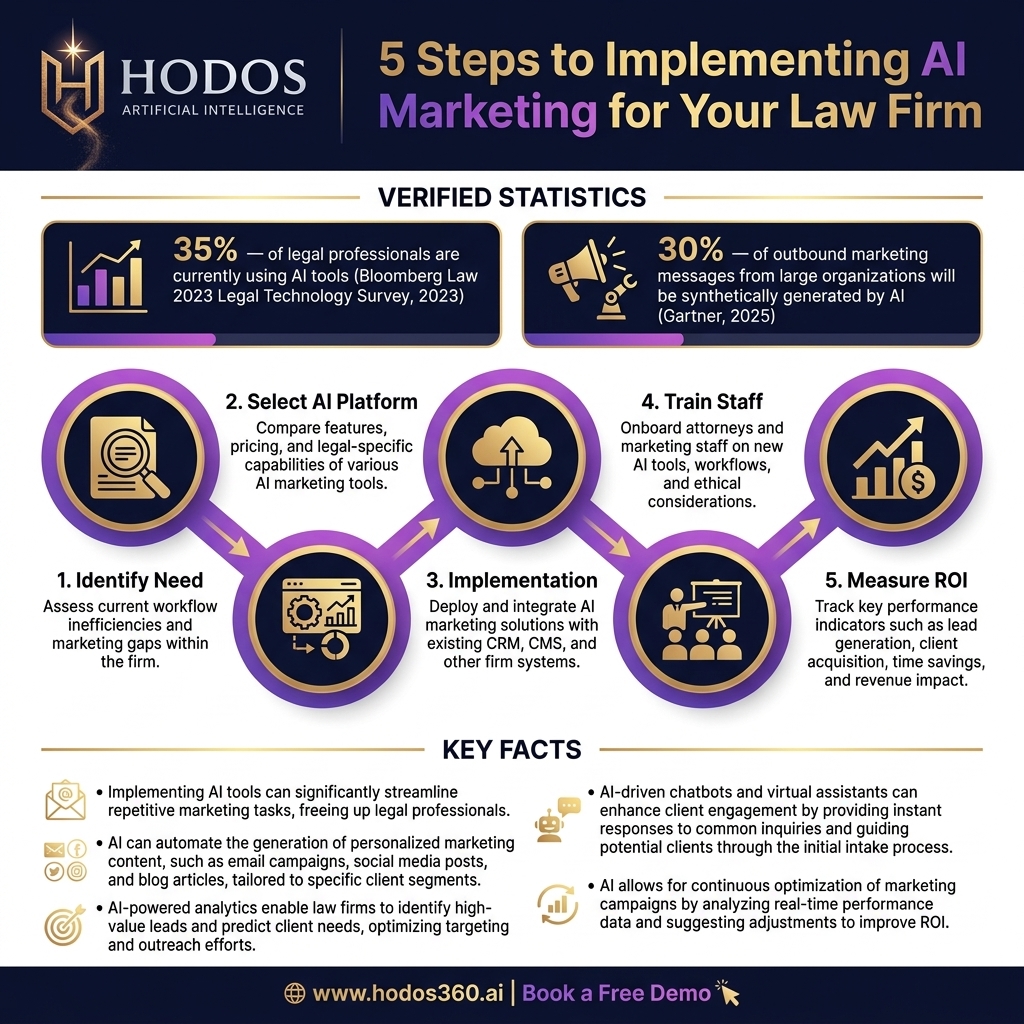
- ✓Audience Segmentation: AI analyzes vast datasets to segment potential clients based on demographics, behavior, legal needs, and psychographics, allowing for ultra-targeted messaging.
- ✓Content Generation & Curation: AI assists in drafting blogs, articles, social media posts, and email copy, ensuring relevance and optimizing for SEO, while human experts refine for legal accuracy.
- ✓Predictive Analytics: AI forecasts future client needs and market trends, enabling firms to anticipate demand and proactively create relevant campaigns.
- ✓Automated Campaign Management: From scheduling social media posts to deploying email sequences, AI automates repetitive tasks, ensuring consistent outreach.
- ✓Personalized Website Experiences: AI tailors website content, calls-to-action, and even navigation paths based on individual visitor behavior and preferences.
- ✓AI-Powered Lead Qualification: AI voice assistants or chatbots can qualify leads 24/7, booking appointments for qualified prospects and filtering out unsuitable inquiries.
- ✓ROI Optimization: AI tracks campaign performance in real-time, identifying what works and what doesn't, allowing for continuous optimization of marketing spend and strategy.
AI-Powered Analytics and ROI Tracking
One of the most profound advantages of AI marketing for law firms is its capability for advanced analytics and meticulous ROI tracking. Historically, measuring the true return on marketing investment has been a significant challenge for legal practices. Firms often invested in broad advertising or PR without clear metrics on how these efforts translated into actual cases or revenue. AI changes this by providing granular insights into every aspect of a marketing campaign. Platforms can track client journeys from the very first touchpoint to conversion, attributing revenue directly to specific marketing activities. This level of transparency allows firms to understand precisely which campaigns are most effective, which channels yield the highest-value clients, and where marketing spend can be optimized or reallocated. The ability to link marketing activity directly to assets under management, as seen with Snappy Kraken's AUM Pipeline Dashboard, offers a compelling vision for legal firms to quantify their marketing impact with unprecedented accuracy.
The real-time dashboards and predictive models generated by AI empower law firm leaders to make data-driven decisions. Learn more about AI Software Development's **Revolutionary** 2026 Shift. Instead of guessing, they can see exactly how many leads a particular content piece generated, the conversion rate of a specific email campaign, or the ROI of their social media efforts. This capability is crucial for maximizing efficiency and ensuring that every marketing dollar is spent effectively. For example, a firm might discover through AI analytics that a specific type of blog post consistently attracts high-net-worth clients for estate planning, prompting them to invest more in that content category. Conversely, if a costly ad campaign yields minimal qualified leads, AI quickly flags it for adjustment. This continuous feedback loop ensures that marketing strategies are not static but dynamically optimized for maximum impact, driving both client acquisition and sustained growth. It elevates marketing from a cost center to a verifiable profit driver.
Measuring Success: From Clicks to Clients
For law firms, success is ultimately measured in clients acquired and revenue generated. AI marketing platforms bridge the gap between initial client engagement (clicks, views) and tangible business outcomes (consultations, retained clients, case wins). By integrating with case management and billing systems, AI can provide a holistic view of the client lifecycle, from initial lead to closed matter. Learn more about Ultimate AI Search SEO Guide for Law Firms: Essential Strategies. This complete picture allows firms to not only track traditional marketing metrics but also crucial legal KPIs like client acquisition cost, client lifetime value, and matter profitability. This is a significant leap forward from simply tracking website traffic; it's about understanding the true business impact of every marketing effort.
Navigating Ethical AI in Legal Marketing
While the benefits of AI marketing for law firms are immense, ethical considerations and compliance with legal advertising rules are paramount. The legal profession operates under stringent ethical guidelines, such as the ABA Model Rules of Professional Conduct, particularly Rule 7.1 concerning communications about a lawyer's services. This rule mandates that all communications must not be false or misleading. When AI generates content or targets specific demographics, firms must ensure that the output remains compliant, avoiding any misrepresentations or deceptive practices. The responsibility ultimately rests with the attorneys. Firms must implement robust review processes to vet AI-generated content, ensuring accuracy, transparency, and adherence to professional standards. The rise of AI also brings new scrutiny to data privacy. Firms must ensure that client data used for personalization and targeting is collected, stored, and utilized in full compliance with regulations like GDPR, CCPA, and evolving data privacy laws globally. The ethical use of AI is not merely a legal obligation but a cornerstone of maintaining client trust.
Firms must also be mindful of bias in AI algorithms. Learn more about AI Legal Page Generators: The Ultimate Guide for Firms. If AI is trained on biased historical data, it could inadvertently lead to discriminatory marketing practices or perpetuate stereotypes, which is antithetical to the legal profession's commitment to justice and fairness. For instance, an AI system might inadvertently exclude certain demographic groups from targeted campaigns if the training data disproportionately represents others. This risk necessitates careful selection of AI tools and continuous auditing of their performance. Leaders like Dario Amodei, CEO of Anthropic, continually emphasize the importance of 'constitutional AI'—developing systems that adhere to a set of principles to ensure fairness and safety. For law firms, this translates into a proactive approach: understanding the underlying mechanics of their AI marketing tools, ensuring data diversity, and maintaining human oversight to correct any algorithmic drift towards bias. The goal is to leverage AI's power responsibly, upholding the highest ethical standards of the legal profession while embracing technological innovation. This careful balance is critical for long-term success and reputation.
Compliance and Client Trust in the AI Era
Building and maintaining client trust is fundamental to the legal profession. In the AI era, this means being transparent about how technology is used in marketing efforts. While clients appreciate personalized experiences, they also value privacy and honesty. Firms should clearly communicate their data handling practices and how AI is employed to enhance, not compromise, their services. This transparency helps mitigate any potential concerns about AI's role and reinforces the firm's commitment to ethical conduct, strengthening the client-attorney relationship in a digital age.

The Future is Now: Integrating AI into Your Legal Marketing Strategy
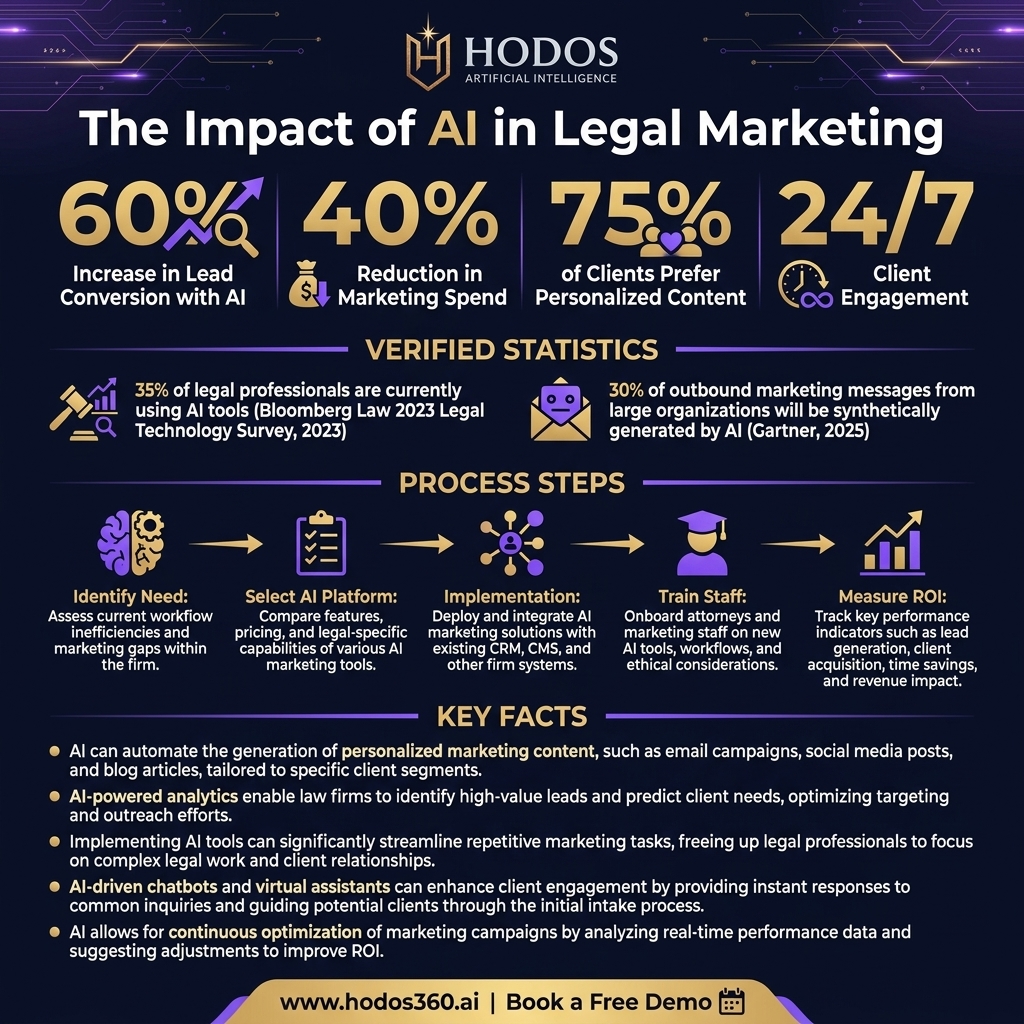
The narrative is clear: AI marketing for law firms is no longer a futuristic concept but a present-day reality offering unparalleled opportunities for growth and efficiency. The success stories emerging from other professional services, such as Snappy Kraken's impact on financial advisors, serve as compelling evidence of AI's transformative potential. For law firms, the path forward involves a strategic, phased integration of AI tools into existing marketing frameworks. This doesn't require a complete overhaul overnight, but rather a commitment to continuous learning and adaptation. Start by identifying specific pain points in your current marketing efforts, whether it's content creation bottlenecks, inefficient lead qualification, or a lack of clear ROI metrics. Then, explore AI solutions that directly address these challenges, prioritizing platforms that offer comprehensive, integrated services tailored for the legal sector. The market offers robust options, from specialized AI content generation tools to full-suite marketing automation platforms. The key is to choose solutions that scale with your firm's growth and integrate seamlessly with other practice management systems.
Embracing AI in legal marketing is about more than just adopting new technology; it's about fostering a culture of innovation within your firm. It requires leadership to champion AI initiatives, provide training for marketing teams, and establish clear guidelines for ethical use and compliance. Firms that proactively invest in AI will not only attract more clients but also build stronger, more resilient practices capable of thriving in an increasingly digital and data-driven world. The competitive landscape will continue to evolve rapidly, and those who harness AI effectively will be the ones to define the next 'level' of legal service delivery. The time to act is now. The future of legal marketing, driven by intelligent AI, is already here, waiting to be leveraged by forward-thinking law firms ready to unlock their full potential. This strategic adoption will ensure your firm stays at the forefront of the legal industry.
Frequently Asked Questions
What is AI marketing for law firms?+
AI marketing for law firms involves using artificial intelligence technologies to automate, optimize, and personalize various aspects of legal marketing. This includes AI-driven content creation, targeted advertising, lead qualification, social media automation, and advanced analytics to improve client acquisition and retention strategies. It helps firms efficiently reach and engage potential clients.
How can AI personalize legal content for clients?+
AI can personalize legal content by analyzing client data, behavior, and stated needs to generate highly relevant articles, emails, or social media posts. Using natural language generation (NLG), AI can tailor messages to specific demographics or legal issues, ensuring that potential clients receive information directly applicable to their unique situations, enhancing engagement and trust.
What are the ethical considerations of using AI in legal marketing?+
Ethical considerations include ensuring compliance with ABA Model Rules of Professional Conduct (e.g., Rule 7.1 on truthful communications), protecting client data privacy (GDPR, CCPA), and mitigating AI bias. Firms must maintain human oversight to prevent misleading content or discriminatory targeting, ensuring transparency and upholding the profession's ethical standards.
Can AI help track the ROI of law firm marketing efforts?+
Yes, AI significantly enhances ROI tracking for law firm marketing. AI-powered analytics platforms can monitor client journeys from initial touchpoint to conversion, attributing revenue to specific campaigns. This provides granular data on lead quality, conversion rates, and client lifetime value, allowing firms to optimize marketing spend and identify the most effective strategies.
How does AI-driven lead qualification benefit law firms?+
AI-driven lead qualification, often through AI voice assistants or chatbots, benefits law firms by providing 24/7 support, pre-screening potential clients, and booking appointments for qualified leads. This automation frees up administrative staff, ensures no lead is missed, and routes high-potential clients directly to attorneys, significantly streamlining the intake process and improving efficiency.