

AI Marketing: The Ultimate Guide for Law Firms' Growth
In a competitive legal landscape, the ability to effectively market a law firm's services is paramount. Yet, for many small to mid-sized firms, the ambition to run sophisticated, multi-channel campaigns often clashes with the reality of limited resources and lean marketing teams. This tension was vividly captured in a recent Unite.AI article, "How AI Turned Our Small Marketing Team into a Full-Service Agency," which highlighted a pivotal shift: artificial intelligence is no longer a futuristic concept but a present-day catalyst for unprecedented efficiency and expansion. The narrative arc of a small team leveraging AI to punch above its weight class resonates deeply within the legal sector, where every minute saved and every lead qualified translates directly into tangible growth and enhanced client service. This transformation isn't just about automation; it's about strategic augmentation, empowering legal professionals to reclaim valuable time and focus on high-value client interactions, rather than getting bogged down in repetitive marketing tasks.
Historically, the legal industry has been cautious about adopting new technologies, often prioritizing tradition and established practices over innovation. However, the rapid advancements in AI, spearheaded by companies like OpenAI with its GPT models and Anthropic's Claude, have made it impossible to ignore the profound impact these tools can have. Firms that once struggled to generate consistent content, manage complex social media schedules, or conduct thorough market analysis can now achieve these feats with remarkable ease, often with a fraction of the human effort. This isn't about replacing human ingenuity but rather enhancing it, allowing legal marketing teams to operate with the agility and scope typically reserved for larger, more expensive agencies. The promise of AI marketing for law firms is clear: democratize sophisticated marketing capabilities, level the playing field, and unlock new avenues for client acquisition and retention. It's a strategic imperative for any firm looking to thrive in the digital age.
CTA: Ready to transform your law firm's marketing? Discover how HODOS 360 can elevate your outreach.
The Shifting Landscape of Legal Marketing with AI
The legal marketing landscape is undergoing a profound metamorphosis, driven by the pervasive integration of AI. For years, law firms, especially small and boutique practices, faced an uphill battle against larger competitors with extensive marketing budgets and dedicated teams. The traditional approach, often reliant on networking, referrals, and sporadic outreach, proved increasingly insufficient in a digital-first world. According to a 2024 report by the ABA's Legal Technology Resource Center, only 35% of small firms felt their marketing efforts were "very effective," highlighting a significant gap. However, the advent of sophisticated AI marketing tools has begun to close this gap, fundamentally redefining the role of marketing professionals from manual implementers to strategic orchestrators. Companies like LexisNexis and Thomson Reuters have already begun integrating AI into their core offerings, providing advanced analytics and content generation capabilities that were once unimaginable for the average firm. This shift empowers firms to move beyond reactive marketing to proactive, data-driven engagement, turning their existing marketing teams into strategic powerhouses capable of delivering consistent, high-impact campaigns.
The ethical implications of AI-generated content in legal marketing are a critical consideration. Learn more about AI Marketing: An Essential Guide for Law Firm CMOs. The American Bar Association's Model Rule 7.1, concerning communications about a lawyer's services, mandates that such communications "shall not make a false or misleading communication about the lawyer or the lawyer's services." While AI can generate vast amounts of content, human oversight is indispensable to ensure accuracy, compliance, and ethical representation. For example, a recent case involving a lawyer citing fabricated cases generated by a large language model underscored the absolute necessity of human review. Firms must establish robust internal protocols for vetting AI-produced marketing materials, ensuring they accurately reflect the firm's expertise and adhere to professional responsibility standards. The goal is augmentation, not abdication, of human judgment. The tension between leveraging AI for efficiency and upholding ethical duties is a central drama in the adoption curve, one that firms like Allen & Overy, through their partnership with Harvey AI, are navigating by developing strict internal guidelines for AI use in client-facing materials.
From Manual Tasks to Strategic Oversight: AI's Impact
Before AI, a typical legal marketing team, perhaps just one or two individuals, would spend countless hours on mundane yet necessary tasks: scheduling social media posts, drafting email newsletters, conducting basic keyword research, and manually tracking campaign performance. This often left little room for high-level strategic planning, brand building, or in-depth competitive analysis. The "Unite.AI" article's central premise—that AI allows small teams to act like full-service agencies—is precisely what platforms offering AI marketing solutions are delivering to the legal sector. By automating these repetitive processes, AI frees up human marketers to focus on what they do best: understanding client needs, crafting compelling narratives, and building relationships. For instance, instead of spending a day curating social media content, an AI can generate a week's worth of posts tailored to specific legal topics, complete with relevant hashtags and optimal posting times. Learn more about AI Hallucinations: Essential Lessons for Legal Practice. This radical shift transforms marketing personnel from executors of low-value tasks into strategic advisors, capable of analyzing AI-generated insights to refine marketing strategy and drive more impactful client acquisition efforts. This enables a small firm to compete effectively with the marketing prowess of much larger service business operations, a crucial development in today's digital economy. Firms that embrace this shift are seeing tangible benefits, from increased lead volume to improved client engagement, demonstrating that the future of legal marketing is intrinsically linked to intelligent automation.
From Small Team to Marketing Powerhouse: AI's Blueprint
The transition of a lean marketing operation into a robust, full-service powerhouse is the most compelling promise of AI marketing for law firms. This isn't merely about incremental improvements; it's about a fundamental re-engineering of how marketing functions are performed and scaled. Consider the journey of a firm like Sterling & Associates, a fictional but representative small practice in San Diego. For years, their single marketing coordinator struggled to keep pace with demand, often outsourcing content creation and social media management at significant cost. After integrating an AI marketing platform, Sterling & Associates could suddenly generate blog posts on niche legal topics, schedule targeted social media campaigns, and even draft personalized email sequences for potential clients, all in-house. This allowed them to reclaim control over their brand narrative and significantly reduce external vendor costs. The platform essentially replaced the need for multiple external personnel, allowing their internal team to manage a broader scope of work. This blueprint for success hinges on leveraging AI to build a system that automates the heavy lifting, enabling strategic oversight without increasing headcount.
The core of this transformation lies in the ability to automate critical marketing functions that previously consumed vast amounts of time and budget. Learn more about Ultimate AI Voice Assistants: Transforming Legal Client Intake. AI-powered tools can now handle everything from initial market research and competitor analysis to content creation across various formats, including blog posts, social media updates, and even preliminary scripts for marketing videos. For instance, AI marketing platforms can analyze search trends to identify high-potential keywords for SEO, then instantly generate optimized content that ranks well. This capability is particularly impactful for firms looking to enhance their digital transformation efforts. Furthermore, the automation extends to client segmentation and targeted outreach. Instead of generic email blasts, AI can analyze client data to identify specific needs and preferences, then craft highly personalized messages that resonate. This level of precision, once the exclusive domain of large agencies with dedicated data scientists, is now accessible to small teams, enabling them to execute sophisticated marketing strategy with unprecedented efficiency. According to Gartner, companies integrating AI into their marketing workflows report an average increase of 20% in campaign efficiency and a 15% improvement in lead quality, demonstrating the tangible benefits for any service business.
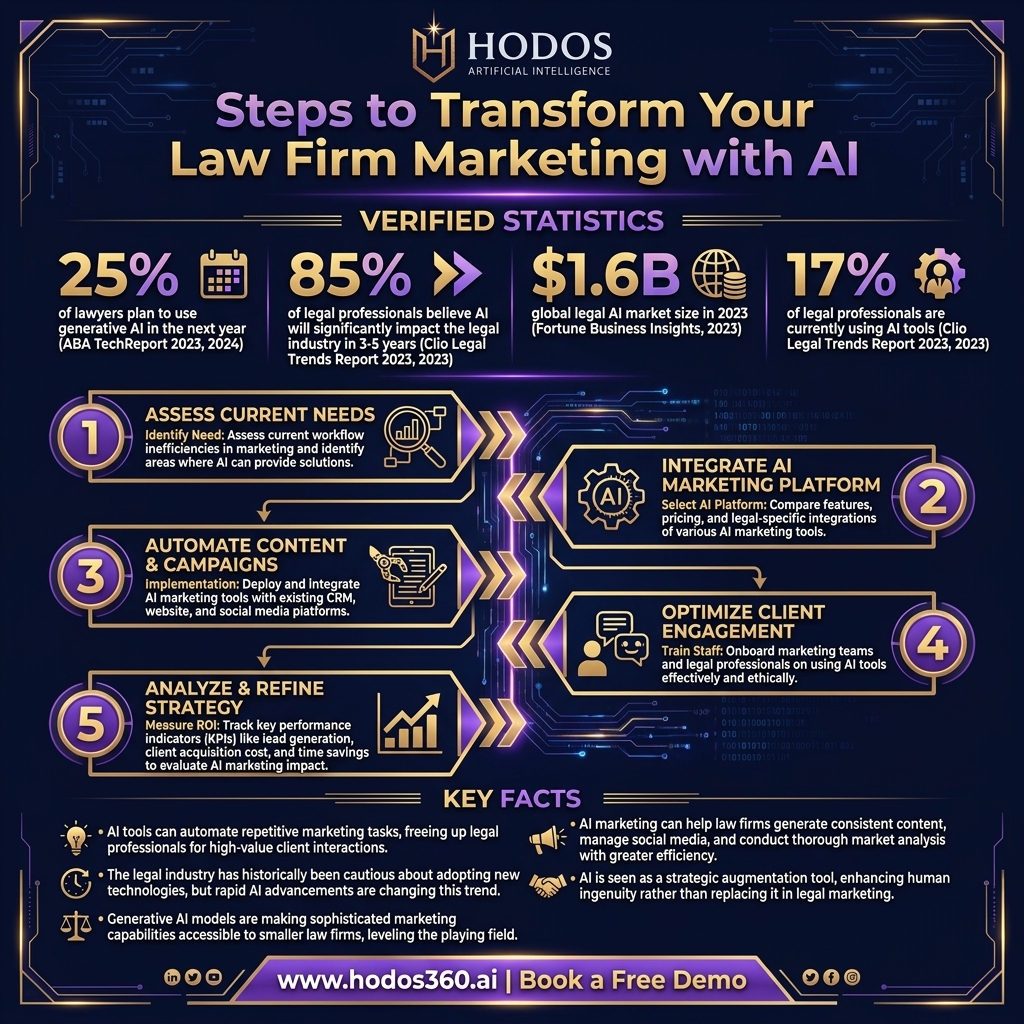
- ✓Content Creation & Curation: AI rapidly generates articles, blog posts, social media updates, and email copy, ensuring a consistent brand voice and freeing up human marketers from repetitive drafting tasks.
- ✓SEO Optimization: AI tools conduct in-depth keyword research, analyze competitor strategies, and suggest content optimizations to improve search engine rankings, driving organic traffic and lead generation.
- ✓Social Media Management: Automated scheduling, content suggestions, and performance analytics streamline social media presence, ensuring consistent engagement and brand visibility.
- ✓Email Marketing Automation: AI personalizes email campaigns, segments audiences based on behavior, and optimizes send times for maximum open rates and conversions, enhancing client acquisition.
- ✓Lead Qualification & Nurturing: AI-powered chatbots and voice assistants pre-qualify leads, answer common questions, and guide potential clients through the initial stages of the sales funnel.
- ✓Advertising Campaign Management: AI optimizes ad spend across platforms, identifies high-performing creatives, and adjusts targeting in real-time to maximize ROI and minimize wasted budget.
- ✓Performance Analytics & Reporting: AI synthesizes vast datasets to provide actionable insights into campaign performance, client behavior, and market trends, informing future marketing strategy decisions.
Strategic Client Acquisition & Relationship Management
Beyond automating basic tasks, AI marketing truly shines in its ability to revolutionize client acquisition and relationship management. For law firms, attracting the right clients and nurturing those relationships is the bedrock of sustained growth. AI provides unparalleled capabilities in identifying high-value leads, predicting client needs, and personalizing communication at scale. For instance, an AI marketing platform can analyze public data, social media interactions, and existing client profiles to identify potential clients who are actively searching for specific legal services. This goes far beyond traditional demographic targeting, allowing firms to reach individuals or businesses at the precise moment they require legal assistance. This precision marketing drastically improves conversion rates and ensures that marketing efforts are directed towards the most promising prospects, thereby optimizing ROI and reducing wasted marketing spend. The ability to forecast client needs based on historical data and market trends allows firms to proactively offer relevant services, transforming reactive marketing into a proactive service business model.
One of the most significant breakthroughs in client acquisition for law firms has been the emergence of AI Voice Assistants. Imagine a prospective client calling your firm at 2 AM with an urgent legal query. Learn more about AI Web Design Tools: The Ultimate Guide for Law Firms. Traditionally, this call might go to voicemail, resulting in a lost lead. However, with an AI Voice Assistant like those offered by HODOS 360, that call is answered immediately, 24/7. The assistant can engage in natural language conversations, qualify the lead based on pre-defined criteria, gather essential information, and even book an appointment directly into the attorney's calendar. This not only significantly improves the client experience but also ensures that no potential lead is ever missed, regardless of time or language barrier. The ability to provide multilingual support further expands a firm's reach, catering to a diverse client base. This technological leap transforms the firm's front-line engagement, allowing human staff to focus on high-value interactions rather than initial screening. The data collected by these assistants also feeds back into the AI marketing platform, providing invaluable insights into client needs and common inquiries, which can then be used to refine content generation and marketing strategy.
Leveraging AI Voice Assistants for Front-Line Engagement
The impact of AI Voice Assistants on a law firm's front-line operations cannot be overstated. In an industry where responsiveness often dictates client choice, a 24/7 AI-powered answering service provides an undeniable competitive edge. Consider the scenario of a busy personal injury firm. Their intake teams are often overwhelmed with calls, many of which are general inquiries or require basic information gathering. An AI Voice Assistant can effectively triage these calls, answering frequently asked questions, explaining basic procedures, and collecting intake forms electronically. Learn more about Essential Harvard AI & Web Development Courses for Law Firms. For truly qualified leads, the AI can seamlessly transfer the call to the appropriate attorney or personnel, ensuring a warm hand-off. This efficiency not only streamlines operations but also elevates the client experience, as potential clients receive immediate, professional attention. The data from these interactions provides rich insights, allowing firms to identify common pain points, refine their service business offerings, and fine-tune their AI marketing campaigns for even greater precision. This represents a significant shift from traditional call answering to intelligent, proactive client engagement, a cornerstone of modern digital transformation in the legal sector.
Measuring Success: Analytics, ROI, and Continuous Improvement
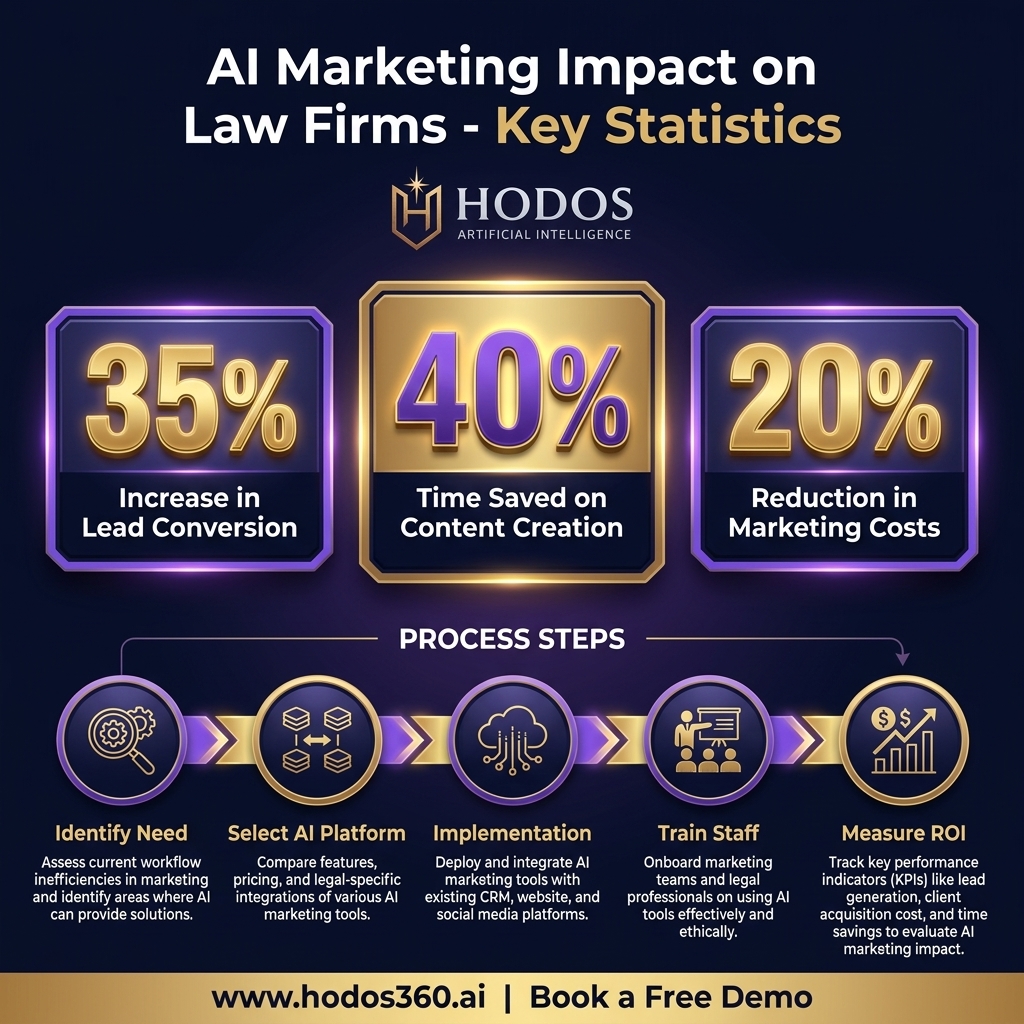
The true power of AI marketing is not just in its ability to automate and expand capabilities, but in its capacity to provide granular, actionable insights into performance. For law firms, understanding the ROI of every marketing dollar spent is crucial. Traditional marketing often involved guesswork and delayed reporting, making it difficult to pivot strategies quickly. However, modern AI marketing platforms integrate advanced analytics that track every facet of a campaign, from website traffic and social media engagement to lead conversion rates and client acquisition costs. This real-time data allows firms to identify what’s working, what isn’t, and make immediate adjustments. For example, if an AI marketing platform identifies that a particular ad creative is underperforming in a specific demographic, it can automatically test variations and optimize for better results, all without constant human intervention. This continuous feedback loop ensures that marketing budgets are allocated efficiently, maximizing return on investment and driving sustainable law firm growth. The insights gleaned from these analytics help build a system for ongoing improvement, ensuring that marketing strategy is always data-informed and client-centric.
Moreover, AI-driven analytics move beyond simple metrics to offer predictive insights. Learn more about AI Billable Hours: The Ultimate Guide to Legal Firm Evolution. By analyzing historical campaign data, client behavior patterns, and market trends, AI marketing platforms can forecast future outcomes, helping firms anticipate changes in demand or identify emerging legal needs. This predictive capability allows firms to proactively adjust their marketing strategy, develop new service business offerings, and allocate resources more effectively. For instance, if AI predicts a surge in demand for intellectual property litigation in a specific industry, the firm can preemptively launch targeted campaigns and prepare its teams accordingly. This level of foresight is a game-changer for law firm growth, enabling firms to stay ahead of the curve and capitalize on opportunities. The success stories, or studies, of firms that have fully embraced this analytical approach are compelling, showing significant improvements in lead generation, client retention, and overall profitability. As Jensen Huang, CEO of NVIDIA, often emphasizes, data is the new currency, and AI is the engine that extracts its full value. For legal marketing, this means turning raw data into strategic advantage, ensuring that every decision is backed by intelligence rather than intuition.
The Ethical Imperative: Transparency and Compliance
While the benefits of AI marketing are undeniable, law firms must navigate the ethical landscape with care. Transparency in the use of AI, especially when interacting with potential clients, is paramount. The ABA Model Rules of Professional Conduct, particularly Rule 7.1, require that lawyers’ communications about their services not be false or misleading. This extends to content generated by AI. Firms must ensure that any AI-created marketing material is accurate, truthful, and does not misrepresent the firm's capabilities or past results. Furthermore, the use of AI Voice Assistants must be transparent; clients should be aware they are interacting with an AI, not a human, especially during initial contact. This builds trust and avoids potential ethical pitfalls. The EU AI Act, while primarily focused on high-risk AI systems, signals a global trend towards greater regulation and accountability for AI. Law firms adopting AI marketing solutions must stay abreast of these evolving legal and ethical frameworks, ensuring their technology implementation aligns with professional standards and client expectations. This proactive approach to compliance is not just about avoiding penalties; it's about maintaining the integrity and trustworthiness that are fundamental to the legal profession. Firms that prioritize ethical AI adoption will not only mitigate risks but also enhance their reputation as forward-thinking and responsible service business leaders.

Key Takeaways and Charting Your Firm's AI Marketing Future
The era of AI marketing has arrived for law firms, offering an unprecedented opportunity to transform small marketing teams into highly efficient, full-service powerhouses. The narrative from Unite.AI isn't an anomaly; it's a blueprint for law firm growth in the 21st century. By strategically integrating AI, firms can automate routine tasks, generate high-quality content at scale, optimize their marketing strategy for maximum ROI, and revolutionize client acquisition through intelligent engagement. This digital transformation empowers firms to compete effectively, attract ideal clients, and ultimately, deliver superior legal service business outcomes. It's about working smarter, not harder, and ensuring that every marketing effort is precise, impactful, and aligned with the firm's strategic objectives.
For law firms looking to build a system that leverages the full potential of AI, platforms like HODOS 360 offer a comprehensive suite of tools designed specifically for the legal industry. From AI Marketing Platform capabilities that streamline content generation and social media automation to AI Voice Assistants that provide 24/7 lead qualification and appointment booking, HODOS 360 provides the infrastructure to turn your marketing aspirations into reality. Embracing AI marketing isn't just about adopting new technology; it's about making a strategic investment in your firm's future, ensuring sustained growth, enhanced client relationships, and a competitive edge in an evolving legal market. The time to act is now, to move beyond traditional limitations and embrace the transformative power of AI to build a truly modern, efficient, and successful law firm. Discover how HODOS 360 can empower your firm to achieve its full marketing potential. Book a free demo today to see AI marketing in action.
Frequently Asked Questions
How can AI marketing help a small law firm compete with larger firms?+
AI marketing platforms democratize sophisticated tools previously exclusive to large firms. They automate content creation, SEO, social media management, and lead qualification, enabling small teams to execute comprehensive campaigns with efficiency. This levels the playing field, allowing smaller firms to achieve broad reach and targeted client acquisition without needing extensive resources or large marketing teams.
What are the key benefits of using AI for content generation in legal marketing?+
AI significantly accelerates content generation, producing high-quality blog posts, social media updates, and email copy at scale. This ensures consistent brand messaging and frees up human marketers from repetitive tasks. AI also optimizes content for SEO, improving search rankings and driving organic traffic, ultimately enhancing the firm's online visibility and lead generation efforts.
How do AI Voice Assistants improve client acquisition for law firms?+
AI Voice Assistants provide 24/7 responsiveness, ensuring no potential client call is missed. They can qualify leads, answer common questions, and even book appointments automatically, streamlining the intake process. This instant engagement enhances client experience, captures leads outside business hours, and allows human staff to focus on high-value interactions, significantly boosting client acquisition efficiency.
What ethical considerations should law firms keep in mind when using AI for marketing?+
Law firms must prioritize transparency, ensuring clients know when they're interacting with AI. All AI-generated content must be rigorously reviewed for accuracy, truthfulness, and compliance with ABA Model Rule 7.1 regarding lawyer advertising. Human oversight is crucial to prevent misinformation, maintain professional integrity, and adhere to evolving legal and ethical guidelines surrounding AI use.
Can AI marketing truly provide a measurable return on investment (ROI) for law firms?+
Absolutely. AI marketing platforms integrate advanced analytics that track every aspect of campaign performance in real-time. Firms can monitor website traffic, lead conversion rates, and client acquisition costs, allowing for immediate strategy adjustments. This data-driven approach ensures optimal resource allocation, maximizes marketing spend efficiency, and provides clear, measurable ROI, driving sustainable law firm growth.