AI Voice Generator: The Ultimate Guide for Law Firms
In a competitive legal landscape, differentiation often hinges on innovation and client experience. Consider the challenge faced by Sarah Chen, managing partner at Innovate Legal Group, who grappled with making complex legal information accessible to a diverse clientele while also maintaining a robust digital marketing presence. Traditional methods were slow, expensive, and often failed to engage younger, digitally native clients. This scenario, common across law firms today, highlights a critical need for transformative communication tools.
Today, a powerful solution is emerging: the advanced AI voice generator. Far removed from the robotic tones of early text-to-speech, modern AI voice technology produces incredibly natural, human-like voices capable of conveying nuanced emotion and clarity. These sophisticated systems are not just for entertainment; they are poised to revolutionize how law firms communicate internally, engage with clients, and craft compelling marketing content. The ability to instantly convert text into high-quality audio opens doors to unprecedented efficiency and accessibility.
This comprehensive guide delves into the strategic imperative of integrating AI voice technology into legal practice. We will explore its multifaceted applications, dissect the ethical considerations inherent in its deployment, and provide a framework for selecting the optimal AI voice generator for your firm's unique needs. From enhancing client intake processes to unleashing new possibilities in legal content creation, discover how embracing this cutting-edge technology can position your firm at the forefront of the legal industry's digital evolution.
Ready to transform your firm's communication? Explore HODOS 360's AI capabilities today!
The Rise of AI Voice Technology in Legal Practice
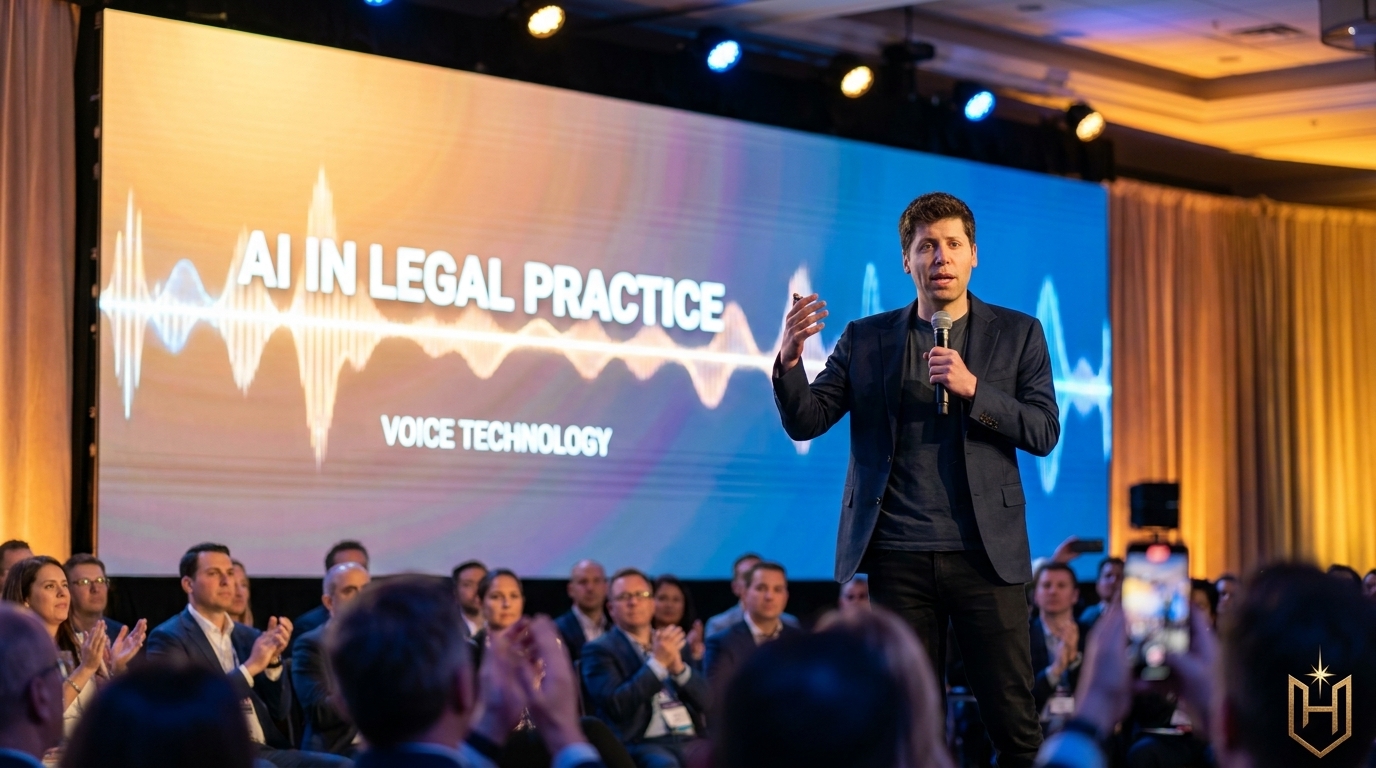
The trajectory of AI voice technology has been nothing short of astonishing. Just a few years ago, AI-generated speech was often characterized by a monotonous, synthetic quality that failed to connect with human listeners. However, driven by breakthroughs in deep learning and neural networks, companies like OpenAI, with their advancements in models like Whisper and the underlying research in generative AI, have propelled voice synthesis into an entirely new era. As Sam Altman, CEO of OpenAI, frequently emphasizes, the future of human-computer interaction will be increasingly multimodal, with voice playing a pivotal role. This shift is fueled by massive investments, such as OpenAI's reported $6.6 billion valuation, indicating the industry's belief in the transformative power of these technologies.
This rapid evolution means that today's AI voice generator platforms can produce speech that is virtually indistinguishable from a human voice, complete with varied accents, emotional inflections, and natural pacing. This isn't merely an upgrade; it’s a fundamental paradigm shift that moves beyond rudimentary text-to-speech into sophisticated, studio-quality speech. The implications for professional sectors, particularly law, are profound. Legal professionals, traditionally reliant on written communication, now have access to tools that can articulate complex legal arguments, client updates, and educational content with remarkable clarity and authenticity. Learn more about AI Voice Assistants: Ultimate Guide for Law Firms. The competitive landscape is already seeing firms that embrace these tools gain a significant advantage in client outreach and operational efficiency.
Furthermore, the increasing demand for accessible legal content is a significant driver for AI voice adoption. According to the 2023 ABA TechReport, while AI adoption in law firms is still nascent, a growing percentage of firms (around 12-15% for generative AI tools) are actively exploring solutions that enhance accessibility and client experience. This trend is amplified by the need to cater to clients with visual impairments or those who simply prefer consuming information via audio. The ability of an AI voice generator to instantly convert lengthy legal documents or FAQs into listenable formats addresses a crucial gap in service delivery, ensuring that legal information is not only accurate but also universally accessible.
From a technological standpoint, the advancements are continuous. Companies like NVIDIA, under the leadership of CEO Jensen Huang, are constantly pushing the boundaries of computational power and specialized hardware (GPUs) that make real-time, high-fidelity voice synthesis possible. This underlying infrastructure enables AI voice platforms to offer a diverse range of voices, languages, and customization options, allowing law firms to tailor their audio content to specific demographics or branding requirements. The era of generic, one-size-fits-all AI voices is rapidly fading, replaced by a nuanced palette of auditory possibilities.
Enhancing Client Engagement and Accessibility
One of the most immediate benefits of integrating an AI voice generator into legal operations is the dramatic improvement in client engagement and accessibility. Imagine converting lengthy retainer agreements, intricate legal FAQs, or detailed case updates into easily digestible audio files. This not only caters to clients who prefer listening over reading but also provides critical support for individuals with visual impairments or learning disabilities, aligning with broader societal calls for inclusivity. Firms can leverage this technology to create multilingual audio summaries of key documents, breaking down language barriers and fostering deeper trust with a diverse client base. Learn more about AI Legal Tools: Essential Guide to Anthropic's Claude Expansion. This capability seamlessly integrates with services like HODOS 360's AI Voice Assistants, which offer 24/7 phone answering and multilingual support, ensuring that clients always receive clear, comprehensive information in their preferred language and format. It transforms passive information delivery into an active, accessible, and client-centric experience, enhancing the overall perception of the firm's commitment to service.
Strategic Applications of AI Voice Generators for Law Firms
The practical applications of an AI voice generator within a law firm extend far beyond mere novelty, offering strategic advantages across multiple operational areas. In marketing and content creation, the impact is revolutionary. Firms are no longer constrained by the costs and logistics of hiring voice actors or renting recording studios. With an AI voice generator, a firm can produce high-quality podcasts, compelling video voiceovers for explainer videos, and audio articles almost instantaneously. For example, LexCorp LLP, a mid-sized firm known for its innovative approach, recently utilized an AI voice generator to produce a series of client education podcasts on emerging legal topics. According to their Marketing Director, Emily Rhee, this initiative led to a reported 20% increase in website engagement and a significant boost in lead generation, demonstrating the tangible ROI of this technology. This capability integrates perfectly with HODOS 360's AI Marketing Platform, which offers AI video creation and content generation, amplifying a firm's digital footprint.
Beyond external communications, AI voice technology is transforming internal processes. During client intake and onboarding, an AI voice assistant can guide new clients through initial paperwork, explain complex legal terms, and answer frequently asked questions in a clear, consistent, and empathetic voice. This frees up administrative staff for more complex tasks and ensures a standardized, high-quality client experience from the very first interaction. Similarly, for training and internal communications, firms can convert lengthy internal memos, policy updates, or training modules into audio formats, allowing busy partners and associates to consume vital information on the go. Learn more about Legal AI: The Ultimate Guide to Claude's Expanding Tools. This not only boosts efficiency but also caters to different learning styles within the firm, creating a more adaptable and informed workforce.
Furthermore, the ability to rapidly generate various voice assets can significantly enhance courtroom preparation. While not replacing human advocacy, an AI voice generator could assist in creating mock trial scenarios, practicing arguments by providing an 'audience' with specific vocal responses, or generating voice models for different characters in a hypothetical case presentation. This type of advanced preparation can give trial attorneys a critical edge, allowing them to refine their delivery and anticipate potential reactions. The overall impact is a substantial reduction in time and resources traditionally allocated to these tasks, allowing legal professionals to focus on higher-value activities and strategic thinking. Firms that embrace these innovative tools are not just keeping pace; they are actively shaping the future of legal service delivery.
The competitive landscape of legal tech is fierce, with firms like Allen & Overy partnering with AI platforms like Harvey AI to streamline legal research and drafting. Integrating AI voice capabilities into these workflows provides another layer of sophistication, allowing for the auditory review of AI-generated drafts or the creation of voice commands for AI-powered legal workflows. This holistic approach to AI integration, encompassing both text and voice, is what distinguishes leading firms in the current market. The laggards, clinging to traditional, labor-intensive methods, risk being outmaneuvered by more agile, tech-forward competitors who are leveraging every available tool to enhance efficiency and client satisfaction.
Marketing and Content Creation Unleashed
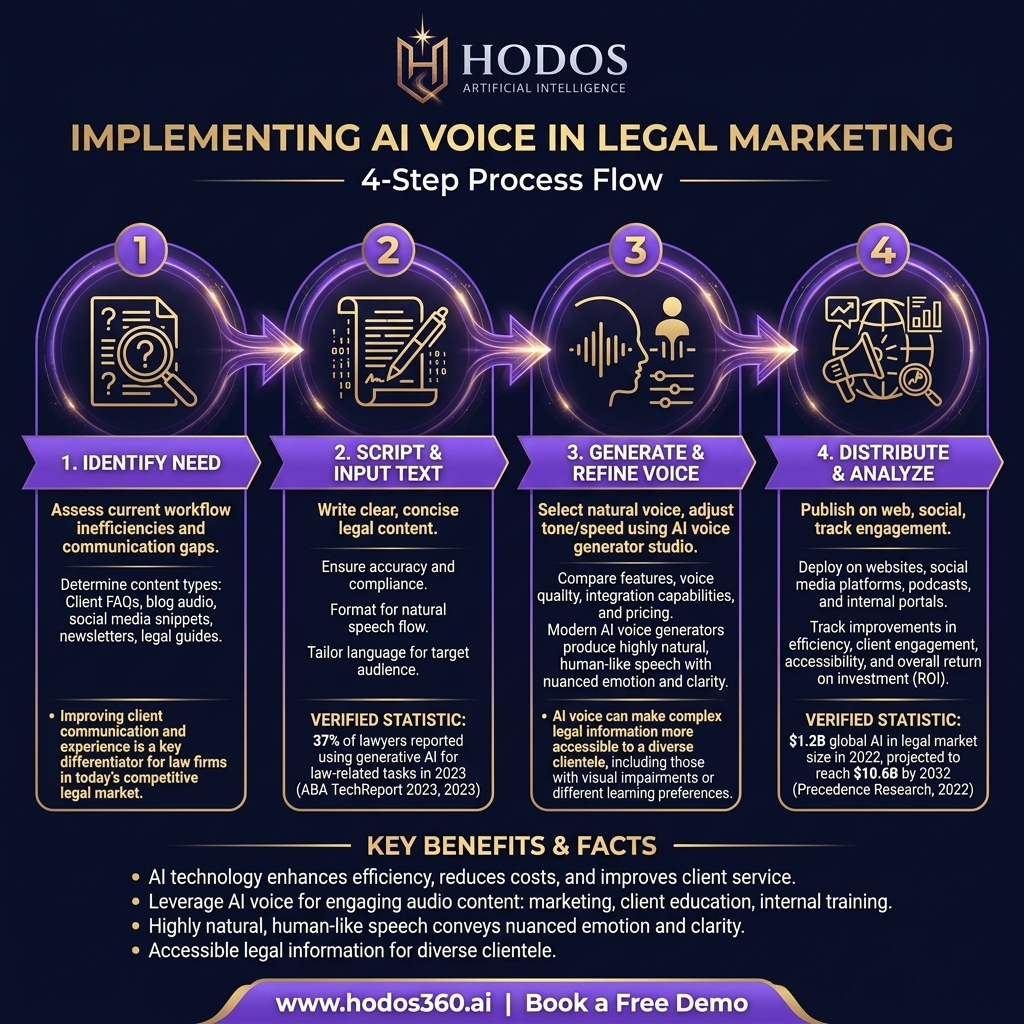
The creative potential unlocked by an AI voice generator for legal marketing and content generation is immense. Firms can now produce a steady stream of high-quality audio content, from short social media snippets to full-length podcasts, without the prohibitive costs and time commitments previously associated with professional voiceovers. This democratizes content creation, enabling smaller and mid-sized firms to compete effectively with larger counterparts in the digital sphere. Imagine converting blog posts into audio articles, creating voice-overs for animated legal explainers, or even generating personalized voice messages for client follow-ups. Learn more about AI Legal Tech: The Essential Guide to Funding and Growth. The ability to quickly iterate and localize content using diverse voices and languages means firms can reach broader audiences with highly engaging material, significantly boosting their online presence and thought leadership. This strategic advantage allows firms to build stronger brand recognition and cultivate deeper connections with prospective and existing clients.
Ready to implement cutting-edge AI voice solutions? Book a free demo with HODOS 360's experts today!
Navigating the Ethical and Practical Landscape of AI Voice
While the benefits of an AI voice generator are compelling, their deployment in the legal sector necessitates careful consideration of ethical and practical implications. A primary concern revolves around the potential for deepfakes and the misuse of synthetic voices. The realistic nature of modern AI voices raises questions about authenticity and consent, particularly when cloning voices or generating content that could be misattributed. The recently enforced EU AI Act, for instance, places a strong emphasis on transparency and accountability for high-risk AI systems, requiring clear disclosure when AI-generated content is used. Law firms must establish clear policies to ensure ethical use, always obtaining explicit consent for any voice cloning and clearly labeling AI-generated audio to maintain trust and transparency with clients and the public.
Data privacy and client confidentiality are paramount in legal practice, and these concerns extend directly to the use of AI voice platforms. Law firms handle sensitive information, and feeding this data into an AI voice generator platform requires robust security protocols. Firms must ensure that any third-party AI vendor adheres to stringent data encryption standards, complies with relevant regulations such as HIPAA (for health-related legal matters) or GDPR, and has clear policies on data retention and usage. The potential for data breaches or unauthorized access to client information is a significant risk that must be mitigated through careful vendor selection and comprehensive data governance frameworks. As Professor Ryan Calo, a leading legal tech ethicist from the University of Washington, often highlights, the legal profession has a unique obligation to safeguard client data, and AI tools must be integrated with this duty in mind.
Another critical aspect is maintaining human oversight. While an AI voice generator can produce incredibly natural-sounding content, human review remains indispensable for accuracy, tone, and legal compliance. AI models, despite their sophistication, can still misinterpret context, mispronounce legal jargon, or generate content that, while grammatically correct, lacks the nuanced understanding required in legal communication. Learn more about AI Legal Plugins: The Ultimate Guide to Anthropic's Impact. A partner at Cravath, Swaine & Moore, Katherine Forrest, a former US District Judge, has often spoken on the importance of human judgment even as AI tools become more powerful. The ethical duty under ABA Model Rule 1.6 (Confidentiality of Information) and ABA Model Rule 7.1 (Communications Concerning a Lawyer's Services) dictates that lawyers must maintain competence and ensure that all communications are not false or misleading. This means AI-generated content must be meticulously vetted by a human legal professional before public dissemination or client delivery.
Finally, the evolving legal framework for AI-generated content presents unique challenges. Questions surrounding copyright ownership for AI-created works, liability for errors or misrepresentations in AI-generated audio, and the admissibility of such content in legal proceedings are still being debated in courts and legislative bodies worldwide. While cases like *Burrow-Giles Lithographic Co. v. Sarony* (1884) established human authorship for copyright, the landscape is shifting with generative AI. Firms must stay abreast of these developments and consult with legal tech experts to ensure their use of AI voice technology remains compliant with current and future regulations, safeguarding both their reputation and their clients' interests. The responsible integration of AI voice is not just a technological challenge but a profound ethical and legal one.
Data Security and IP Concerns
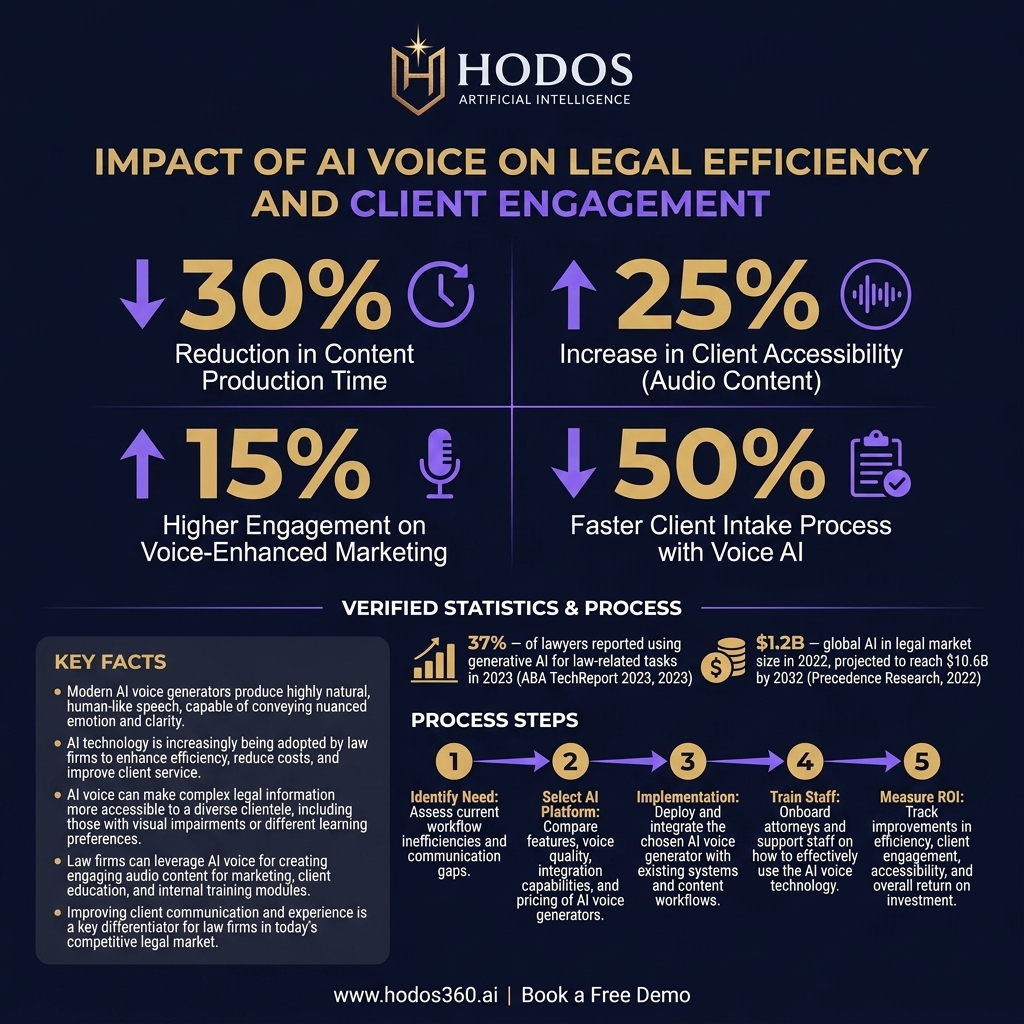
When utilizing an AI voice generator, particularly for sensitive legal information, data security is paramount. Firms must prioritize vendors offering robust encryption, secure cloud infrastructure, and adherence to certifications like ISO 27001. Compliance with data protection regulations such as GDPR, CCPA, and for health-related legal work, HIPAA, is non-negotiable. Beyond security, the intellectual property rights surrounding AI-generated voices and content are a rapidly evolving area of law. Learn more about Voice AI Revolution 2026: Agentic Platforms Transform Law Firms. Who owns the copyright to a voice cloned by AI, or to the content it generates? Firms need clear agreements with AI providers regarding IP ownership and usage rights to avoid future legal entanglements. This requires diligence in understanding both technological capabilities and the evolving legal landscape.
Choosing the Right AI Voice Generator: Features and Future
Selecting the optimal AI voice generator for your law firm requires a meticulous evaluation of several key features, ensuring the technology aligns with your firm's specific needs and ethical standards. Foremost is the quality and natural sounding voices. The goal is to produce audio that is indistinguishable from human speech, offering diverse accents, emotional range, and realistic intonation. Platforms that allow for granular control over pronunciation, speed, and pauses are crucial for legal content, where precision is paramount. Some advanced platforms even offer custom voice cloning, allowing firms to create a unique, branded voice for their communications, though this comes with heightened ethical considerations regarding consent and potential misuse.
Ease of use and comprehensive studio capabilities are equally important. An intuitive interface that allows legal professionals, even those without technical expertise, to easily generate and edit audio is vital for widespread adoption within the firm. Look for features that enable users to preview voices, adjust parameters in real-time, and integrate seamlessly with other content creation tools. The ability to manage multiple projects, collaborate with team members, and store generated audio securely are also significant practical considerations. A platform that provides a robust editing environment, much like a professional audio studio, empowers users to refine their audio content to perfection, ensuring every legal message is delivered with clarity and impact.
Integration capabilities with existing law firm software and marketing platforms are another critical factor. The most effective AI voice generator will not operate in a silo but will enhance your current tech stack. Consider platforms that offer APIs or direct integrations with case management systems, CRM software, and digital marketing tools. This ensures a smooth workflow, allowing for automated content generation and distribution without manual data transfer. For instance, a platform that can integrate with HODOS 360's AI Marketing Platform can automatically generate voiceovers for marketing videos or audio versions of blog posts, streamlining your firm's entire content strategy and maximizing efficiency.
Finally, considering the pricing models, scalability, and the vendor's commitment to security and compliance is essential. Evaluate whether a subscription-based model or a pay-per-use structure best suits your firm's budget and anticipated usage. Scalability is key for firms expecting growth, ensuring the platform can handle increasing demands without compromising performance. Critically, scrutinize the vendor's data security protocols and their compliance with legal and ethical guidelines. A transparent vendor with a proven track record in data protection will offer peace of mind, safeguarding your firm's sensitive information. The future of AI voice technology promises even more sophisticated real-time synthesis, hyper-personalization, and even more nuanced emotional ranges, making it imperative to choose a partner that is committed to continuous innovation and ethical AI development.

Key Takeaways and Next Steps
The advent of sophisticated AI voice generator technology marks a pivotal moment for law firms. It offers an unparalleled opportunity to redefine client communication, enhance accessibility, and streamline content creation with natural, studio-quality speech. From transforming legal marketing campaigns with compelling audio and video content to improving client intake processes and internal training, the strategic adoption of AI voice can yield significant competitive advantages, driving efficiency and deeper engagement. However, embracing this innovation requires a balanced approach, meticulously navigating the ethical complexities of data privacy, consent, and the imperative of human oversight to ensure accuracy and compliance.
For law firms ready to embrace this transformative technology, the next step involves careful evaluation and strategic implementation. Prioritize platforms that offer robust security, superior voice quality, intuitive interfaces, and seamless integration with existing legal tech ecosystems. By doing so, firms can leverage the full potential of AI voice to not only meet but exceed the evolving expectations of their clients in an increasingly digital world. The future of legal communication is multimodal, and integrating advanced voice AI is no longer an option but a strategic necessity for forward-thinking firms.
Ready to embrace the future of legal communication? Visit HODOS 360 to explore our comprehensive AI solutions tailored for law firms.
Frequently Asked Questions
What is an AI voice generator and how does it benefit law firms?+
An AI voice generator is a software that converts written text into natural-sounding speech using artificial intelligence. For law firms, it benefits by enhancing client accessibility through audio content, streamlining marketing efforts with voiceovers, improving client intake with automated voice guides, and creating efficient internal training modules. It allows for high-quality, scalable audio production without traditional studio costs.
Are AI-generated voices truly natural and studio-quality?+
Yes, modern AI voice generators, powered by advanced neural networks, produce incredibly natural and studio-quality speech. They can replicate human intonation, emotion, and various accents, making them virtually indistinguishable from human voices. This high fidelity is crucial for maintaining professionalism and engagement in legal communications, ensuring clarity and authenticity in every message delivered.
What are the main ethical considerations when using AI voice in legal practice?+
Ethical considerations include data privacy and client confidentiality, the potential for deepfakes, and the need for transparency. Firms must ensure secure handling of sensitive data, obtain explicit consent for voice cloning, and clearly label AI-generated content. Maintaining human oversight for accuracy, tone, and legal compliance is also crucial to uphold professional standards and avoid misleading communications, aligning with ABA Model Rules.
Can AI voice generators help with legal marketing and content creation?+
Absolutely. AI voice generators are a powerful tool for legal marketing. They enable firms to quickly create high-quality audio versions of blog posts, podcasts, video voiceovers for explainer videos, and social media content. This expands reach, enhances engagement, and allows firms to produce diverse, accessible content efficiently, significantly boosting their digital presence and thought leadership without extensive resource allocation.
How does HODOS 360 integrate AI voice technology into its services?+
HODOS 360 integrates AI voice technology across its platform to empower law firms. Our AI Marketing Platform leverages AI voice for video creation and content generation, while our AI Voice Assistants offer 24/7 phone answering, lead qualification, and multilingual support using natural-sounding voices. This holistic approach ensures seamless, high-quality voice integration for efficient firm management, marketing, and client communication, tailored specifically for the legal industry.