


Legal AI Funding Surge: An Essential Guide for Law Firms
The legal industry stands at a transformative crossroads, where technological innovation is not merely an advantage but a necessity for survival and growth. This reality was underscored recently with the announcement that Vikk AI, a burgeoning legal AI platform, successfully raised $4.2 million in funding, a move widely reported by outlets like AI Insider. This significant capital injection into a startup focused on both legal AI assistance and AI-powered lawyer advertising is more than just a financial milestone; it’s a powerful signal of the accelerating investment in legal technology. This trend reflects a broader recognition among investors and legal professionals alike that artificial intelligence is no longer a futuristic concept but a present-day imperative shaping the operational framework, client engagement strategies, and overall competitive dynamics of law firms globally. The funding round for Vikk AI, comprising a $700,000 pre-seed and a $3.5 million seed round, with notable investors such as tax attorney Ronson Shamoun, highlights the growing confidence in AI's capacity to streamline complex legal processes and redefine how legal services are marketed and delivered.
This influx of capital into platforms designed to augment legal practice management and client acquisition epitomizes a critical tension within the legal profession: the disruption of traditional methodologies by cutting-edge innovation. For law firm owners and attorneys, understanding these shifts is paramount. Firms that proactively integrate advanced AI solutions are positioning themselves for unparalleled efficiency, enhanced client satisfaction, and a significant competitive edge. Conversely, those that cling to antiquated systems risk falling behind in an increasingly digital and AI-driven market. The success of Vikk AI in attracting substantial investment underscores a fundamental truth: the future of legal practice is inextricably linked to AI. This article delves into the implications of this investment trend, exploring how AI is reshaping various facets of legal operations and offering a comprehensive guide for law firms looking to navigate this evolving landscape.
The New Frontier: AI-Powered Legal Practice Management
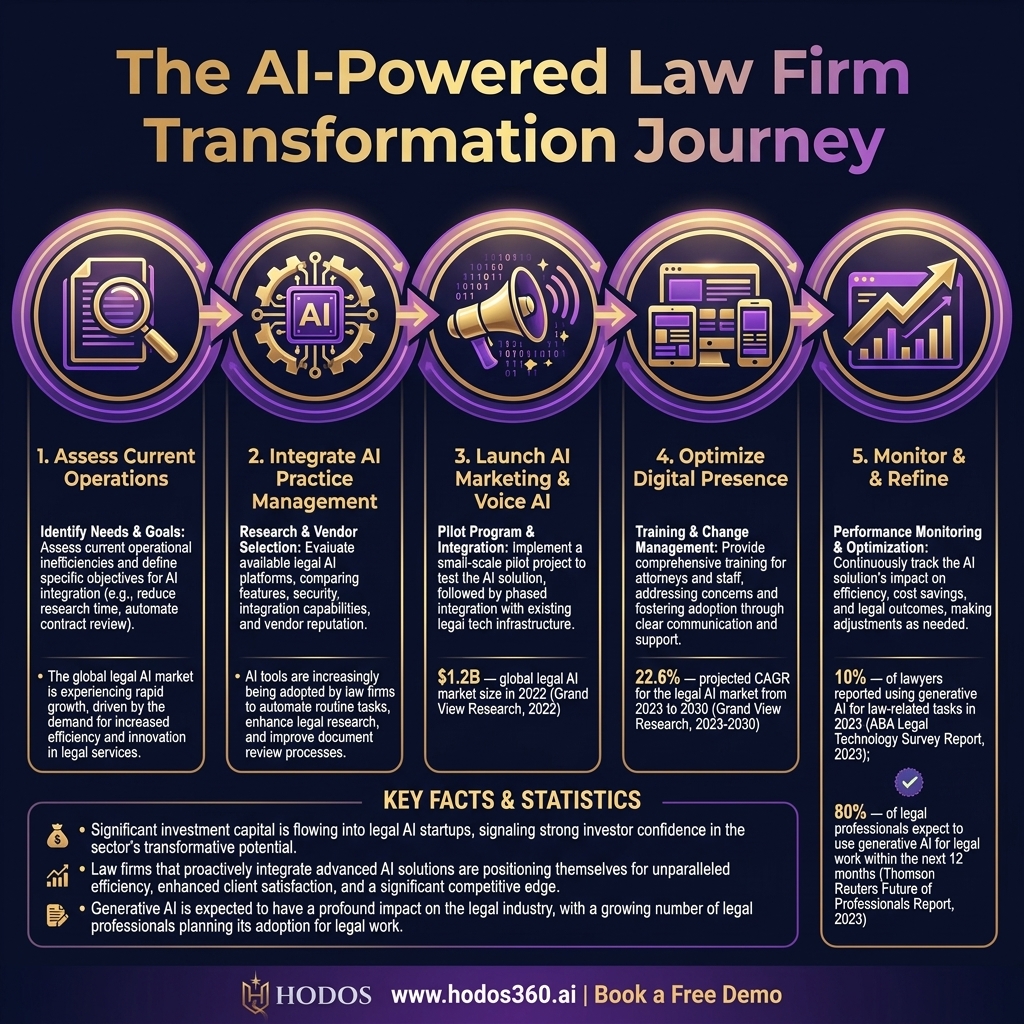
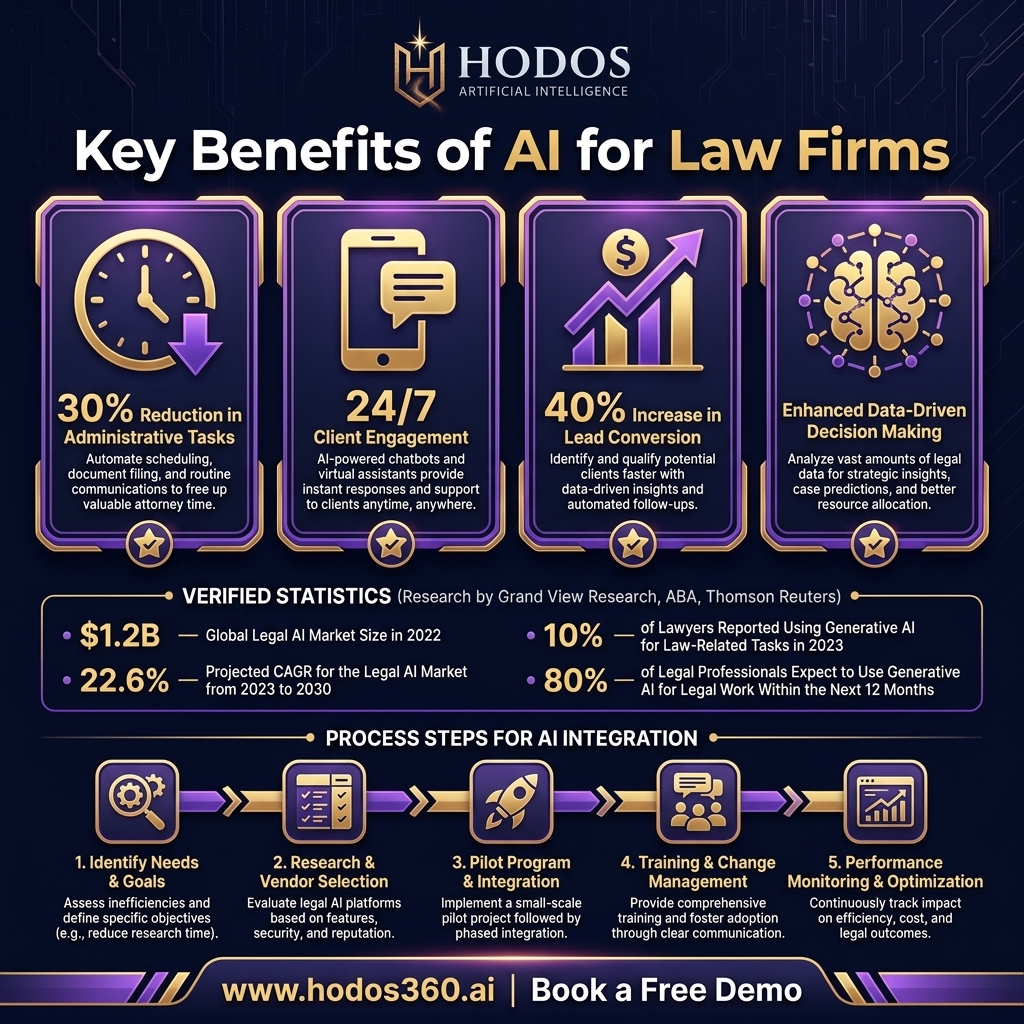
The core of the legal industry's digital transformation lies in the evolution of practice management. Traditionally a domain of manual processes and siloed software solutions, law firm management is now being redefined by AI. Vikk AI's platform, like many others gaining traction, aims to integrate case management, document automation, and client intake into a cohesive, intelligent system. This shift is not just about digitizing existing tasks; it's about fundamentally rethinking workflows with AI at the helm. For instance, Thomson Reuters' 2024 State of the Legal Market report highlighted that firms adopting AI for tasks like document review and legal research reported significant gains in efficiency, often reducing time spent by up to 30%. This data points to a clear return on investment for firms willing to embrace the technology.
The real power of AI in practice management comes from its ability to analyze vast datasets, identify patterns, and automate repetitive tasks that traditionally consume countless attorney hours. Imagine an AI system that not only manages your calendar and deadlines but also flags potential conflicts of interest based on historical data, suggests optimal resource allocation for complex cases, or even drafts initial legal documents based on predefined parameters. Firms like Allen & Overy, a global legal powerhouse, have famously partnered with Harvey AI to leverage generative AI for due diligence, regulatory compliance, and contract analysis, demonstrating how even the most established firms are seeking external innovation to remain competitive. This collaboration has allowed their legal teams to focus on higher-value strategic work, while AI handles the heavy lifting of information processing and initial drafting.
However, implementing AI in practice management is not without its challenges. The initial investment, the need for robust data security, and the ethical considerations surrounding AI's role in legal advice are critical factors. Learn more about AI Marketing: The Ultimate Guide to Loyalty & Growth. As ABA Model Rule 1.1 (Competence) implies, attorneys have a duty to stay abreast of the benefits and risks associated with relevant technology. This necessitates a thoughtful approach to AI adoption, ensuring that systems are transparent, auditable, and complement human expertise rather than replace it entirely. The goal is to augment, not diminish, the lawyer's role, allowing them to serve clients more effectively and strategically. The comprehensive AI Law Firm Management System offered by HODOS 360, for example, is designed to address these multifaceted needs, providing tools for case management, billing, client intake, and AI-powered legal workflows, all integrated into a secure platform.
The competitive landscape is becoming increasingly fierce. Firms that continue to rely solely on legacy systems will find themselves at a distinct disadvantage. The ability to streamline operations, reduce overheads, and reallocate human capital to more strategic endeavors is a game-changer. For managing partners like Sarah Chen of "Chen & Associates," who recently spoke at LegalTech NYC 2026, the decision to invest in an AI-powered management system was driven by a desire to optimize client service delivery and improve work-life balance for her team. She noted, "Our transition to an AI-driven platform wasn't just about cutting costs; it was about empowering our lawyers to do their best work, free from administrative burdens, and ultimately deliver superior outcomes for our clients." This sentiment encapsulates the strategic imperative behind adopting advanced legal practice management solutions.
Streamlining Operations: Beyond Basic Automation
The evolution of legal AI extends far beyond simple task automation. Modern AI systems are capable of sophisticated pattern recognition and predictive analytics, fundamentally transforming how law firms approach operational efficiency. For instance, AI-powered systems can analyze past case data to predict potential outcomes, identify optimal settlement ranges, or even forecast litigation timelines with remarkable accuracy. This level of insight empowers attorneys to make more informed decisions, manage client expectations better, and develop more effective legal strategies. Learn more about AI-Driven Marketing: Essential Strategies for Law Firms. The real value lies in the AI's ability to act as an intelligent co-pilot, surfacing critical information and automating complex legal workflows that once required extensive manual effort. From automatically generating initial drafts of contracts and pleadings to intelligently routing client inquiries to the most appropriate team member, the scope of AI's impact on daily legal operations is vast and continuously expanding. This allows legal professionals to focus their valuable time on critical thinking, negotiation, and direct client interaction, thereby elevating the overall quality and strategic depth of their services.
AI's Impact on Legal Marketing and Client Acquisition
Just as AI is reshaping internal operations, its influence on client acquisition and legal marketing is equally profound. Vikk AI's significant funding round specifically mentioned expanding "AI-Powered Lawyer Advertising," highlighting a critical area of growth for law firms. The traditional methods of client acquisition – referrals, networking events, and local advertising – are increasingly being complemented, and in some cases, overshadowed, by sophisticated digital strategies. The Clio 2023 Legal Trends Report revealed that a growing percentage of clients begin their search for legal services online, emphasizing the imperative for a robust digital presence and targeted marketing.
AI marketing platforms enable law firms to move beyond generic advertising to highly personalized and data-driven campaigns. Imagine an AI system that analyzes potential client demographics, online behavior, and legal needs to identify optimal channels and messaging. This allows firms to create bespoke content, including AI-generated video and social media posts, that resonates deeply with specific target audiences. For example, a personal injury firm could use AI to identify individuals searching for specific accident types in their geographic area and deliver highly relevant ads and informational content directly to them. This precision marketing drastically improves conversion rates and optimizes marketing spend, offering a clear ROI that traditional methods often struggle to match.
Beyond targeted advertising, AI also revolutionizes content generation and social media automation. Learn more about AI Adoption: Essential Strategies for Law Firms to Lead. Legal professionals, often strapped for time, can leverage AI to draft blog posts, social media updates, and even email newsletters, freeing them to focus on legal work. This ensures a consistent and engaging online presence, which is vital for building brand authority and attracting new clients in a crowded digital marketplace. The analytics and ROI tracking capabilities of these platforms provide invaluable insights, allowing firms to continually refine their strategies for maximum impact. McKinsey & Company's 2023 report on AI in marketing indicated that companies adopting AI for customer engagement saw a 10-15% increase in customer lifetime value.
The competitive tension between firms that embrace these advanced marketing tools and those that rely solely on outdated methods is palpable. Firms like "LexDigital Partners," founded by marketing-savvy lawyer David Lee, have seen exponential growth by leveraging AI-driven marketing to penetrate new markets and acquire clients more efficiently. Lee stated at a recent industry panel, "Our AI Marketing Platform isn't just a tool; it's our growth engine. It allows us to reach the right client at the right time with the right message, a level of precision impossible with traditional methods." This strategic adoption of AI for client acquisition is critical for modern law firms seeking sustainable growth and market leadership.
Elevating Client Engagement with Intelligent Voice Assistants
In an era where client expectations for immediate and personalized service are at an all-time high, AI voice assistants are emerging as indispensable tools for law firms. These intelligent systems go far beyond basic answering services, offering 24/7 phone answering, sophisticated lead qualification, and seamless appointment booking. For a busy law firm, missing a potential client's call outside of business hours can mean lost revenue. AI voice assistants ensure that every inquiry is handled promptly, capturing vital information and even qualifying leads before a human attorney needs to intervene. This not only enhances client satisfaction but also significantly boosts a firm's lead conversion rates. Learn more about AI Workflows: Essential for Modern Legal Teams' Efficiency. Studies show that businesses responding to leads within five minutes are nine times more likely to convert them, a feat AI voice assistants can consistently achieve. Furthermore, with multilingual support and intelligent call routing, these assistants can serve a diverse client base, ensuring no potential client is left unheard. HODOS 360’s AI Voice Assistants, for instance, are designed to transform the initial client interaction into a highly efficient and positive experience, setting the stage for successful client relationships.
The Digital Transformation: Web & Mobile Development in the AI Era
A strong digital presence is the bedrock of modern legal marketing and client acquisition, and in the AI era, this means more than just having a website. It requires dynamic, AI-powered web and mobile platforms that are responsive, SEO-optimized, and built for conversion. Vikk AI's expansion, particularly in lawyer advertising, inherently relies on firms having cutting-edge digital storefronts. Outdated websites with poor user experience or slow loading times can deter potential clients before they even engage. Google's core web vitals update further emphasized the importance of user experience, directly impacting search engine rankings.
AI-powered website building platforms offer law firms the ability to create sophisticated, high-converting websites without extensive technical expertise. These platforms can suggest design elements based on user behavior data, optimize content for SEO in real-time, and even personalize user experiences. For instance, an AI could adapt website content based on a visitor's location or previous search queries, presenting them with the most relevant legal services immediately. This level of personalization significantly increases engagement and conversion rates, as potential clients feel understood and catered to. Responsive design ensures that the website functions flawlessly across all devices, from desktops to smartphones, which is crucial given the prevalence of mobile browsing for legal inquiries.
SEO optimization, driven by AI algorithms, is another critical component. Learn more about AI Legal Pages: The Ultimate Guide for Law Firms. AI can analyze competitor websites, identify trending legal queries, and suggest keyword strategies that propel a firm's website to the top of search engine results. This organic visibility is invaluable for attracting qualified leads without constant ad spend. High-converting templates, often informed by vast datasets of successful legal websites, provide a proven framework for guiding visitors through the client journey, from initial interest to booking a consultation. The importance of these digital assets is highlighted by the increasing scrutiny from regulatory bodies regarding clear and ethical online attorney advertising, as outlined in various state bar rules on attorney advertising, which emphasize transparency and accuracy.
Consider the case of "InnovateLaw," a boutique firm that saw a 40% increase in online inquiries after redesigning their website with AI-powered tools, incorporating responsive design and advanced SEO. Managing Partner Dr. Elena Petrova noted, "Our new website isn't just a brochure; it's a dynamic lead-generation machine that works 24/7. It's user-friendly, visually appealing, and most importantly, it converts." This commitment to a superior digital presence is a non-negotiable for firms aiming to thrive in today's competitive legal market, ensuring they are discoverable and compelling to a modern clientele.
The Imperative of Data Security and Ethical AI Deployment
While the benefits of AI in legal tech are undeniable, the ethical and data security implications demand rigorous attention. Law firms handle highly sensitive client information, making robust security protocols non-negotiable. The deployment of AI systems must adhere to stringent data privacy regulations, such as GDPR and CCPA, and comply with professional obligations of confidentiality. Firms must ensure that AI platforms are secure, transparent, and do not compromise client data. Furthermore, the ethical use of AI, particularly in areas like legal research and advice generation, requires careful oversight to prevent biases, inaccuracies, or the unauthorized practice of law. Learn more about AI-Native Builder: Essential for Law Firm Digital Transformation. The EU AI Act, for instance, sets a global precedent for regulating AI, classifying systems by risk level and imposing strict requirements on high-risk applications. Law firms must proactively engage with these ethical frameworks, ensuring their AI adoption enhances justice and client welfare, rather than creating new vulnerabilities. This necessitates continuous vigilance and a commitment to responsible AI innovation.
Navigating the Competitive Landscape: Strategies for Law Firm Growth
The funding success of Vikk AI is a microcosm of a larger trend: the acceleration of AI integration across the legal sector. For law firms, this isn't just about adopting a single tool; it's about strategizing for a future where AI underpins every facet of practice. The competitive landscape is increasingly bifurcated between firms that are proactively investing in comprehensive AI solutions and those that are hesitating, risking obsolescence. As Gartner's 2024 Legal Tech Hype Cycle report indicates, AI is moving rapidly from the 'innovation trigger' to the 'peak of inflated expectations' for many legal applications, signaling both immense potential and the need for pragmatic implementation. Firms that view AI as a piecemeal solution rather than a holistic transformation will struggle to keep pace with the early adopters.
Consider the "founder rivalries" and market competition that characterize the broader tech industry – these dynamics are now playing out in legal tech. Companies are not just competing on features, but on their ability to offer integrated, end-to-end solutions that truly transform legal practice. This creates both pressure and opportunity for law firms. The opportunity lies in leveraging these advanced tools to not only survive but to thrive, expanding market share and delivering superior client value. The pressure comes from the need to make informed decisions about which platforms to adopt, how to train staff, and how to integrate AI ethically and securely into existing workflows. Firms that have successfully navigated this transition, often led by visionary partners like Michael Brooks of "Brooks & Partners," speak of a fundamental shift in their operational DNA, where AI is an enabler of human ingenuity, not a replacement.
For law firms looking to future-proof their practice, a multi-faceted approach to AI adoption is essential. It involves not only investing in robust AI-powered practice management systems but also embracing AI-driven marketing and client engagement tools. The goal is to create a seamless, efficient, and client-centric legal service delivery model. This integration allows firms to automate routine tasks, personalize client interactions, and gain actionable insights from vast amounts of data, ultimately leading to better outcomes and increased profitability. The legal tech market is dynamic, with new innovations emerging constantly, making continuous evaluation and strategic investment critical for maintaining a competitive edge. The ability to adapt and integrate these technologies is no longer a luxury but a core competency for any forward-thinking law firm.
- ✓Embrace Integrated AI Solutions: Prioritize platforms that offer comprehensive features, from case management to marketing, ensuring seamless data flow and workflow automation across your firm.
- ✓Invest in AI-Powered Marketing: Utilize AI for targeted advertising, content generation, and social media automation to enhance client acquisition and build a stronger digital presence.
- ✓Leverage AI Voice Assistants: Implement 24/7 AI-powered phone answering and lead qualification to improve client intake, responsiveness, and conversion rates.
- ✓Modernize Your Digital Presence: Ensure your website and mobile platforms are AI-powered, responsive, SEO-optimized, and designed for high conversion to attract and retain modern clients.
- ✓Prioritize Data Security and Ethics: Implement AI solutions with robust security protocols and ensure compliance with data privacy regulations and ethical guidelines.
- ✓Foster a Culture of Innovation: Encourage your team to learn and adapt to new technologies, providing training and support to maximize the benefits of AI integration.
- ✓Monitor ROI and Adapt: Continuously track the performance of your AI investments, using analytics to refine strategies and ensure optimal return on investment.

Key Takeaways and Next Steps
The significant funding secured by Vikk AI is a potent reminder that the legal industry is in the midst of a profound transformation, driven by artificial intelligence. This shift is not merely about incremental improvements but about a fundamental re-imagining of how legal services are delivered, managed, and marketed. Law firms that recognize this paradigm shift and proactively invest in comprehensive AI solutions will be the ones that thrive, distinguishing themselves through unparalleled efficiency, superior client service, and robust growth.
For managing partners and attorneys, the call to action is clear: evaluate your current operational and marketing strategies through the lens of AI. Consider how integrated platforms, like HODOS 360, can provide a holistic suite of AI-powered tools – from practice management and marketing to intelligent voice assistants and web development – all designed to empower your firm in this new era. The future of legal practice is here, and it is intelligent, efficient, and client-centric. The time to embrace it is now.
Frequently Asked Questions
What is the significance of recent funding in legal AI?+
Recent funding rounds, like Vikk AI's $4.2M raise, signify a robust investor confidence in legal technology. This capital infusion accelerates the development and adoption of AI tools, pushing law firms to modernize operations, enhance client acquisition, and improve overall efficiency to remain competitive in a rapidly evolving market.
How can AI improve law firm efficiency?+
AI improves efficiency by automating repetitive tasks such as document review, legal research, and case management. It streamlines client intake, optimizes billing, and provides predictive analytics for better decision-making, freeing attorneys to focus on complex legal strategy and client relationships, ultimately reducing operational costs and increasing productivity.
Is AI marketing effective for legal services?+
Yes, AI marketing is highly effective for legal services. It enables targeted advertising, personalized content generation, and social media automation based on client demographics and behavior. This precision leads to higher conversion rates, optimized marketing spend, and stronger brand visibility, attracting qualified leads more efficiently than traditional methods.
What ethical considerations should law firms consider with AI?+
Law firms must prioritize data security, client confidentiality, and compliance with privacy regulations like GDPR. Ethical AI deployment requires transparency, bias mitigation, and ensuring AI tools augment, rather than replace, human legal judgment. Adherence to professional responsibility rules, such as ABA Model Rule 1.1 on competence, is paramount.
How do AI voice assistants benefit law firms?+
AI voice assistants provide 24/7 phone answering, ensuring no potential client call is missed. They offer intelligent lead qualification, appointment booking, and multilingual support, significantly improving client responsiveness and intake efficiency. This enhances client satisfaction and frees up administrative staff, allowing firms to convert more leads effectively.