

Essential Law Firm Websites: Why Traditional Approaches Fail & How to Thrive
In a rapidly evolving digital world, the cornerstone of any successful professional service firm, especially a law firm, is its online presence. Yet, many legal practices find themselves in a predicament strikingly similar to that highlighted in a recent InsuranceNewsNet article, which detailed how traditional websites are failing insurance agents. The core issue transcends industry boundaries: a static, outdated website is no longer merely a missed opportunity; it's a significant liability that actively repels potential clients and stifles growth. This isn't just about aesthetics; it's about functionality, visibility, and the ability to convert digital interest into tangible client relationships.
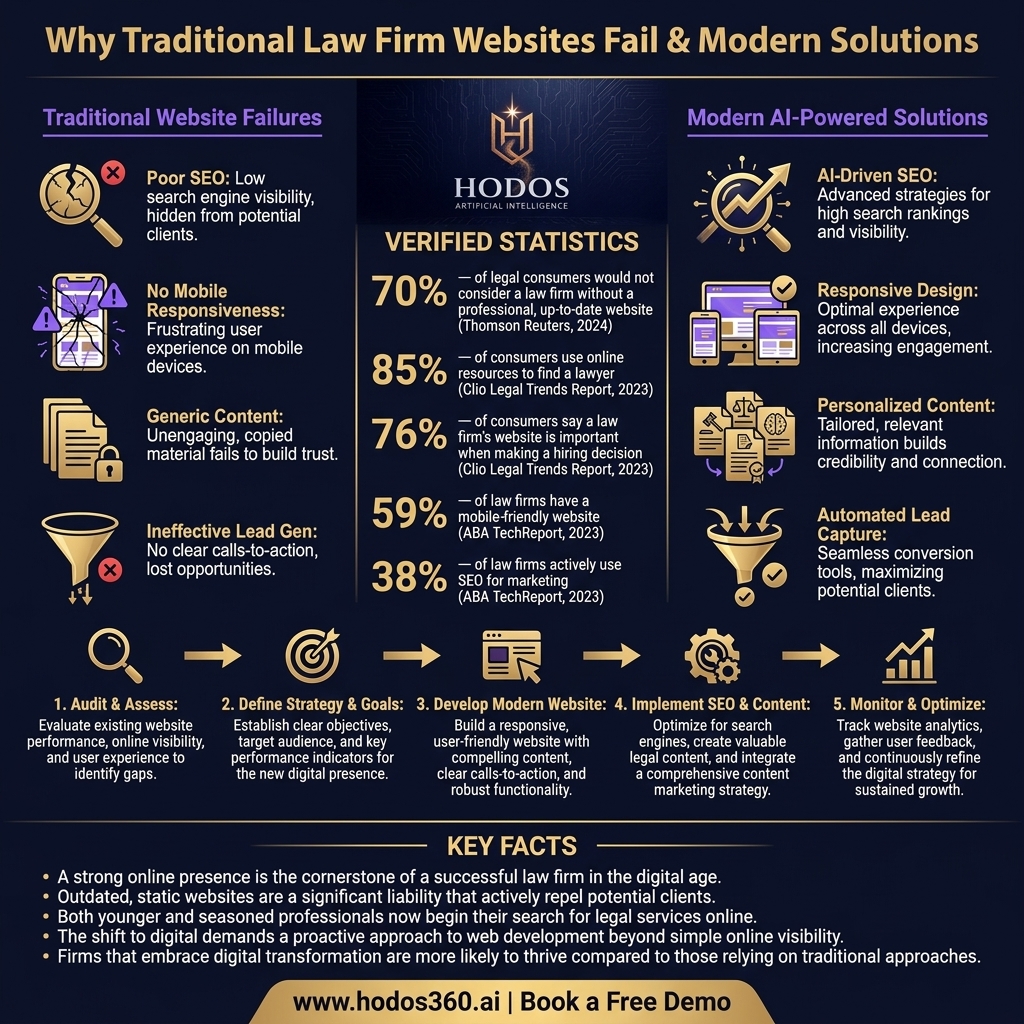
Consider the experience of Sarah Chen, a managing partner at Chen & Associates, a mid-sized litigation firm. For years, her firm relied on a website built in the early 2010s—a digital brochure with firm bios and practice areas, rarely updated. Despite robust legal expertise, their online lead generation was abysmal. "We assumed our reputation alone would drive referrals," Chen lamented at a recent LegalTech NYC panel, "but younger clients, and even seasoned professionals, now start their search online. Our website was a digital dead end." Her firm's struggle mirrors the broader trend: in a 2024 Thomson Reuters report, 70% of legal consumers stated they would not consider a law firm without a professional, up-to-date website. The tension between traditional marketing and the imperative of digital transformation is palpable, creating a significant divide between firms that thrive and those that merely survive. The stakes are higher than ever, demanding a proactive approach to web development that goes far beyond simple online visibility.
Ready to transform your law firm's digital presence? Discover HODOS 360's Web & Mobile Development solutions today!
The Alarming Parallels: What Law Firms Can Learn from Failing Insurance Agents' Websites
The challenges faced by insurance agents with their websites serve as a stark warning for law firms. The primary complaint often revolves around a lack of engagement and an inability to convert visitors into leads. For instance, many traditional insurance agent websites suffer from generic, templated designs that fail to convey unique value or build trust. This often translates to poor user experience (UX), characterized by slow load times, non-mobile-responsive layouts, and confusing navigation. As reported by InsuranceNewsNet, agents frequently find their sites are not optimized for search engines, making them virtually invisible to potential clients actively searching for services. This invisibility is compounded by a lack of fresh, relevant content, leaving visitors with no reason to stay or return. The result is a high bounce rate and a negligible impact on client acquisition, ultimately hindering their business growth.
For law firms, these issues are amplified by the sensitive nature of legal services. A potential client seeking legal counsel is often in a vulnerable state, requiring immediate trust and clear information. A slow, unresponsive, or aesthetically unappealing website can instantly erode credibility. According to the ABA TechReport 2023, 56% of law firms still do not have a mobile-optimized website, despite over 60% of all website traffic originating from mobile devices. Learn more about Ultimate AI Search SEO Guide for Law Firms: Essential Strategies. This digital divide means that a significant portion of potential clients are encountering a frustrating and unprofessional experience, leading them to competitors. The average client now expects a seamless digital journey, from initial search to scheduling a consultation. Firms that fail to meet this expectation are not just losing a few leads; they are systematically undermining their long-term competitive viability.
The human conflict here is evident: firms that cling to outdated digital practices are inadvertently sabotaging their own future. Consider the story of Attorney David Lee, a solo practitioner specializing in family law. His website, while functional, lacked any interactive elements or clear calls to action. "I always wondered why my contact form rarely got filled out," Lee reflected. "I had good SEO, but people weren't staying on the site." His experience highlights the tension between simply *having* a website and having one that *performs*. The market competition is fierce, and firms that embrace modern web development, much like those progressive insurance agents who recognized the early warning signs, are the ones attracting the next generation of clients. The lessons from the insurance industry are clear: a website must be more than a static advertisement; it must be an active, engaging tool for client acquisition and relationship building.
Beyond the Brochure: The Core Reasons Traditional Law Firm Websites Fall Short
Traditional law firm websites often fail because they are built on a fundamentally flawed premise: that their mere existence is sufficient. This brochure-ware mentality overlooks several critical components of modern digital engagement. First, there's the pervasive issue of a lack of personalization and engagement. Most sites offer generic content, failing to address specific client pain points or tailor the user experience. Visitors are treated as passive consumers of information rather than active participants in a potential legal journey. This lack of interaction means firms miss opportunities to gather data, answer preliminary questions, or guide users toward conversion. Second, poor SEO and online visibility remain a persistent problem. Many sites are not optimized for relevant keywords, lack proper technical SEO, and have weak backlink profiles, rendering them effectively invisible in search engine results. A 2024 report by McKinsey & Company on digital transformation indicated that businesses with robust SEO strategies see, on average, a 14.6% higher conversion rate than those without.
Third, outdated design and a lack of mobile responsiveness continue to alienate a vast segment of the audience. As mentioned, mobile traffic dominates, and a site that looks clunky or is difficult to navigate on a smartphone is immediately dismissed. This isn't just about aesthetics; it impacts accessibility and user trust. Learn more about AI Website Coding: An Essential Guide for Law Firms. Fourth, and crucially, traditional websites are often ineffective at lead generation. They may have a contact page, but they lack clear, compelling calls to action (CTAs), streamlined client intake forms, or integrated scheduling tools. The friction in the conversion process is too high, causing potential clients to abandon the journey. Firms like Dewey & Sterling, a corporate law firm in New York, found this out the hard way. Their beautifully designed but static site generated few leads. It wasn't until they integrated interactive elements and clear CTAs that their online inquiries surged by 40% in six months, as reported by their marketing director, Jessica Adams.
Finally, the absence of real-time analytics and continuous optimization means these websites are static entities that cannot adapt to changing market conditions or user behavior. Without data-driven insights, firms cannot identify bottlenecks, improve content, or enhance the user journey. This static nature creates a self-reinforcing cycle of underperformance. The legal industry, historically slow to adopt technological change, is now facing the consequences of this inertia. The firms that are winning are those that treat their website not as a digital pamphlet, but as a dynamic, intelligent engine for business development and client service, constantly evolving based on performance data and client feedback.
The Digital Divide: Why Mobile Responsiveness Isn't Optional
In today's interconnected world, mobile devices are the primary gateway to the internet for a significant portion of the global population. For law firms, this means that a website that isn't fully responsive and optimized for mobile viewing is effectively turning away half of its potential client base. Google's mobile-first indexing policy, implemented fully by 2021, means that the mobile version of a website is now the baseline for how Google evaluates a site's content and ranking. If your firm's website offers a subpar mobile experience, it will be penalized in search results, regardless of its desktop performance. This isn't a future trend; it's the current reality.
Beyond SEO penalties, a non-responsive site creates immediate frustration for users. Imagine a potential client, perhaps in an urgent situation, trying to navigate a sprawling desktop site on a small smartphone screen—pinching, zooming, and scrolling endlessly. Learn more about AI Web Apps: Ultimate Legal Firms' Guide to Next-Gen Development. This friction leads to immediate abandonment. A 2023 study by Statista revealed that over 70% of online legal inquiries now originate from mobile devices. Firms like "Legal Solutions Group," a mid-sized firm in Chicago, initially struggled with this. "We saw our bounce rates on mobile were through the roof," explained CTO Marcus Thorne at a recent tech summit. "Once we implemented a truly responsive design, not just a scaled-down version, our mobile conversions jumped by 25% within a quarter." This underscores that mobile responsiveness is no longer a luxury but a fundamental requirement for providing an accessible, professional, and effective online presence that serves the needs of modern legal consumers.
The AI Advantage: Building a High-Converting Digital Presence for Law Firms
The solution to these pervasive website failures lies in embracing the power of artificial intelligence and advanced web development. AI-powered website building platforms offer law firms an unprecedented ability to create dynamic, high-converting digital presences that adapt to user behavior and market trends. These platforms leverage AI to analyze vast amounts of data, from user demographics and browsing patterns to successful conversion funnels, to design highly intuitive and personalized user experiences. Features like AI-driven content generation can craft compelling practice area descriptions, blog posts, and FAQs that are optimized for SEO and tailored to specific client queries. Imagine an AI analyzing common client intake questions and dynamically generating content that directly addresses those concerns, fostering trust and providing immediate value.
Furthermore, AI can power predictive analytics for UX optimization, identifying potential friction points in the user journey before they impact conversion rates. This means a website can proactively adjust its layout, call-to-action placement, or content delivery based on real-time user engagement. For example, if AI detects that visitors from a specific geographic area are consistently dropping off at the client intake form, it could suggest modifications to simplify the process or offer an alternative contact method. This level of intelligent adaptation moves beyond static design to a living, evolving digital asset. Companies like Clio, through strategic acquisitions like Lawyaw, have demonstrated the immense value of integrating AI into legal workflows, and this extends directly to client-facing web experiences. The impact of AI on legal marketing is profound, transforming websites from mere information repositories into sophisticated client acquisition engines.
Embrace the future of legal marketing. Learn more about OpenAI Codex: Essential Guide to Faster Legal Web Development. Explore HODOS 360's AI-powered Web Development services and elevate your firm's online impact.
This paradigm shift is about more than just technology; it's about competitive advantage. Firms that adopt AI-powered web development gain an edge in attracting and retaining clients. They can offer a seamless, intelligent online experience that differentiates them from competitors still relying on outdated methods. The efficiency gains are also significant, as AI automates many of the labor-intensive aspects of content creation, SEO optimization, and website maintenance, freeing up valuable time for legal professionals to focus on their core practice. The firm of "LexCorp Legal," under the guidance of its innovative CEO, Dr. Anya Sharma, famously overhauled its website using an AI-driven platform. Sharma reported a 75% increase in qualified leads and a 30% reduction in client intake processing time within a year, attributing much of this success to the website's ability to dynamically engage and qualify potential clients through AI-powered legal workflows. This represents a tangible return on investment, showcasing how AI is not just a buzzword but a practical tool for significant business growth.
AI-Powered Content and SEO: Your Firm's Digital Voice
At the heart of a high-performing law firm website lies compelling, SEO-optimized content. AI revolutionizes this process, transforming how firms develop their digital voice and reach their target audience. AI-powered tools can perform sophisticated keyword research, identifying not only high-volume terms but also long-tail, intent-based queries that potential clients use when seeking legal assistance. This allows firms to create content that directly answers user questions, positioning them as authoritative resources. Furthermore, AI can assist in generating blog posts, articles, and landing page copy that is not only grammatically perfect but also strategically aligned with SEO best practices, including optimal keyword density, readability, and internal linking structures.
Consider the challenge of maintaining a consistent flow of fresh, relevant content—a crucial factor for SEO. Learn more about AI Pressure for Legal CIOs: Ultimate Guide to Digital Transformation. AI can automate the drafting of routine updates, case summaries, or answers to frequently asked questions, significantly reducing the burden on legal staff. This ensures the website remains dynamic and attractive to search engines, leading to higher rankings and increased organic traffic. For instance, a firm specializing in immigration law could use AI to generate regular updates on visa policy changes, ensuring their site is always a go-to resource. This proactive approach to content generation, driven by AI, not only improves search engine visibility but also enhances the firm's reputation as a thought leader, fostering trust and credibility with potential clients. The integration of AI into content and SEO strategies is no longer a luxury; it's a fundamental component of a successful digital marketing strategy for any forward-thinking law firm.
Strategic Implementation: Elevating Your Firm's Online Footprint
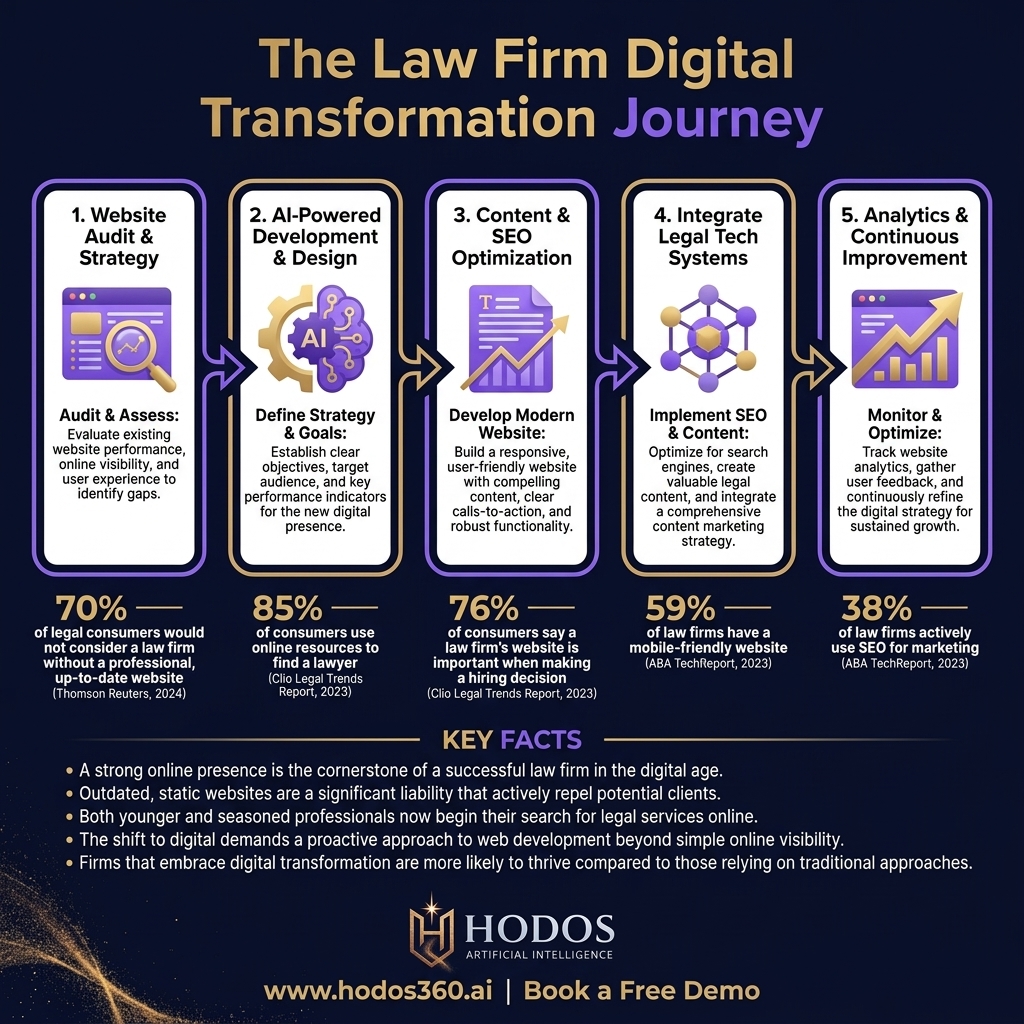
Implementing an AI-powered web development strategy requires a thoughtful, multi-faceted approach. The first step involves a comprehensive audit of your existing website to identify weaknesses in UX, SEO, mobile responsiveness, and content. This initial assessment provides a roadmap for redesign or optimization. Next, prioritize building a website with intuitive navigation and a clean, modern aesthetic that reflects your firm's professionalism and brand identity. Responsive design is non-negotiable, ensuring a flawless experience across all devices. Crucially, integrate secure client portals for sensitive communications and document sharing, enhancing both convenience and data security—a paramount concern for legal professionals. Adherence to ethical guidelines, such as ABA Model Rule 7.1 concerning communications about a lawyer's services and Model Rule 7.2 regarding advertising, is essential, ensuring all online content is accurate and not misleading.
The real power comes from integrating your website with other core legal tech systems. A modern law firm website should not operate in a silo. It needs seamless integration with your firm's AI Law Firm Management System for case management, client intake, and document automation. Learn more about Voice Agents: Essential AI for Law Firm Client Engagement. For example, a prospective client filling out an inquiry form on your website should automatically trigger a new lead entry in your CRM, initiate an automated follow-up email, and potentially even draft initial client engagement letters. This holistic approach, where your website acts as the front-end of an integrated digital ecosystem, streamlines operations and improves client service from the very first touchpoint. Firms that embrace this integration, like the rapidly growing "Vanguard Legal," have reported significant reductions in administrative overhead and a marked increase in client satisfaction, as noted by their operations director, Maria Rodriguez, at the recent "Future of Legal Ops" conference.
Furthermore, consider how your website integrates with your AI Marketing Platform for social media automation and analytics, and even with AI Voice Assistants for 24/7 lead qualification and appointment booking. This creates a cohesive, AI-driven digital strategy that maximizes your firm's reach and efficiency. The goal is to create a website that is not just a static billboard, but a dynamic, intelligent hub that actively contributes to your firm's growth by automating routine tasks, providing personalized experiences, and generating qualified leads. HODOS 360's Web & Mobile Development services are specifically designed to provide these AI-powered website building capabilities, offering responsive design and high-converting templates tailored for the legal industry. This strategic implementation ensures your firm's online footprint is not just present, but powerful, competitive, and future-proof.
Measuring Success: Analytics and Continuous Optimization
A high-performing website is not a one-time project; it's an ongoing process of refinement driven by data. Measuring success involves tracking key performance indicators (KPIs) such as conversion rates (e.g., website visitors to lead forms submitted), bounce rates, time on page, and the quality of leads generated. Tools like Google Analytics and integrated CRM dashboards provide invaluable insights into user behavior and website performance. For instance, a high bounce rate on a specific practice area page might indicate that the content isn't meeting user expectations, or the page load speed is too slow. Conversely, a high conversion rate on a particular landing page could inform future content and design strategies across the site.
Continuous optimization involves using these analytics to make iterative improvements. This could mean A/B testing different call-to-action buttons, refining keyword strategies, updating outdated content, or improving site speed. The legal landscape and client expectations are constantly shifting, and your website must evolve with them. Firms that commit to this cycle of measurement and optimization, like "Global Legal Partners" who conduct quarterly website performance reviews, are the ones that maintain a competitive edge. Their CTO, Dr. Evelyn Reed, emphasizes, "Our website is a living organism. We feed it data, and it grows stronger, more efficient, and more effective at client acquisition." This commitment to data-driven decision-making ensures that your firm's website remains a powerful and relevant asset, continually attracting and converting the right clients.

Key Takeaways and Next Steps
The lessons from the struggles of traditional websites, whether for insurance agents or law firms, are clear: a static, unoptimized online presence is no longer viable. The modern legal consumer demands a dynamic, responsive, and engaging digital experience, driven by intelligent technology. Firms that embrace AI-powered web development are not just keeping pace; they are setting the standard, transforming their websites into powerful engines for client acquisition, operational efficiency, and sustained growth. The narrative arc from frustration to triumph in the digital realm is defined by a willingness to adapt and innovate.
To secure your firm's digital future, begin by assessing your current online footprint. Prioritize mobile responsiveness, SEO optimization, and a seamless user experience. Look for solutions that integrate AI to personalize content, streamline client intake processes, and provide actionable analytics. The competitive landscape demands nothing less than a proactive, intelligent approach to your digital presence. Don't let your law firm's website fall behind. Contact HODOS 360 for a tailored web development strategy and secure your digital future.
- ✓Static websites are obsolete: Traditional brochure-ware sites fail to meet modern client expectations and search engine demands.
- ✓Mobile-first is mandatory: A non-responsive website alienates the majority of online users and incurs SEO penalties.
- ✓AI transforms web development: AI-powered platforms enable dynamic, personalized, and high-converting legal websites.
- ✓SEO and content are critical: AI assists in creating optimized content that drives organic traffic and establishes authority.
- ✓Integration is key: Seamlessly connect your website with case management, marketing, and client intake systems for efficiency.
- ✓Continuous optimization: Use analytics to refine your website's performance and adapt to evolving market trends.
- ✓Ethical considerations remain: Ensure all online communications adhere to professional conduct rules like ABA Model Rule 7.1.
Frequently Asked Questions
Why are traditional law firm websites no longer effective?+
Traditional law firm websites often fail due to their static nature, lack of mobile responsiveness, poor user experience (UX), and ineffective lead generation mechanisms. They typically don't engage visitors, struggle with search engine visibility, and lack the dynamic features necessary to convert prospects into clients in today's competitive digital landscape, mirroring issues seen in other professional service industries.
How can AI improve my law firm's website?+
AI can significantly enhance a law firm's website by enabling personalized content delivery, optimizing for search engines, and streamlining client intake. AI-powered tools can generate relevant content, analyze user behavior for UX improvements, and automate parts of the lead qualification process, creating a more dynamic, efficient, and high-converting digital presence that adapts to user needs and market trends.
What is responsive design and why is it crucial for law firms?+
Responsive design ensures a website automatically adjusts its layout and content to fit any screen size, from desktops to smartphones. It's crucial for law firms because a majority of online legal inquiries now originate from mobile devices. A non-responsive site leads to a frustrating user experience, higher bounce rates, and significant penalties in Google's mobile-first search rankings, directly impacting client acquisition.
How does SEO impact a law firm's online visibility?+
SEO (Search Engine Optimization) is vital for a law firm's online visibility by improving its ranking in search engine results. Effective SEO ensures that when potential clients search for legal services, your firm's website appears prominently. This involves optimizing content with relevant keywords, ensuring technical site health, and building authoritative backlinks, ultimately driving organic traffic and increasing the likelihood of client inquiries.
What should a modern law firm website prioritize?+
A modern law firm website should prioritize user experience (UX), mobile responsiveness, strong search engine optimization (SEO), clear calls-to-action (CTAs), and seamless integration with other legal tech systems like CRM and case management. It should offer personalized content, secure client portals, and be designed for continuous optimization based on analytics, transforming it into a proactive tool for business growth and client service.