

AI Native Apps: The Ultimate Guide for Law Firm Development
The legal technology landscape is undergoing a seismic shift, accelerated by a recent announcement from Microsoft that promises to redefine software development as we know it. In a move widely anticipated by developers and industry analysts, Microsoft is officially ending what many dubbed Windows 11's 'web app slop era.' This isn't merely a cosmetic update; it's a strategic pivot towards a future where artificial intelligence takes the reins, capable of writing robust, native applications in mere minutes. This revolutionary development, highlighted by publications like Windows Latest, signals a new dawn for custom software, particularly for sectors like legal services, which demand unparalleled performance, security, and integration.
For years, law firms have grappled with the limitations of generic, web-based tools or the exorbitant costs of custom development. The promise of AI native apps changes this paradigm entirely. Imagine a world where a specialized legal workflow tool, a client intake portal, or a sophisticated case management utility can be conceived and brought to life with unprecedented speed and precision, tailored exactly to a firm's unique needs. This isn't science fiction; it's the imminent reality. Law firm leaders, from managing partners like Joanna Smith at Catalyst Legal Group to CTOs overseeing digital transformation, are now evaluating how this capability will reshape their operational efficiency, client service delivery, and competitive advantage. The ability of AI to write native apps isn't just about faster coding; it's about democratizing sophisticated software creation, making bespoke solutions accessible and agile. This shift demands immediate attention from any firm serious about future-proofing its practice and leveraging cutting-edge technology. Discover how HODOS 360's Web & Mobile Development services can empower your firm to harness this new era of AI-driven app creation.
The Dawn of AI-Powered Native App Development
Microsoft's decisive move away from web-centric applications on Windows 11 marks a significant turning point. For too long, the user experience on the platform has been criticized for its reliance on less performant, often clunky, web-wrapped applications. This 'slop era' is now giving way to a renewed focus on native WinUI 3 apps, built from the ground up to leverage the full power of the Windows operating system. The game-changer, however, is the integration of advanced AI agents that can now 'write' these complex applications in as little as 30 minutes. This capability was a major talking point at Microsoft Build 2026, where CEO Satya Nadella emphasized the company's commitment to empowering developers with AI-first tools, echoing sentiments previously shared by OpenAI CEO Sam Altman about the transformative potential of large language models in coding.
This isn't just about speed; it's about intelligence. These AI agents, often leveraging sophisticated models akin to GPT-4 or specialized coding LLMs, can interpret high-level requirements and translate them into efficient, optimized code. Learn more about Legal AI Gap Widens: Strategic Imperative for Law Firms 2026. The implications for custom app development are staggering. Historically, building a native application for a law firm — say, a specialized document review tool or an internal knowledge management portal — required extensive time, resources, and a team of highly skilled developers. Now, the barrier to entry is dramatically lowered. Firms that once hesitated due to cost or complexity can now envision bespoke AI native apps that precisely fit their niche needs, from automating specific compliance checks to creating intuitive client self-service platforms. This rapid prototyping and deployment capability fundamentally alters the economic model of legal software, pushing innovation forward at an unprecedented pace.
The Microsoft Shift: A Catalyst for Change
Microsoft's strategic reorientation is a direct response to both market demands for superior performance and the exponential advancements in AI. The company's vision, articulated by President Brad Smith, is to make Windows a premier platform for AI innovation, where native experiences lead the way. This means a more fluid, responsive, and secure environment for applications, which is paramount for the legal sector. Firms currently relying on legacy systems or off-the-shelf software often face compromises in functionality, integration, or scalability. Learn more about AI Legal Tech: The Essential Guide to Funding and Growth. The ability to quickly generate tailored AI native apps using Microsoft's new tools provides an agile alternative, allowing firms to iterate and adapt their digital infrastructure much faster than ever before. This shift is not just about Microsoft fixing Windows; it's about setting a new industry standard for software creation that will ripple across all sectors, including legal. Data from a recent Gartner report suggests that by 2027, over 70% of new enterprise applications will incorporate AI-driven development tools, a stark increase from less than 10% in 2023, underscoring the urgency for legal professionals to adapt.
Beyond Web Apps: The Strategic Advantage for Law Firms
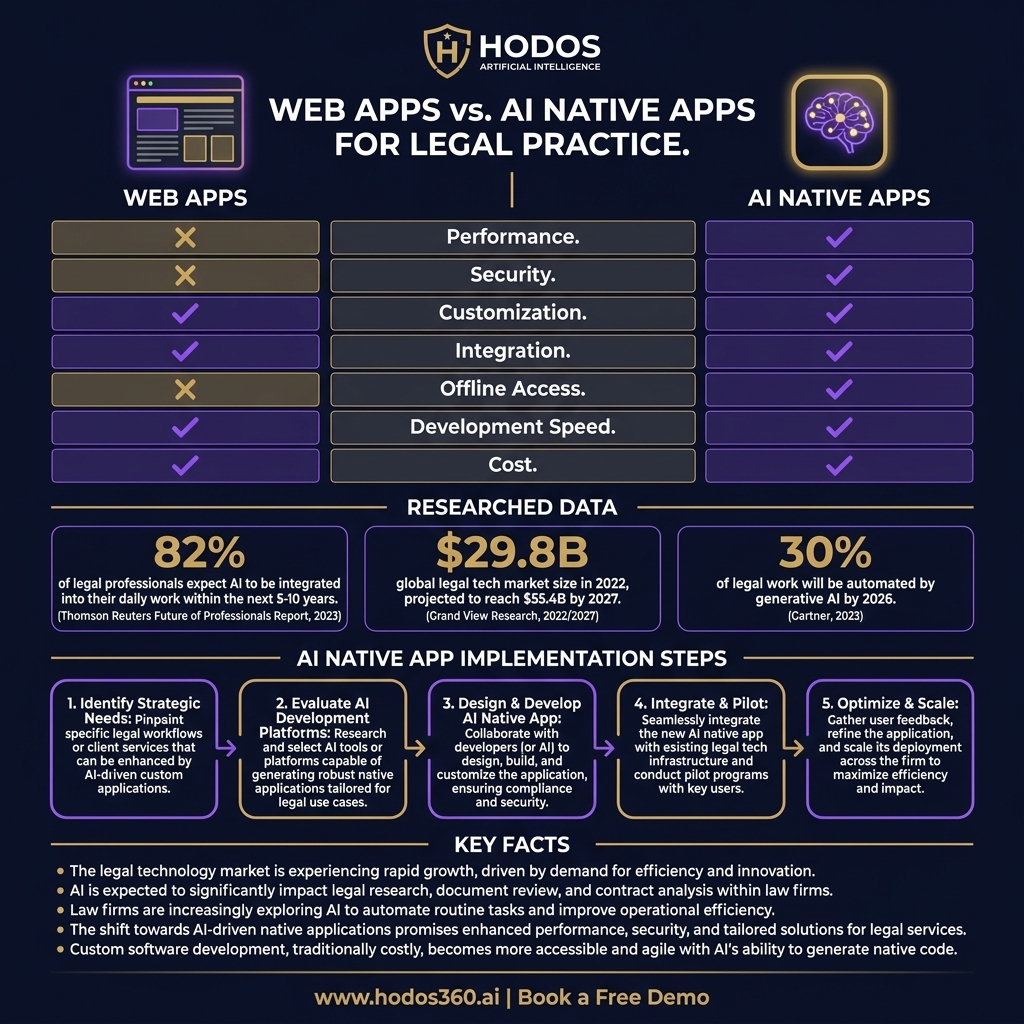
For law firms, the move to AI native apps offers a compelling strategic advantage over their web-based counterparts. Native applications generally deliver superior performance, faster load times, and a more seamless user experience because they are optimized for the specific operating system and hardware. This translates directly into increased productivity for attorneys and staff, who spend less time waiting for applications to respond and more time on high-value legal work. Furthermore, native apps often have deeper integration capabilities with other system features, such as local file storage, camera access, and system notifications, enabling richer and more powerful workflows. Imagine an AI native app that automatically syncs case files with a local drive, leverages device biometrics for secure access, and provides real-time, context-aware notifications about critical deadlines or client communications. This level of integration is difficult, if not impossible, to achieve with generic web applications.
Moreover, security is a paramount concern for law firms, given the sensitive nature of client data. Learn more about Legal AI Content: Essential for Modern Contract Workflows. Native applications can often offer enhanced security features, including stronger encryption, better sandboxing, and more robust access controls, as they operate directly within the operating system's security framework. This is crucial for compliance with regulations such as the ABA Model Rules of Professional Conduct, particularly Rule 1.6 on Confidentiality of Information, and various state data privacy statutes. While web applications have improved, the inherent architecture of native apps often provides a more secure foundation. The legal sector's rigorous demands for data integrity and client confidentiality make the shift to more secure, high-performing native applications not just an option, but an imperative for firms looking to mitigate risks and protect their clients' interests in an increasingly complex digital world. This move represents a significant step forward in fixing many of the current challenges in legal software.
Custom Solutions for Enhanced Legal Workflows
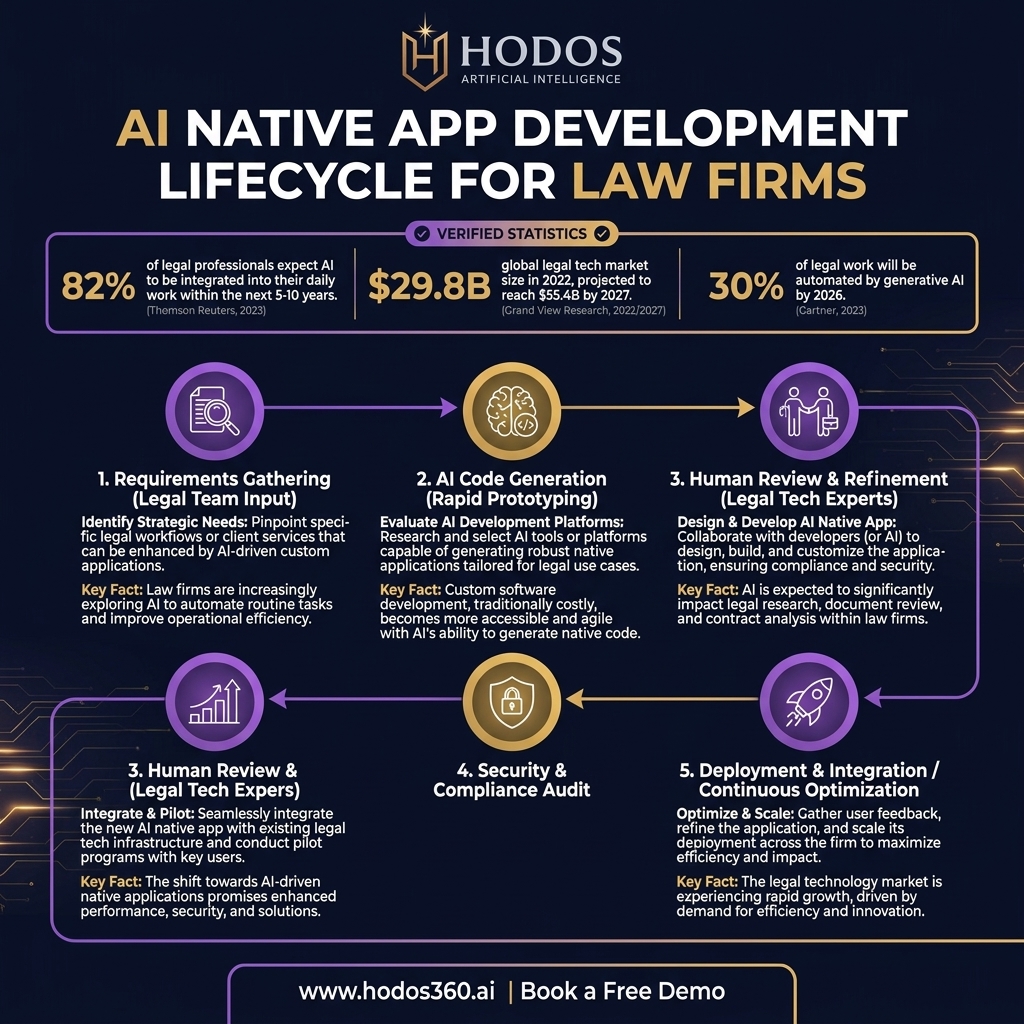
The true power of AI-driven native app development lies in its capacity for hyper-customization. Law firms are not monolithic; each has unique practice areas, client bases, and operational methodologies. Generic software often forces firms to adapt their workflows to the tool, rather than the other way around. With AI capable of writing native apps, firms can now design and deploy solutions perfectly aligned with their specific processes. Consider a firm specializing in intellectual property law: they could develop an AI native app that integrates patent search databases, automates infringement analysis using machine learning, and streamlines the filing process, all within a single, intuitive interface. Learn more about Claude AI for Legal: The Ultimate Guide to Contract Review. This level of bespoke functionality can dramatically reduce manual errors, accelerate case progression, and free up attorneys for more strategic tasks. This isn't just about efficiency; it's about competitive differentiation. Firms that can leverage AI to create superior, custom tools will undoubtedly attract and retain top talent and clients, establishing themselves as leaders in a rapidly evolving market. Explore how HODOS 360’s AI Law Firm Management System can integrate with custom native applications to optimize your firm’s operations.
- ✓Enhanced Performance: Native apps are faster and more responsive, directly impacting attorney productivity.
- ✓Deeper System Integration: Seamless interaction with OS features like notifications, file systems, and hardware for richer functionality.
- ✓Superior User Experience: Intuitive interfaces and smooth navigation reduce learning curves and improve adoption.
- ✓Robust Security: Leveraging OS-level security features for better data protection and compliance.
- ✓Offline Capabilities: Many native apps function effectively without a constant internet connection, crucial for mobile legal professionals.
- ✓Tailored Workflows: Custom-built applications perfectly align with a firm's unique legal processes and practice areas.
- ✓Competitive Edge: Differentiate your firm with bespoke tools that enhance efficiency and client service.
HODOS 360 and the Future of Legal Software
The advent of AI-powered native app development aligns perfectly with HODOS 360's vision for transformative legal technology. Our Web & Mobile Development services are designed to empower law firms to capitalize on these new capabilities. While Microsoft's tools enable AI to write the core code, the expertise of platforms like HODOS 360 becomes critical in translating complex legal requirements into actionable development plans, ensuring compliance, and integrating these new applications seamlessly into existing firm infrastructure. We specialize in building AI-powered websites and responsive designs, and this new era of native app creation amplifies our ability to deliver truly bespoke solutions. For instance, a firm could leverage HODOS 360 to develop an AI native app for a specialized legal research database, integrating natural language processing for query optimization and predictive analytics for case outcomes. This goes far beyond generic templates, delivering powerful, tailored tools.
Our approach focuses on user-centric design combined with cutting-edge AI integration. The goal is not just to build an app, but to create a digital asset that genuinely enhances a law firm's operations and client engagement. Learn more about AI Future: Essential Insights for Law Firm Innovation. This means meticulous planning, rigorous testing, and a deep understanding of legal ethics and regulatory frameworks. The collaboration between AI's rapid code generation and human legal tech expertise is where the true value lies. Law firms can leverage this synergy to develop custom AI native apps for tasks like automated document generation, AI-driven contract analysis, or sophisticated client communication platforms, all while ensuring compliance with legal standards and firm-specific protocols. This fusion of AI's speed and human oversight ensures that the resulting applications are not only technically sound but also legally compliant and strategically effective. This revolutionary capability is a significant step in the ongoing evolution of legal technology.
Data Privacy and Compliance in AI Development
As law firms embrace AI native apps, the imperative for robust data privacy and compliance measures intensifies. The very nature of legal work involves handling highly sensitive and confidential information, making adherence to regulations like GDPR, CCPA, and the aforementioned ABA Model Rules non-negotiable. When AI agents are writing code, firms must ensure that the underlying models and the resulting applications are designed with privacy-by-design principles. This includes implementing strong data encryption, access controls, and auditing capabilities. Firms must also consider the provenance of the data used to train the AI models that generate their apps, ensuring no proprietary or confidential information is inadvertently exposed or misused. Learn more about Ultimate AI Agent Assist: Elevating Legal Client Experience. The ethical guidelines for AI development, as increasingly discussed at forums like LegalTech NYC, emphasize transparency, fairness, and accountability. Firms must work with development partners who understand these nuances and can implement safeguards to protect client data and maintain professional obligations. This ensures that while leveraging AI to build native apps, firms do not inadvertently create new vectors for data breaches or ethical dilemmas, reinforcing client trust and upholding the integrity of the legal profession.
Navigating the Ethical and Security Landscape of AI Apps
The rapid advancement in AI's ability to write native apps introduces a new layer of ethical and security considerations for law firms. While the efficiency gains are undeniable, firms must exercise due diligence in adopting and deploying these AI-generated solutions. One critical area is the potential for 'hallucinations' or subtle biases within the AI-generated code. Just as large language models can generate inaccurate text, AI coding agents might introduce vulnerabilities or logical errors that are difficult for human developers to detect without comprehensive review. This necessitates a robust quality assurance process, combining automated testing with expert human oversight, particularly for applications handling sensitive legal data or critical workflows. Firms should also consider the provenance and security of the AI agents themselves, ensuring they are operating in secure environments and are not susceptible to supply chain attacks. The legal implications of errors or biases in AI-generated code, especially in applications used for client matters, are significant, potentially leading to professional liability issues under ABA Model Rule 1.1 Competence, which requires lawyers to keep abreast of changes in the law and its practice, including the benefits and risks associated with relevant technology. This underscores the need for continuous vigilance and expertise in both AI and legal technology.
Furthermore, the speed at which AI can generate applications means that security and compliance checks cannot be an afterthought. Integrating automated security testing (SAST/DAST) into the development pipeline is crucial. Firms must establish clear protocols for vetting AI-generated code, perhaps even requiring independent security audits for mission-critical applications. The legal industry, often a target for cyberattacks due to the valuable data it holds, cannot afford to compromise on security for the sake of speed. This balance is delicate and requires a proactive approach, including investing in cybersecurity training for staff and partnering with legal tech providers who prioritize security from the ground up. The challenges are not insurmountable, but they demand a sophisticated understanding of both technological capabilities and legal responsibilities. The future of legal innovation hinges on firms' ability to responsibly harness AI's power while safeguarding their ethical obligations and client trust.

Key Takeaways and Next Steps
Microsoft's pivot to empowering AI to write native apps signals a transformative moment for the legal industry. The 'web app slop era' is ending, replaced by an opportunity for law firms to build high-performance, secure, and hyper-customized applications with unprecedented speed. This isn't just about adopting new tools; it's about fundamentally rethinking how legal software is conceived, developed, and deployed. Firms that embrace this shift will gain a significant competitive edge, enhancing operational efficiency, improving client satisfaction, and fostering innovation within their practice. The ability to create bespoke solutions, from advanced case management systems to intelligent client portals, will redefine what's possible in legal service delivery. The era of generic, one-size-fits-all software is fading, making way for a future where legal tech is as unique and specialized as the firms it serves.
For forward-thinking law firms, the next step is clear: explore how these AI native apps can be integrated into your existing technology stack. Evaluate your current workflows and identify areas where custom solutions can drive significant improvements. Partner with legal technology experts who understand both the technical nuances of AI development and the specific regulatory and ethical requirements of the legal profession. This strategic investment in bespoke, AI-powered native applications will not only future-proof your firm but also position you as a leader in a rapidly evolving legal landscape. The future of legal technology is here, and it's custom-built, AI-driven, and native to your needs.
Frequently Asked Questions
What does 'ending Windows 11's web app slop era' mean for law firms?+
It signifies a shift by Microsoft to prioritize native applications over web-wrapped apps on Windows 11. For law firms, this means access to more performant, secure, and deeply integrated software solutions. Instead of generic web tools, firms can leverage AI to create bespoke, high-quality native apps tailored to their specific legal workflows, improving efficiency and client service.
How can AI write native apps in 30 minutes, and what does this imply for legal tech?+
Advanced AI agents, using sophisticated language models, can interpret high-level development requirements and generate native application code rapidly. For legal tech, this dramatically reduces development time and cost for custom software. Law firms can now quickly prototype and deploy specialized tools for case management, client intake, or document automation, making bespoke solutions more accessible than ever before.
What are the key advantages of AI native apps over traditional web applications for legal practices?+
AI native apps offer superior performance, deeper integration with the operating system (e.g., file systems, notifications), enhanced security features, and offline capabilities. This translates to increased attorney productivity, more robust data protection, and a highly customized user experience that precisely fits a firm's unique legal processes, unlike the limitations of generic web applications.
What ethical and security considerations should law firms be aware of when using AI to build apps?+
Firms must ensure AI-generated code is free from biases or vulnerabilities, requiring rigorous quality assurance and human oversight. Data privacy-by-design principles are crucial to comply with regulations like GDPR and ABA Model Rule 1.6. Secure development environments and independent security audits are essential to protect sensitive client information and uphold professional obligations, given the legal sector's high-stakes data.
How can HODOS 360 assist law firms in leveraging AI for native app development?+
HODOS 360's Web & Mobile Development services combine AI's rapid code generation with deep legal tech expertise. We help firms translate legal requirements into actionable development plans, ensuring custom AI native apps are compliant, secure, and seamlessly integrated into existing infrastructure. This allows firms to develop tailored solutions for complex legal workflows, enhancing efficiency and client engagement.